
The BBC may have struck what it described as a landmark YouTube deal this year but it sees little commercial opportunity on the Google-owned behemoth.
In its charter review consultation response today, the corporation said “we do not envisage a major commercial upside” to making more YouTube-first shows “due to the limited revenues on offer from video sharing platforms.”
“YouTube economics are challenging for broadcasters to make a positive return on premium content – advertising pricing is significantly lower than linear and Broadcaster-Video-On-Demand,” said today’s 100-page document. “Fewer adverts are served, and the platform takes a large share of the revenue. This means that broadcasters can expect to earn much less for every hour of content viewed on a video sharing platform than on their own VoD service.”
Along with the other broadcasters, the BBC has been flooding YouTube with more and more content of late, acknowledging that this is now where young people are watching TV. A statistic last year found that YouTube is the second most-watched platform in the UK, followed by the BBC but ahead of the likes of Netflix and ITV. The BBC said today there is a “strategic imperative” to reach audiences on platforms like YouTube.
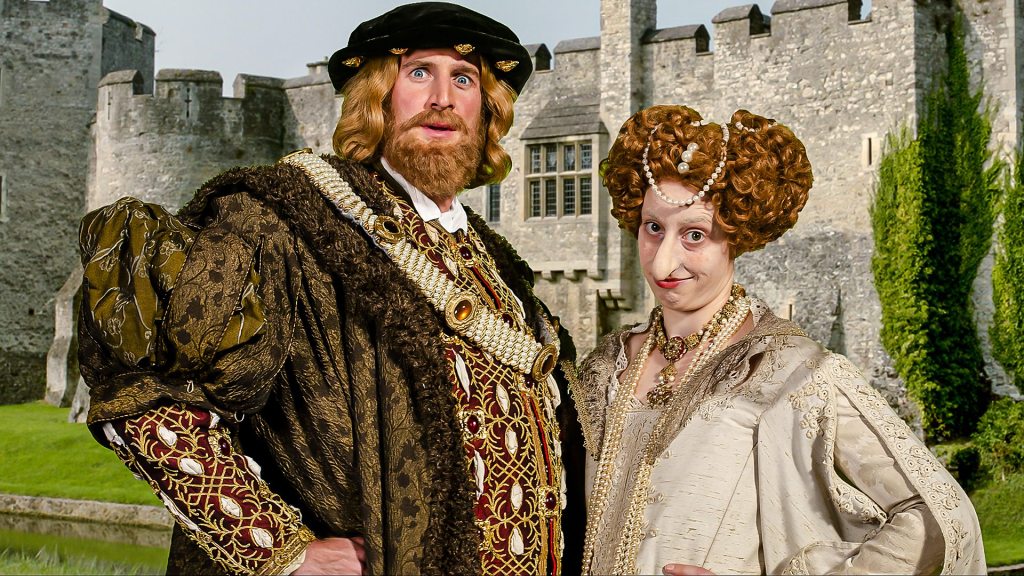
As part of the YouTube deal, the BBC has earmarked pots of money from across its TV and news divisions that will be used to fund “YouTube-first” shows. Questioned several weeks back, the BBC declined to disclose the funding committed to YouTube originals. Under the agreement, the BBC will grow its number of YouTube channels to 50, which includes those operated by commercial arm, BBC Studios. New specialist channels will include BBC3’s Deepwatch (working title), featuring new and existing documentaries. Seven children’s channels will be launched, including The Epic Facts channel, which will bring together content from BBC series including Horrible Histories and Deadly 60.
Today’s charter renewal document stressed once again that the BBC needs to find commercially innovative methods of funding. It also suggested BBC iPlayer could host rival broadcasters for the first time and set out a future funding vision that raised the possibility of forcing people who only watch streamers like Netflix to pay the license fee.