
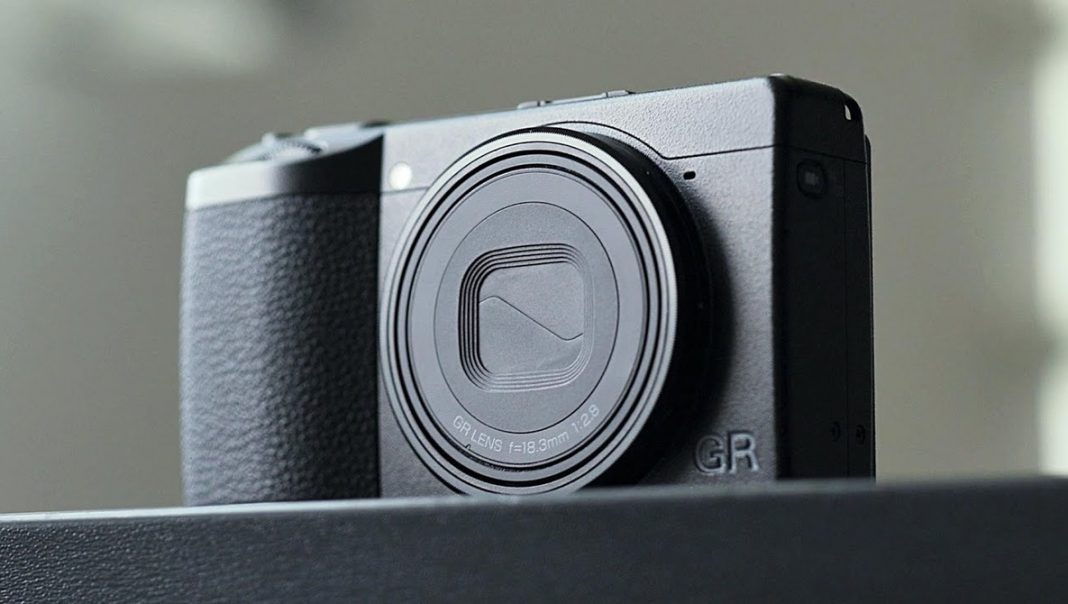

Pocket cameras live or die on speed, handling, and whether they earn a place in your daily routine. The Ricoh GR IV sits right in that pressure zone, where small design choices and real-world behavior matter more than headline specs.
Coming to you from Samuel Lintaro, this reflective video focuses on the Ricoh GR IV digital camera after roughly 5,000 frames of everyday use. The emphasis is not on lab charts or launch hype, but on how the camera behaves when pulled from a pocket in bad weather, tight spaces, and unpredictable moments. Lintaro spends time on startup speed, button feel, and how the camera responds when used one-handed or under pressure. That perspective matters if you rely on instinct more than menus.
One of the more interesting points is the initial disappointment with the spec sheet, followed by a shift in opinion once the camera is actually used. Resolution barely moves compared to the previous model, but responsiveness improves across the board. Smaller files mean faster writing, quicker power cycles, and less friction when shooting rapidly. The camera turns on fast enough that moments are not missed while waiting on electronics. That tradeoff favors usability over bragging rights, which is a choice that affects every frame you take.
Key Specs
25.74 megapixel APS-C CMOS sensor
Sensor-shift, 5-axis image stabilization
18.3mm f/2.8 lens (28mm equivalent)
ISO 100 to 204,800
14-bit DNG and JPEG capture
H.264 1080p video up to 59.94 fps
Fixed 3″ touchscreen LCD
Wi-Fi 6 and Bluetooth 5.3
microSD / microSDHC / microSDXC (UHS-I) slot
53 GB internal storage
Approx. 250 shots per charge
8.0 oz body-only weight
Handling changes take up a meaningful part of the discussion. The body is slightly slimmer, which sounds trivial until you feel it in a pocket all day. Dials are firmer and more deliberate, avoiding the mushy response that developed on earlier versions over time. The rear wheel redesign forces a short adjustment period, especially if you changed exposure by feel, but the new plus-minus rocker opens up faster manual control without menu diving. Manual mode becomes practical instead of theoretical, particularly when using flash.
Image quality improvements are subtle but consistent. Corner sharpness at f/2.8 is better, especially noticeable when your subject sits off-center. High ISO files show less noise and cleaner color behavior when lifting shadows. There is also a visible glow in highlights, likely intentional, which gives images a softer rolloff rather than a harsh edge. You may like it immediately or warm up to it later, but it is part of the camera’s look rather than a defect.
Stabilization plays a larger role than expected. Handheld shots at slower shutter speeds become routine, expanding where and when you can shoot without pushing ISO. Autofocus is quicker and more reliable in low light as long as some contrast exists in the frame. It still does not behave like a large mirrorless system, but it helps you get shots that would have been missed before. Battery life also stretches further than prior models. Check out the video above for the full rundown from Lintaro.