


Daily Newsletter
How can art institutions reject corrupt funding, the Washington Post lays off its art critic, art books to read this month, and our weekly community columns.

We knew everything we needed to know about the art world before the Epstein Files dropped. Before heinous allegations against Museum of Modern Art trustee Leon Black emerged, or School of Visual Arts chair David A. Ross’s sympathetic endorsement of Epstein came out, we knew about the intimate connections between institutional heads and donors and trustees. The exchanges of money, donations, or favors that bind them.
So what do we do about it? In an opinion piece today, Editor-at-Large Hrag Vartanian asks a crucial question: How do we empower arts leaders to reject funding from corrupt individuals in favor of civic leaders we can be proud of?
We’re living in a world where — speaking of evil billionaires — the Jeff Bezos-owned Washington Post just laid off 300 people, including its Pulitzer Prize-winning art critic Sebastian Smee. But Vartanian’s piece refuses pessimism — the old and defeated adage that the system has always and therefore will always be this way. Democracy dies in darkness, as the tagline of a once-venerated newspaper goes. Let’s make our way into the light.
—Lisa Yin Zhang, associate editor
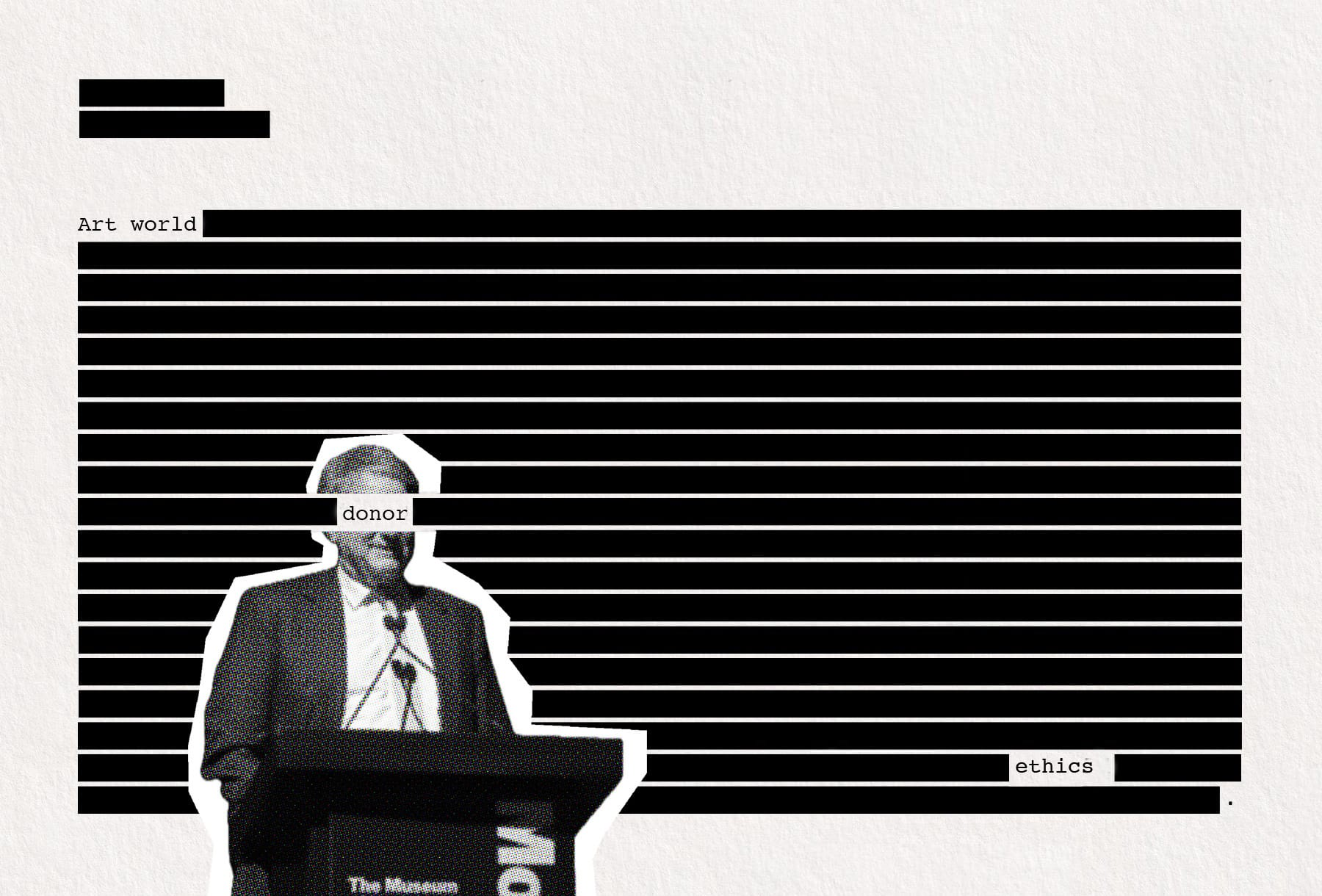
Epstein Files Expose the Depths of the Art World’s Rot
“The culture that Jeffrey Epstein represents is deeply embedded in the art establishment power structures that force themselves onto the rest of us, creating dynamics that exploit, degrade, and turn us all into cynics,” Editor-at-Large Hrag Vartanian writes. He asks all of us in the art world to return to that fundamental question: Who are we making art for? What are we willing to give up?
News
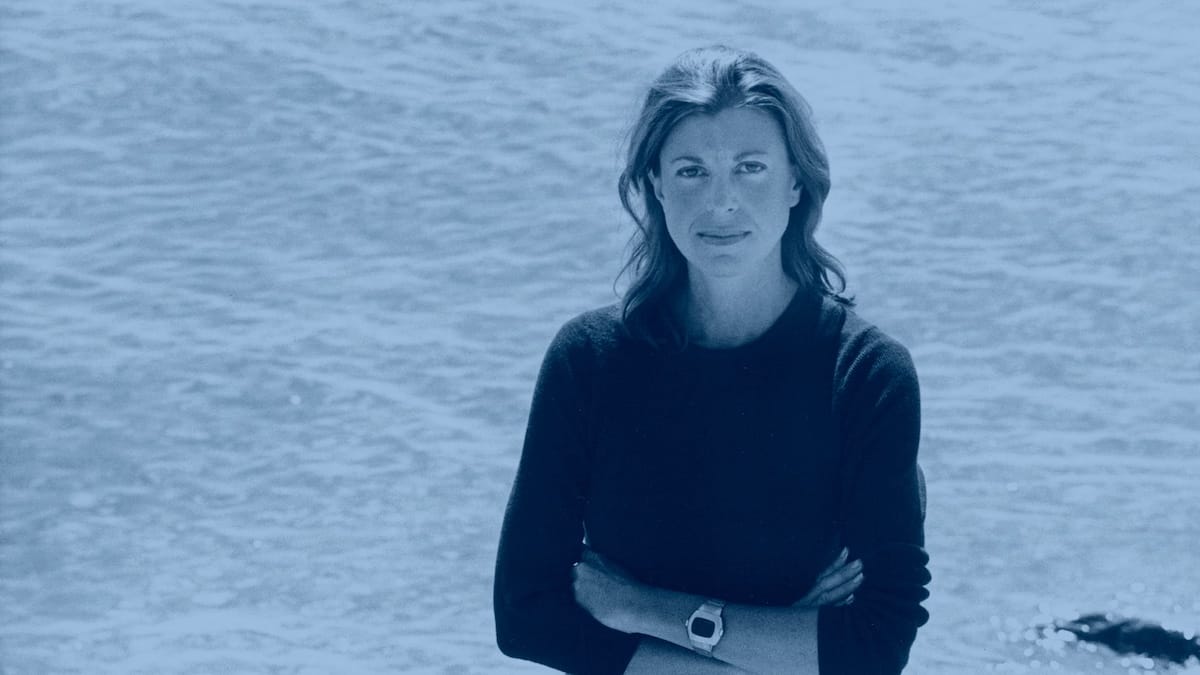
Frankenthaler Climate Initiative Opens Applications for Sixth Grant Cycle
The program has awarded more than $17.5 million to US visual arts organizations pursuing energy efficiency assessments and projects.
Learn more
Books Guide
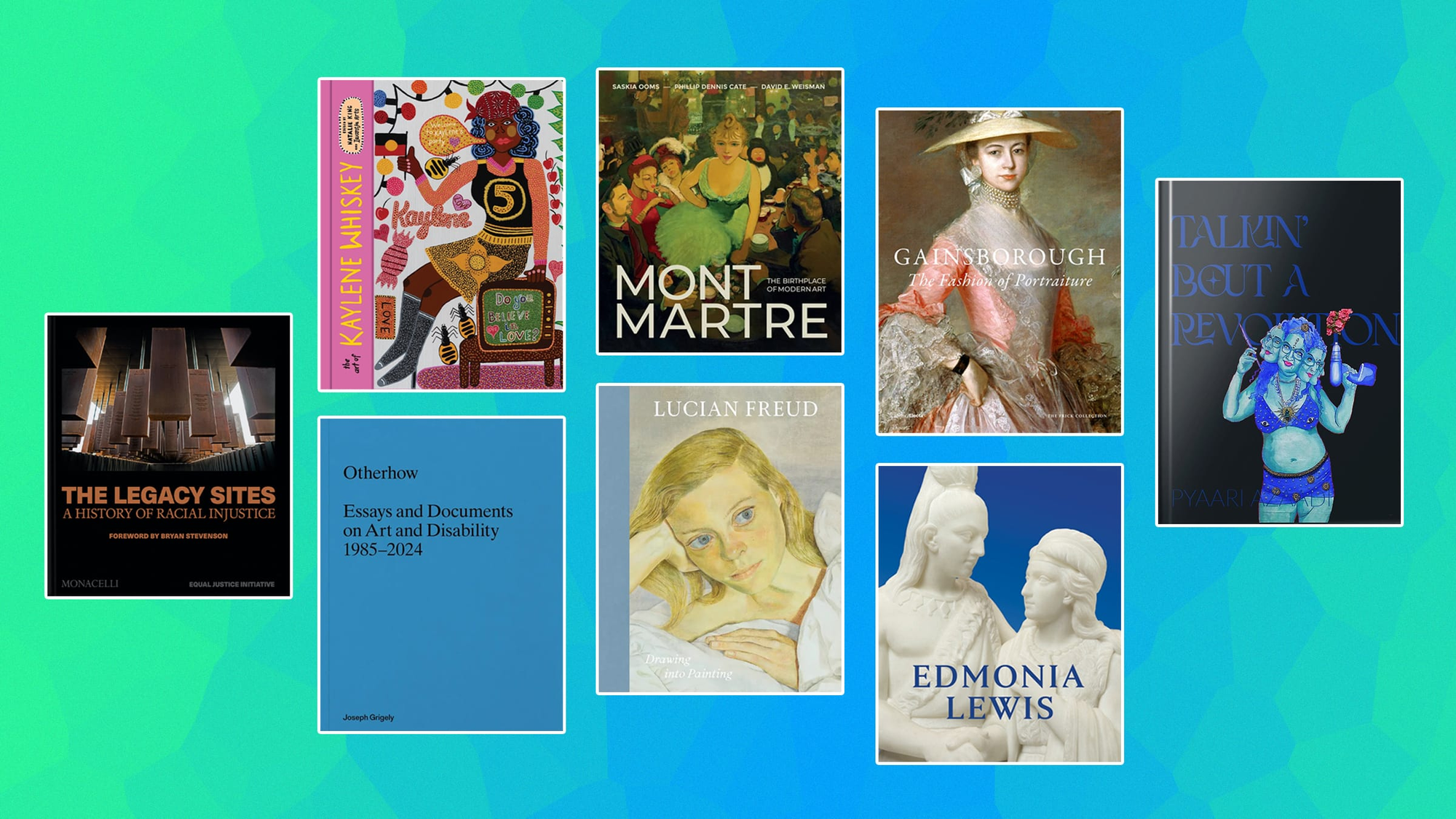
8 Art Books to Read This February
Recommendations from our editors this month include a history of the Parisian artist hub of Montmartre, a colorful monograph by Yankunytjatjara artist Kaylene Whiskey, and Joseph Grigley’s poignant book about how his loss of hearing inflected his creative life.

A View From the Easel
This week, Pitseolak Qimirpik makes graphic art and carvings (and watches beautiful sunsets, apparently) from their snow-bound studio in Kinngait, Canada, and Pau Tiu and Felize Camille Tolentino-Tiu share a cozy (actually cozy, not realtor-speak “cozy”) studio in Queens. Yours could be next!
Required Reading
The politics of love letters, the blossoming of Black-owned bookstores, and a spoof of Melania Trump’s new movie are just some of the gems from Associate Editor Lakshmi River Amin’s weekly round-up of must-reads from around the internet.
Art Movements
In this week’s edition of Senior Editor Valentina Di Liscia’s round-up of must-know industry news, British curator Ekow Eshun will curate the 13th SITE SANTA FE International Biennial, Mnuchin Gallery shutters, the Warhol Foundation expands its grant program, and Michelangelo’s foot drawing sells at Christie’s.
Joel Becktell on Julia Curl’s “Eugène Atget, Readymade Icon”:
That is some excellent writing. I feel informed and educated about an artist I already appreciate, and entertained by the deft translation of the writer’s experience and knowledge into personal but helpful criticism. That’s good enough, as far as it goes, but maybe best of all, the freshness and the skillful combination of the writer’s expertise and strong-but-flexible viewpoint will inspire me to better viewing at other exhibitions in the future. Congratulations, and thanks.
From the Archive
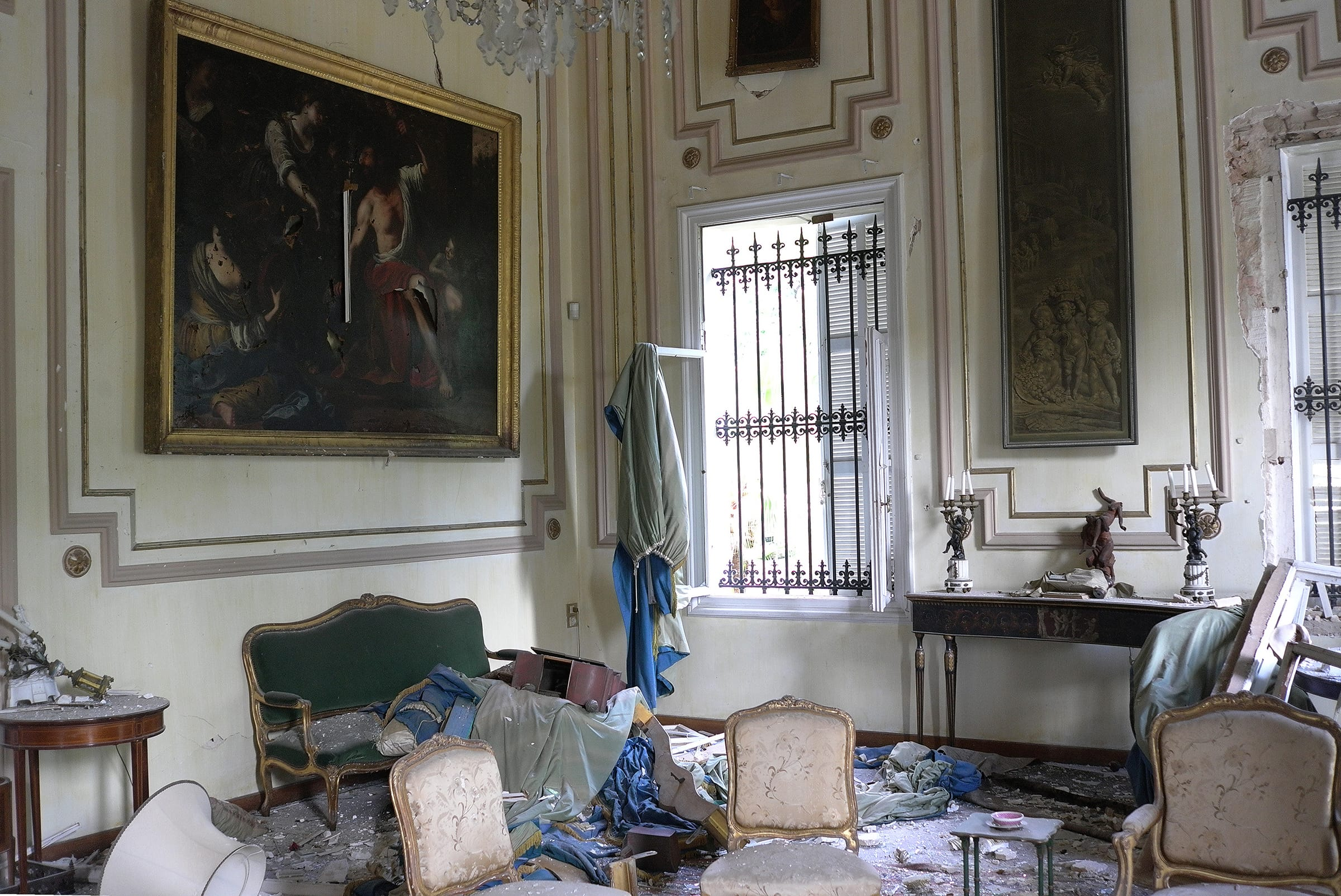
Art Historian May Have Discovered Two Artemisia Gentileschi Paintings in Beirut
After Gregory Buchakjian’s discovery laid largely dormat for decades, his research has been renewed and well-received by scholars of the Baroque artist. | Hrag Vartanian