
In National Geographic‘s latest documentary, “Ghost Elephants,” acclaimed director Werner Herzog follows National Geographic Explorer and conservation biologist, Dr. Steve Boyes, on the latest chapter of his decade-long journey into the forest highlands of Angola to find near-mythical “ghost elephants.”
Spoiler Warning: This story discusses key moments from the National Geographic documentary, “Ghost Elephants,” directed by Werner Herzog. The documentary premieres on March 7.
Joined by a trio of KhoiSan master trackers from Southern Africa, Xui, Xui Dawid, and Kobus, Boyes and fellow National Geographic Explorer Kerllen Costa make a long, dangerous trek from southern Africa to Angola, seeing echoes of its war-torn past along the way, including old abandoned tanks and scarred lands.
Some of the most notable evidence of Angola’s horrific, 26-year civil war (1975-2002) is the ghost elephants themselves, or, rather, their elusiveness. The Angolan Civil War was not just deadly for Angola’s people — it is estimated that the war took 800,000 lives directly and uprooted four million more — it was deadly for Angola’s diverse wildlife. As National Geographic reports, it was estimated in the 1980s that as many as 100,000 elephants had already been slaughtered for their ivory to help fund war efforts. By 2015, an expansive survey found just 4,000 elephants left in southeast Angola.
All animals deserve respect, protection, and the ability to live a natural life. However, even still, elephants are a particularly special animal. The Angolan Civil War affected them, too. Beyond the death and destruction, elephants are sensitive to danger and stress. They are smart animals, and their reputation for steel-trap memories is well earned. People did horrible things to elephants during the Angolan Civil War, and the elephants that remain in southeast Angola have not forgotten.
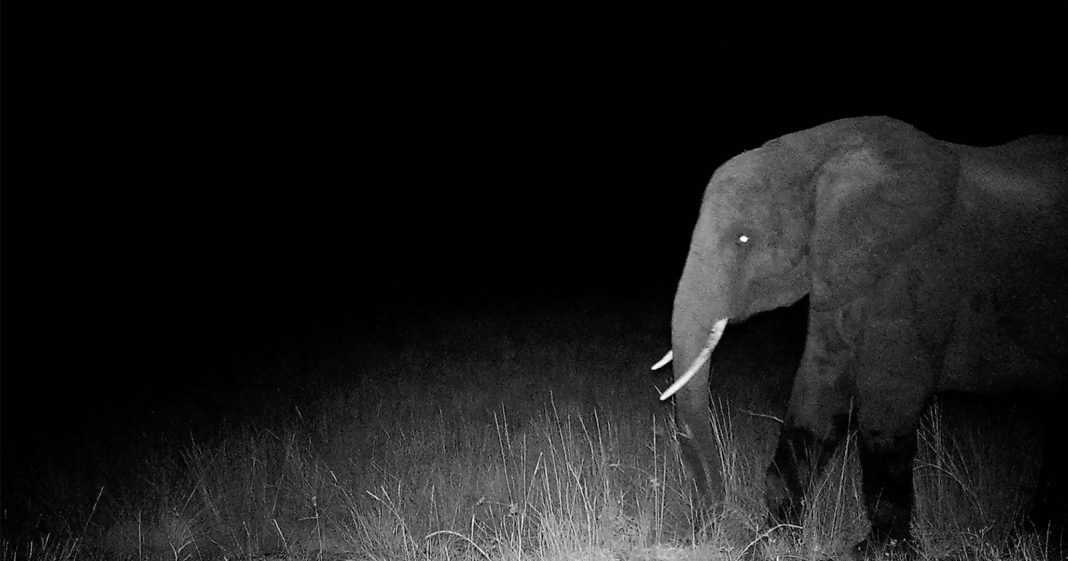
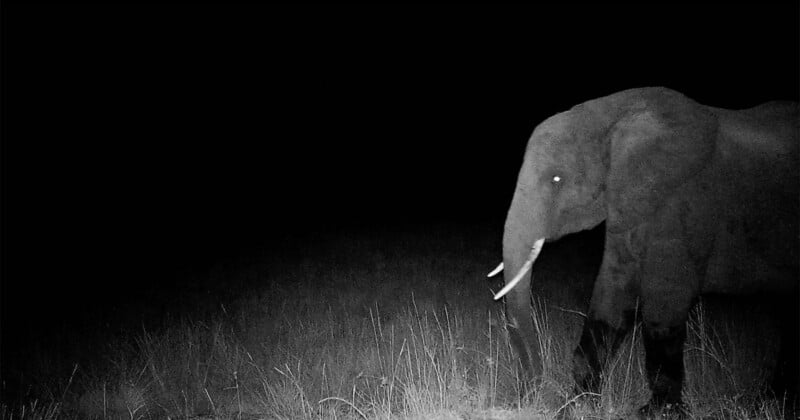
Retreating to remote, sparsely populated forest highlands, the ghost elephants Boyes has been searching for since Angola reopened after the war are extremely difficult to find. Boyes has been there many times, never before getting a firsthand glimpse of a ghost elephant, but getting a bit closer each time. Fresher dung, fresher tracks, more evidence that he had just missed an elephant, trailing it by hours, or sometimes, minutes.
These so-called ghost elephants have every right to be cagey, but Boyes believes it is crucial to rebuild the trust between people and pachyderm. As the documentary shows, the history and cultural stories of people and elephants are closely intertwined among numerous tribes in Africa. Some of them, like the Luchazi people, trace their origins back directly to elephants. The connection between human and elephant is sacred — it matters deeply.
For Boyes, a seasoned conservation biologist, the ghost elephants are particularly interesting. He has long believed that these elephants are special, different from the rest. Living at an elevation of 4,000 feet, the Angolan highlands are not a typical habitat for elephants. The elephants mostly move at night or in twilight, which Boyes thinks is because of the generations of violence they have experienced. And perhaps most exciting of all, the ghost elephants are huge. Boyes has long believed the ghost elephants in Angola are direct descendants of the largest land mammal ever recorded: “Henry,” a 12-ton, 14-foot-tall African Elephant specimen that was hunted by a Hungarian game hunter in Angola in the 1950s.
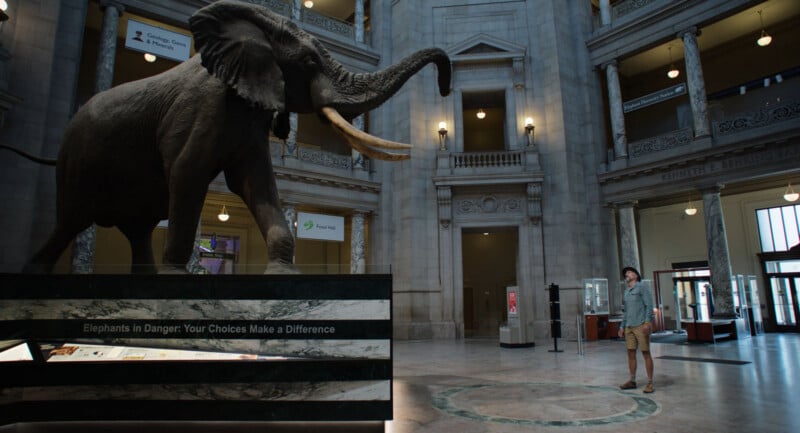
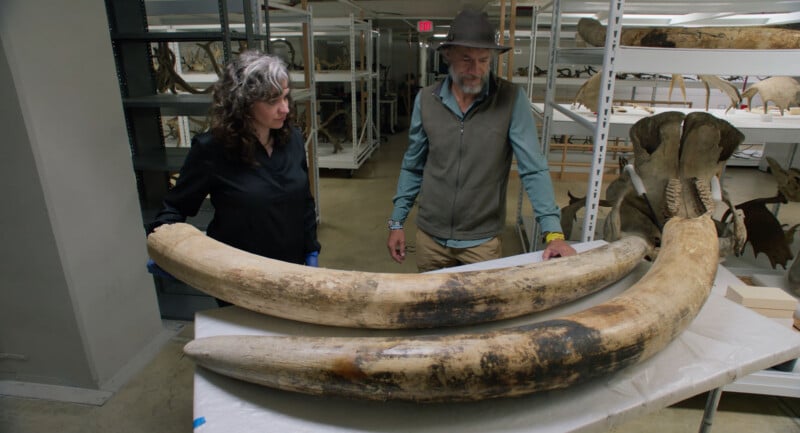
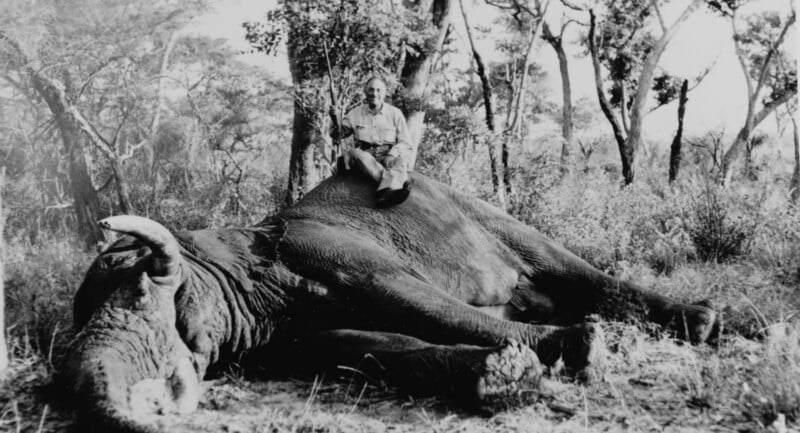
Boyes’ determination to not only finally observe these ghost elephants but also to explore their potential connection to Henry is on full display in Herzog’s “Ghost Elephants.”
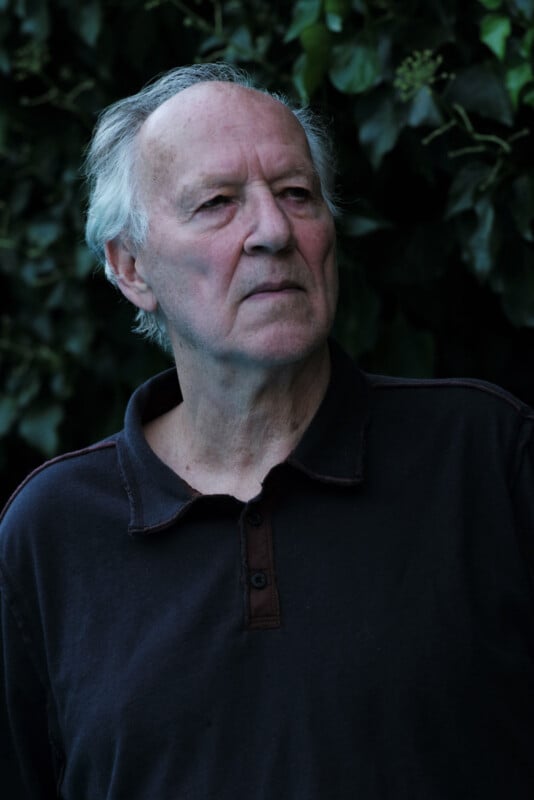
It can, at times, feel as though Boyes, Xui, Xui Dawid, and Kobus will never find what they are looking for. But it’s not like these elephants don’t exist; the evidence is right there. Footprints, dung, and little hairs stuck in the bark of trees. These are all carefully collected so that the samples can undergo extensive genetic testing in the United States. There are elephants, that much has been clear to Boyes for years, even if some people doubted him.
But Boyes had never seen them with his own eyes, something that he wasn’t ever that bothered by. Boyes cares deeply about the elephants and has dedicated much of his life to studying them, but seems to have zero belief that he is entitled to anything or that he deserves to finally lay his own eyes on the animals he’s been following for years.
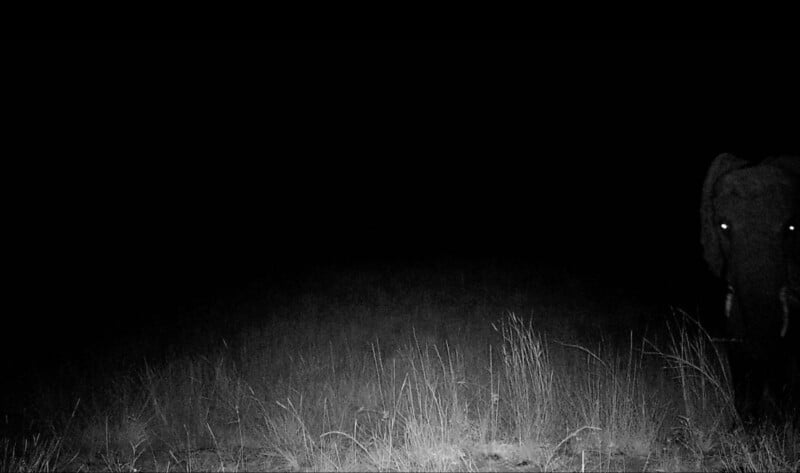
But then, when out searching with Xui, there it was. Finally. An enormous ghost elephant, just off in the distance. Boyes quickly got his phone out and captured some rather impressive footage, which Nat Geo unfortunately did not supply for press. Xui tried to extract a tissue sample with an expert arrow — this would not have harmed the elephant — but it deflected. Then the elephant took off. They tracked it for hours, but never caught up to it again before calling it quits.
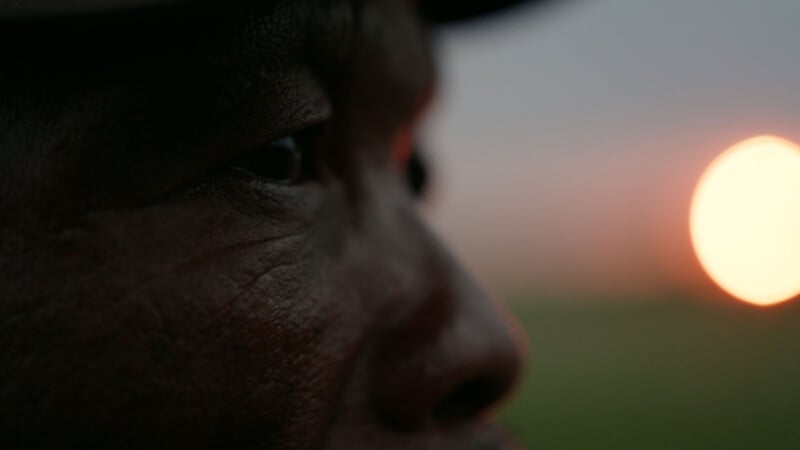
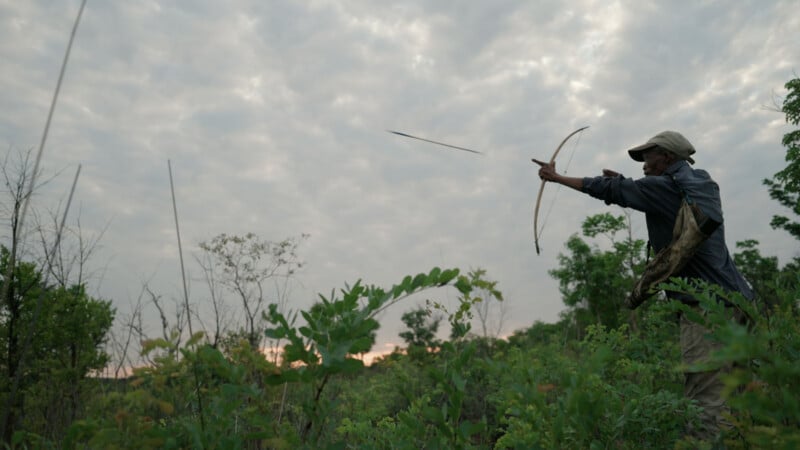
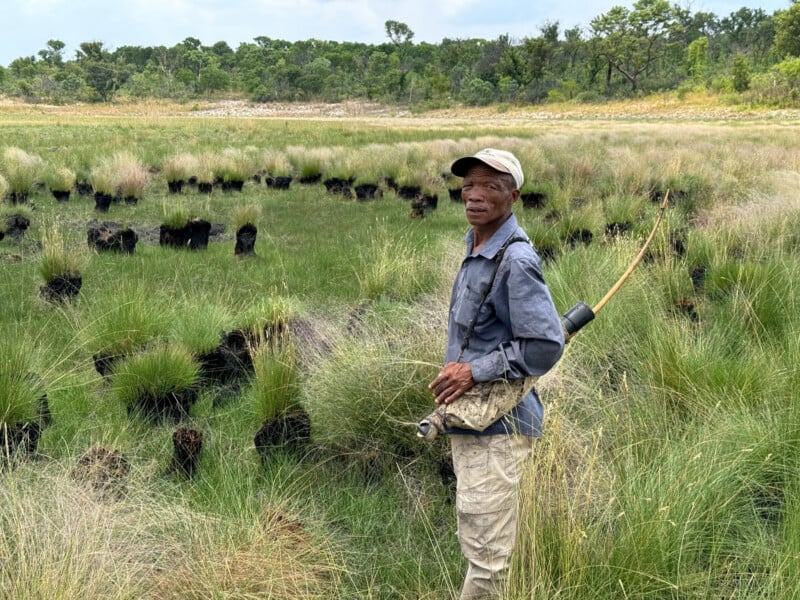
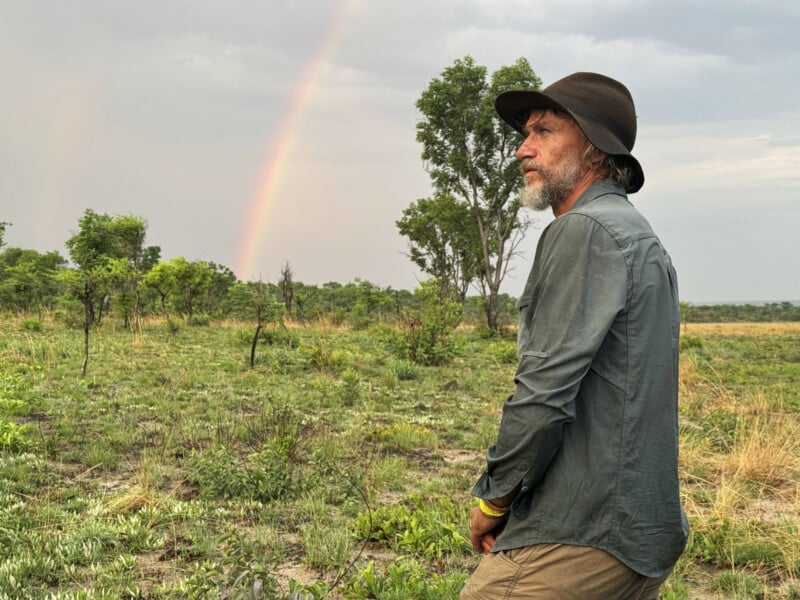
Later that day, Boyes is explaining what happened to Herzog, and the rains come, and rainbows appear. The moment could literally not have been scripted better, but it wasn’t scripted. This was just real magic.
“We’ve been out there for months and we’ve been tracking the elephants. We’re getting within an hour, two hours, a day,” Boyes tells PetaPixel. “There’s a whole mythology around them. When you’re in camp, in our search camp, you’re not allowed to talk about where you’re going the next day, who you’re going with, or when you’re going, because the elephants are listening.”
Boyes made that mistake on the first day of this new search expedition, saying where someone was going.
“I was banned from walking for two days and I got really upset. I went and camped away from the team, sat under the stars, sulking.”
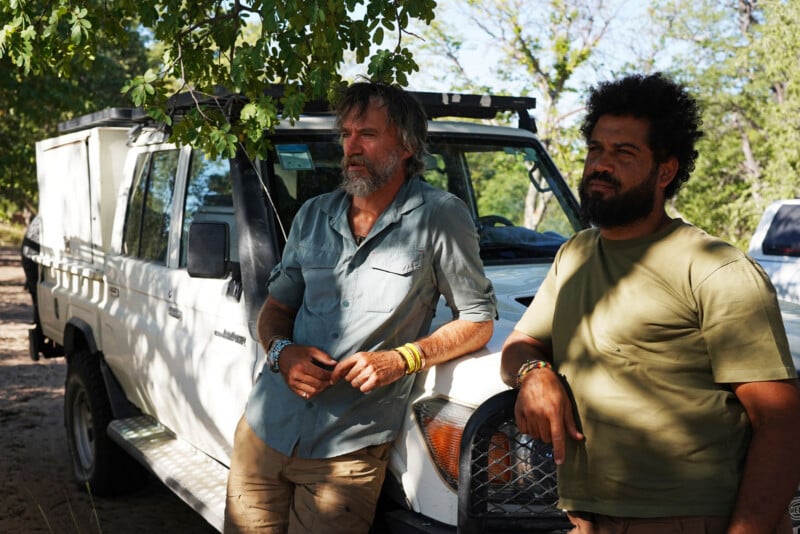
“That’s the environment you’re in, deep tradition, deep culture, lots of taboo. And we search and we search and we search. It’s 40 miles a day.”
“That’s the last day when I walk into the elephant, the very final day. I’d surrendered the day before, really. We’d seen the footage from Antonio and Elias, and I was like, ‘Okay, we’ve got that.’”
Boyes thought it was impossible that the final day would be a successful one.
But Xui had seen the video from two other team members, which showed a ghost elephant far in the distance, mostly obscured by trees. It wasn’t much, but it was everything at first. It was all they had. Boyes thought Xui was invigorated by it.
“I noticed he was very purposeful that [final] morning,” Boyes says. “I think he had just enough of a look and feel of the trees and the place for him to read into it. The master trackers know the names and birthdays of every single elephant out there without having seen one. They know every other animal, every nook and cranny of this place has been memorized. He was very purposeful.”
After a few hours, Xui said, “Steve, Steve, over there.”
And there it was.
When trying to explain what happened to the team after his return, Boyes found it very difficult to say much of anything at all.
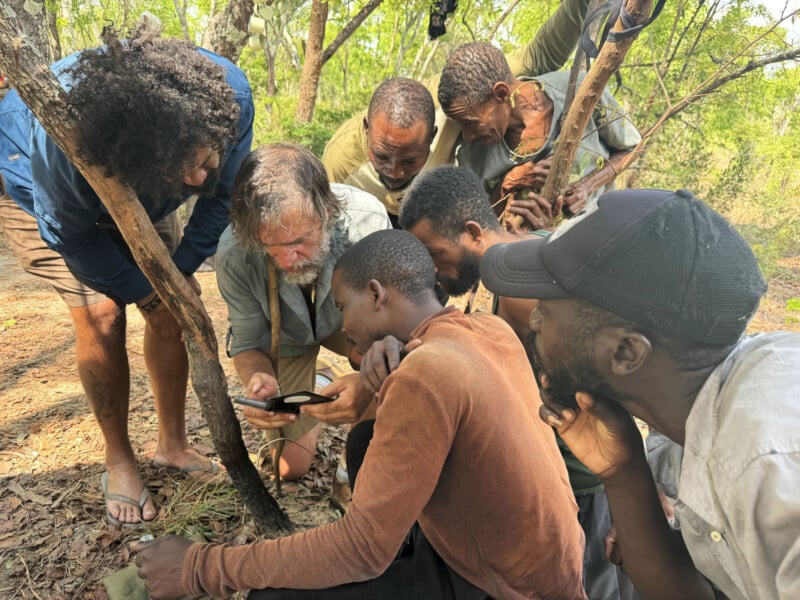
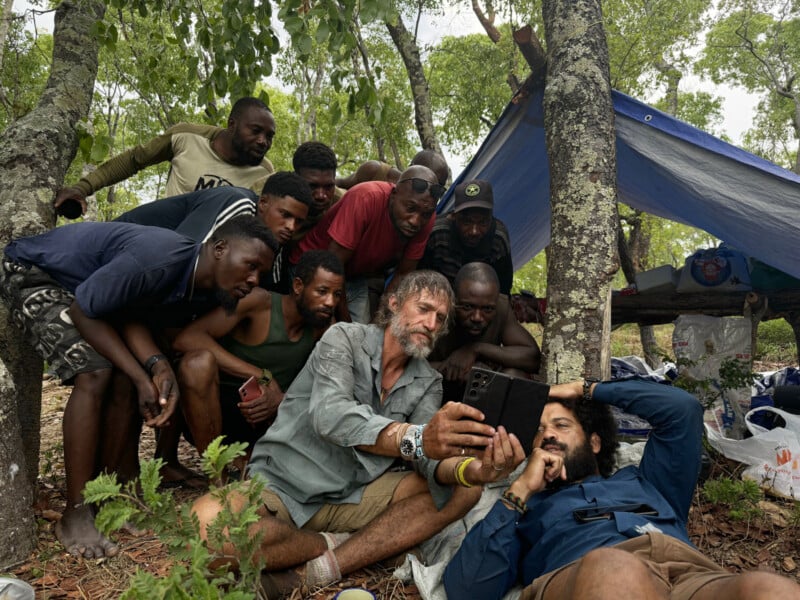
“I take the video to Kerllen and show it to him, not talking to them. I just show him the video and a bunch of people come around. I cried a little bit and I was sitting there.”
“I was trying to eat. I was very hungry, but I couldn’t talk really. And I’ve got the film crew that freaking sticking the cameras in my face. It’s not on the film, but they’re right there the whole time. And I’m just eating rice and beans, cold rice and beans. And then I went and sat in the rain. And I don’t know if any rainbow appears. It’s like, what on Earth is this then? So I go and look at that. But it’s like luck or something, very well timed. I was completely overwhelmed by it. It’s 10 years of time, mountain biking, hiking for months, exploring every single river.”
Experiencing that moment also relates to how Boyes approaches wildlife conservation at its very core. He and his team are involved with the local people, tribes, vice kings, and kings. They spend time there, building schools and clinics, training teachers, nurses, and midwives. They have thousands of farmers working with them, helping rebuild a region that was destroyed by war.
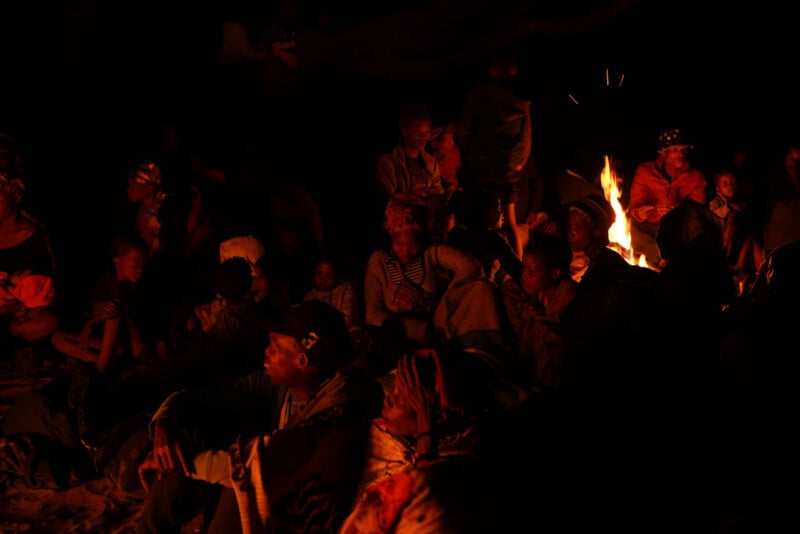
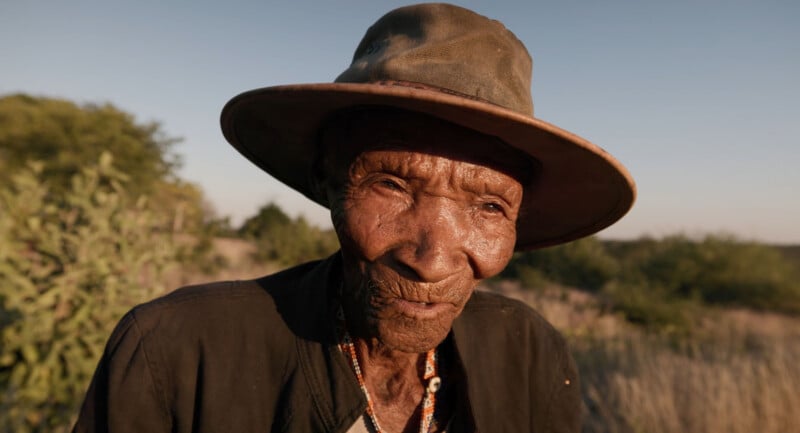
For Boyes, this is how you protect animals, place, and people, from the bottom up. Environmental issues cannot be solved by simply throwing money at them or erecting fences and walls to protect a specific area. Successful, long-term conservation requires being there, on the ground, working with the people who live there.
Boyes and his team are helping to support future generations of guardians, and, hopefully, the ghost elephants will be able to thrive. Perhaps one day they will even trust people again, and let’s hope that trust, if it returns, is never again broken.
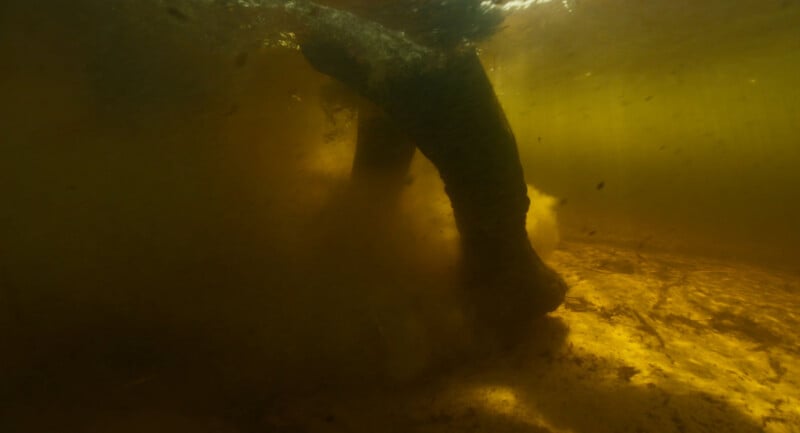
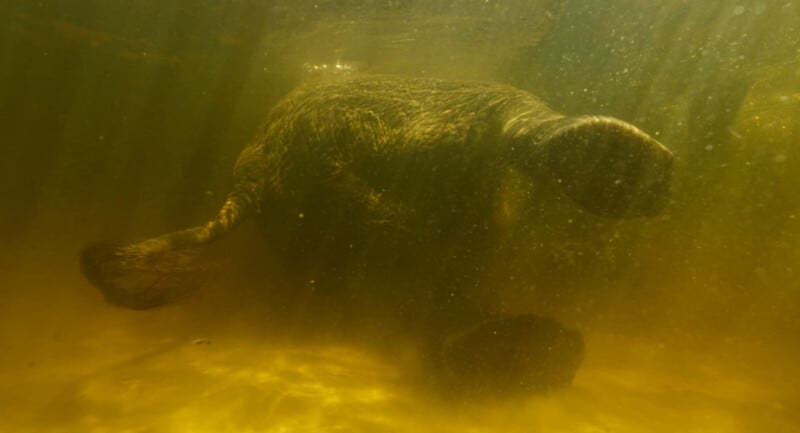
“I don’t need to see one again,” Boyes tells PetaPixel. “That was a gift, and it only needs to happen once. I don’t expect it to happen again. But you can feel the elephants there. You can feel the elephants granting us access.”
Ultimately, “Ghost Elephants” is not quite a film about the elephants themselves. It’s not even really about Boyes. The movie is about what ghost elephants, and what happened to them, tells us about ourselves. The ghost elephants are a massive, elusive mirror that reflects humanity’s worst, but also its potential to be better. It is a poignant, beautifully filmed movie that is well worth watching.
“Ghost Elephants” premieres on Nat Geo at 9 PM ET (6 PM PT) on March 7.
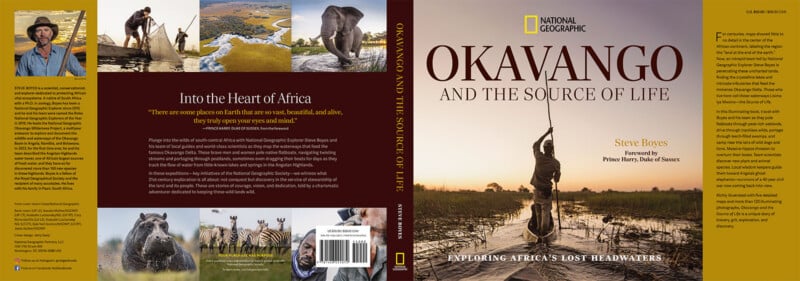
Boyes has also written an accompanying book, “Okavango and the Source of Life,” which features Boyes’ accounts of his adventures, explorations, history in Africa, and approach to conservation. There is also an excellent chapter dedicated just to the ghost elephants. The book is available now.
Image credits: National Geographic. Individual photographers are credited in the captions.