

When Paul Thomas Anderson premiered his latest film, One Battle After Another, the conversation quickly turned to his remarkable consistency as one of modern cinema’s most distinctive auteurs. Over the past two decades, Anderson has steadily climbed the ranks of Hollywood’s most respected filmmakers, earning multiple Academy Award nominations for films like There Will Be Blood, The Master, and Phantom Thread. Yet nestled quietly among these prestige titles is a strange, shaggy detective movie that initially puzzled audiences but has grown in stature over time: Inherent Vice.
Adapted from Thomas Pynchon’s novel, the 2014 film now feels less like an oddity in Anderson’s filmography and more like a stealth turning point for modern neo-noir storytelling. Upon its release, Inherent Vice received a mixed-to-positive reception from critics and audiences. The film currently holds a solid 73% score on Rotten Tomatoes, reflecting the divided response to its deliberately meandering narrative and eccentric tone. While some viewers found its hazy plotting frustrating, others praised Anderson for channeling the spirit of 1970s American filmmaking. The movie plays like a time capsule from the New Hollywood era—an offbeat, counterculture-infused neo-noir that filters classic Hollywood crime stories through psychedelic humor and a stoner’s worldview. In an industry increasingly dominated by sleek thrillers and tightly structured mysteries, Anderson delivered something looser, stranger, and more atmospheric.
What Is ‘Inherent Vice’ About?
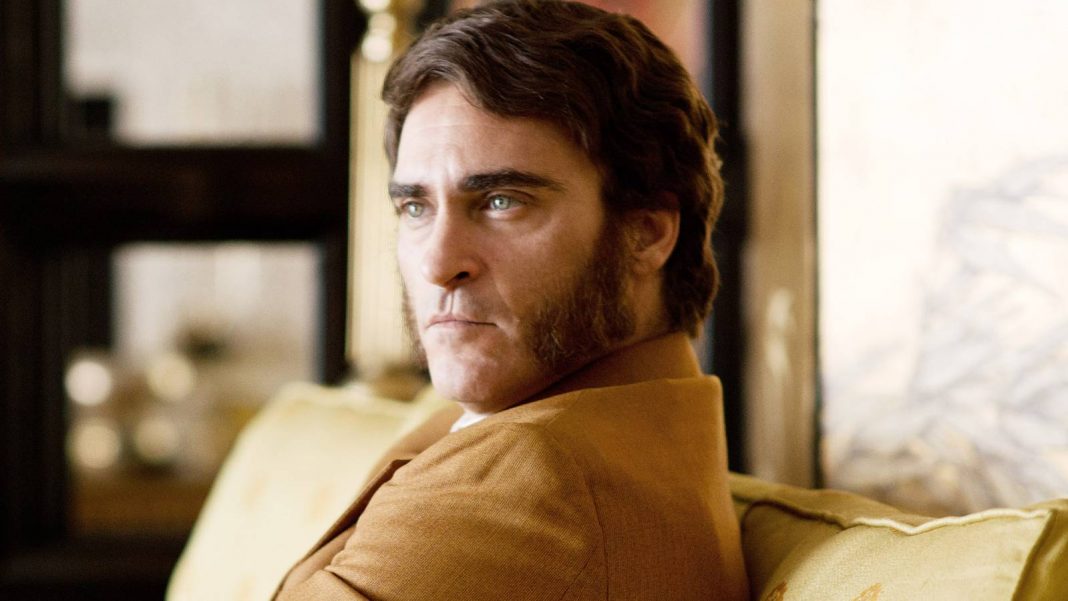
Set in 1970 Los Angeles, the film follows private investigator Larry “Doc” Sportello (Joaquin Phoenix). Doc’s life takes a turn when his ex-girlfriend Shasta Fay Hepworth (Katherine Waterson) suddenly reappears with a strange request: she believes her wealthy real estate developer boyfriend is about to be kidnapped by his own wife and her lover. What begins as a seemingly straightforward missing-person case quickly spirals into a dense web of conspiracies involving drug cartels, corrupt dentists, mysterious organizations, and a shadowy syndicate known as the Golden Fang. The deeper Doc digs, the less clear the truth becomes.
As Doc drifts through smoky beach houses, neon-lit clubs, and foggy Los Angeles streets, the mystery only grows more surreal. Along the way, he crosses paths with a gallery of eccentric characters, including the relentless LAPD detective Christian “Bigfoot” Bjornsen (Josh Brolin), who serves as both Doc’s nemesis and reluctant ally. The film’s plot intentionally dissolves into a haze of half-remembered clues and overlapping conspiracies, reflecting both the paranoia of the early 1970s and Doc’s perpetually altered state of mind. Rather than solving the mystery in traditional fashion, Inherent Vice immerses the audience in the confusion and cultural disorientation of the era.
In Memory of Robert Duvall — The Collider Movie Quiz
‘Inherent Vice’ Is a Throwback to ’70s Unconventional Detective Dramas

Anderson’s whimsical direction places Inherent Vice firmly within the lineage of unconventional detective stories from the 1970s. Filmmakers like Robert Altman, Peter Yates, and Alan J. Pakula all helped reshape crime cinema during that decade by embracing ambiguity and moral complexity. Altman’s famously offbeat take on Raymond Chandler, The Long Goodbye, similarly presented a detective wandering through a disorienting modern world. Meanwhile, Pakula’s paranoia trilogy—particularly The Parallax View—captured the era’s growing distrust of institutions. Anderson’s film feels like a spiritual descendant of these works, trading traditional noir cynicism for countercultural melancholy.
Part of what makes Inherent Vice so distinctive is its ensemble cast and dreamlike atmosphere. Phoenix anchors the film with a loose, improvisational performance that perfectly captures Doc’s spaced-out but quietly perceptive nature. Surrounding him is a stellar ensemble that includes Owen Wilson, Reese Witherspoon, Benicio del Toro, and Martin Short. The film’s hazy vibe is further enhanced by a nostalgic soundtrack and a dreamy score from Jonny Greenwood.The result is a crime film that feels simultaneously whimsical and mournful—a goodbye letter to the fading idealism of the ’60s.
Inherent Vice helped redefine what modern neo-noir could look like. While many contemporary entries in the genre lean toward sleek procedural storytelling or brutal nihilism, Anderson’s film embraced confusion, humor, and atmosphere as narrative tools. Its influence can be seen in later crime stories that prioritize mood and character over strict plot mechanics. By resurrecting the loose, experimental spirit of 1970s detective films and filtering it through a modern lens, Anderson created something rare: a neo-noir that feels both nostalgic and forward-thinking. What once seemed like a strange detour in his career now reads as a quiet reinvention of the genre itself.
Inherent Vice is streaming on Prime Video in the US.

- Release Date
-
January 9, 2015
- Runtime
-
149 minutes
- Director
-
Paul Thomas Anderson