
I thought all artists behaved that way. But the more “advanced” you get, the more people ask, Who do you think you are? Where’s the tradition? That’s a common experience for a lot of people of colour.
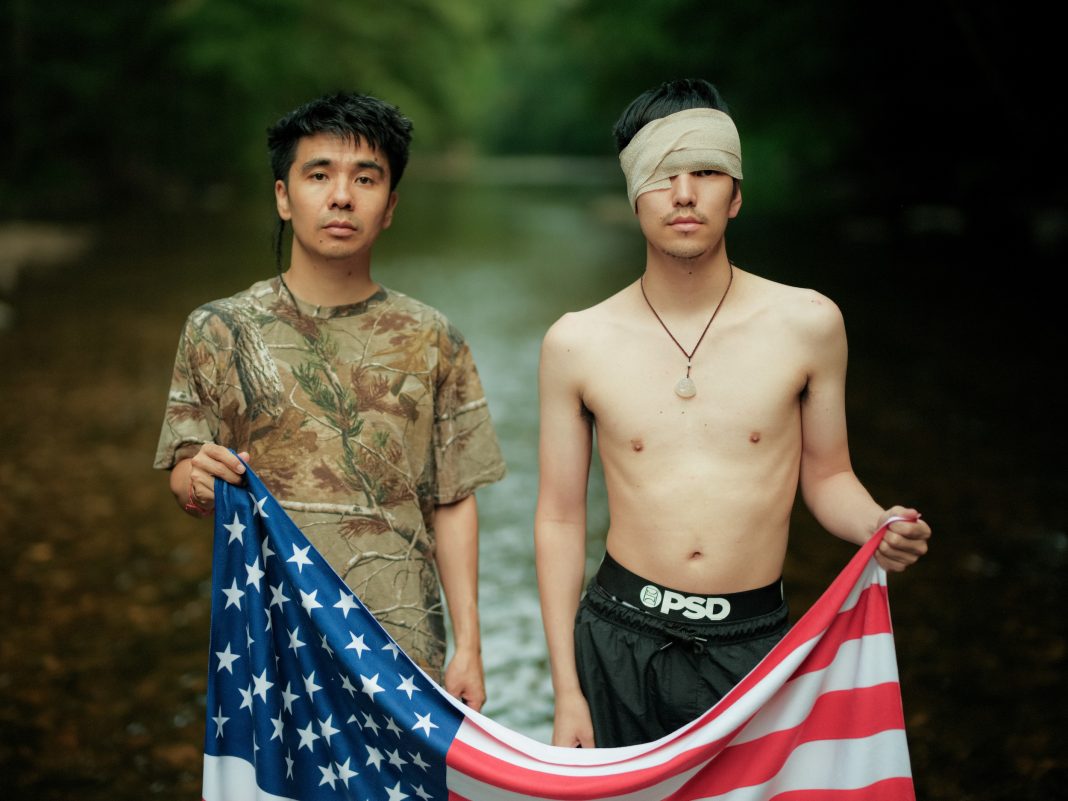
I didn’t know any of this when I started. I just picked up a camera and photographed my friends at punk shows and in skate videos. When I looked at the frames, I realized there was some sort of myth inside them. I was punching holes out of time – but unlike a real hole puncher, the world remained intact.
So I started going to the library. The photography section was maybe the size of two microwaves. But there I found, particularly, the work of Elliott Erwitt and Chris Killip, who photographed punk shows in England in the ’60s. That scallywag culture stunned me. I realized there was a whole tradition.
I began taking photographs of my family to make our world legible to them. It sounds strange to say, but I’ve never seen my mother walk in a local park. That’s the reality of grueling hours – you don’t have recreation. I wanted to show her what our life was, the part she never got to participate in because she worked so hard. That was the impulse.
When I became a writer, taking a strong photograph in conversation with the photographic tradition allowed me to understand subject and place more deeply than if I had simply taken reference shots. Many writers take quick phone photos to describe them later. But composing a photograph – really composing it – made me intimate with the subject. So when I wrote about them, it felt closer to lived experience, even if I was inventing.
Photography felt private. Until I met Nan Goldin.
She was photographing me for Document Journal. Instead of blasting away for 30 minutes, we spent three hours talking at St. Mark’s Poetry Project. She would take one frame every few minutes, smoking the whole time. The assignment felt secondary. The conversation felt primary.
I didn’t have a pipeline, so I posted my archive – 8,000 images over 20 years – on Instagram. It was the only medium available to me. Journalists and curators started reaching out. Eventually, an editor at The New York Times asked, What is this? Can we do something? That became the show.