
What a winter. Something tells me spring’s arrival this year will be like feeling returning to a limb. What better way to greet it than to visit the nearly 70 shows we’ve compiled below? This year, we opted to sort by category, so you can skip straight to what moves you.
There are the shows that everyone’s buzzing about — the pulse-check of the Whitney Biennial, the long-awaited reopening of the New Museum, the gleeful subversiveness of Duchamp at MoMA. And exhibitions that reframe art history in strange, rich ways: Frida Kahlo and Diego Rivera meet the Met Opera; Paul Klee is newly charged with the return of “degenerate art”; and, somehow, a major show of Raphael is being mounted in the United States for the first time.
We’ve got devotional art spanning Shivas and Buddhas at the Asia Society to the Brooklyn Museum’s newly restored Egyptian Books of the Dead. The body gets its due this season, from the lusty margins of medieval manuscripts to quieter contemporary meditations on skin. Fashion is having a moment: Pioneer Works plunges into the textile trade, while the Frick addresses portraiture and dress in the paintings of Gainsborough. (We will not speak of the Bezos takeover of the Costume Institute.) Public art, meanwhile, is springing up again — timed, mercifully, to some warmer weather. Did we mention that there’s going to be a giant Buddha on the High Line?
These exhibitions examine and reimagine what it means to live here — each offering something to happen upon, linger over, carry home. Right now, that feels like exactly what we need.
—Lisa Yin Zhang, associate editor
Jump to:
Season Highlights
Utopia in Our Time: The Posters of Molly Crabapple
Poster House, 119 West 23rd Street, Chelsea, Manhattan
Through April 12
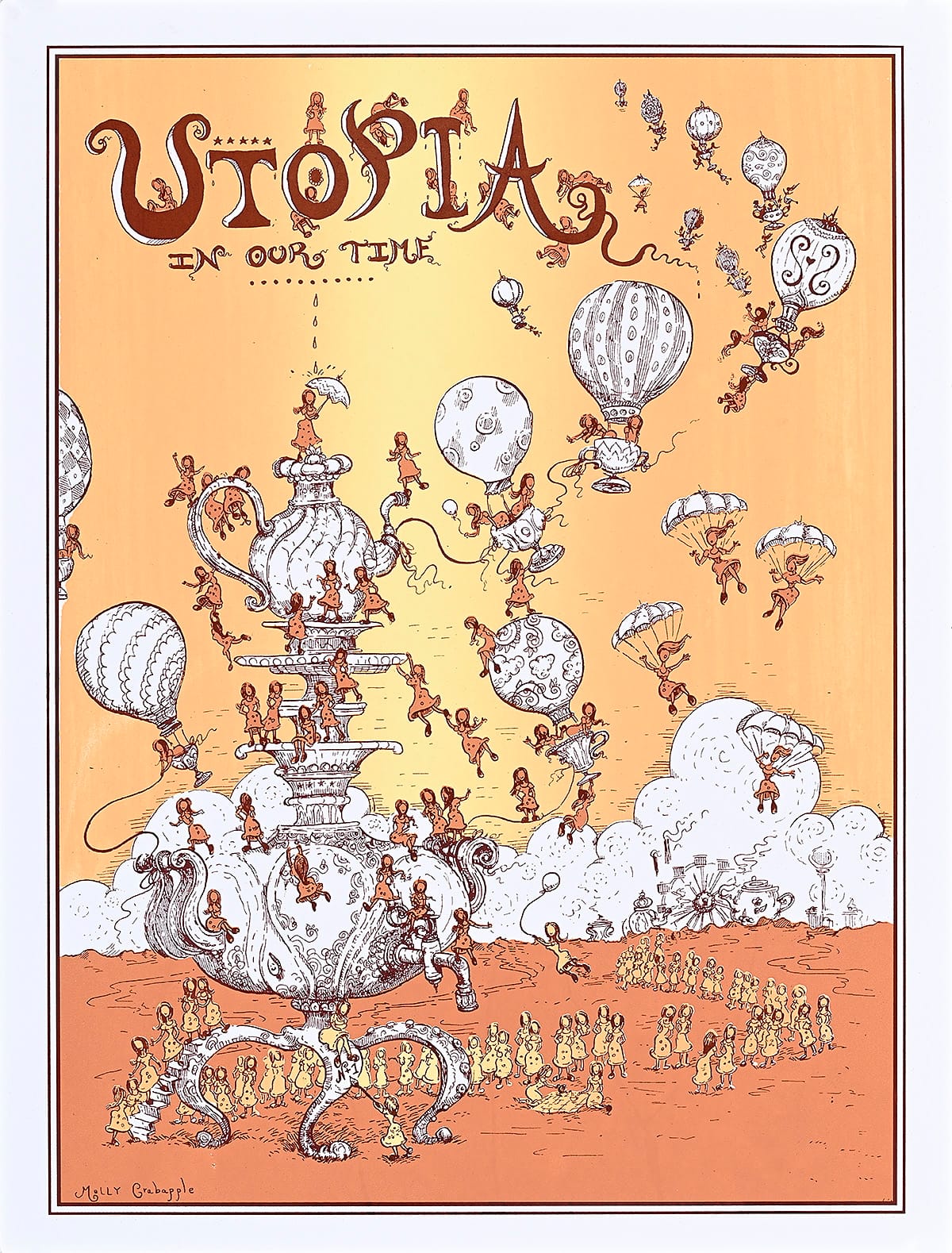
Illustrator and author Molly Crabapple tackles various social inequities and immortalizes forms of resistance across the globe in a series of vibrant posters. In her signature style, figurative surrealism intersects with tight draftsmanship.
Caravaggio’s “Boy with a Basket of Fruit” in Focus
Morgan Library & Museum, 225 Madison Avenue, Murray Hill, Manhattan
Through April 19
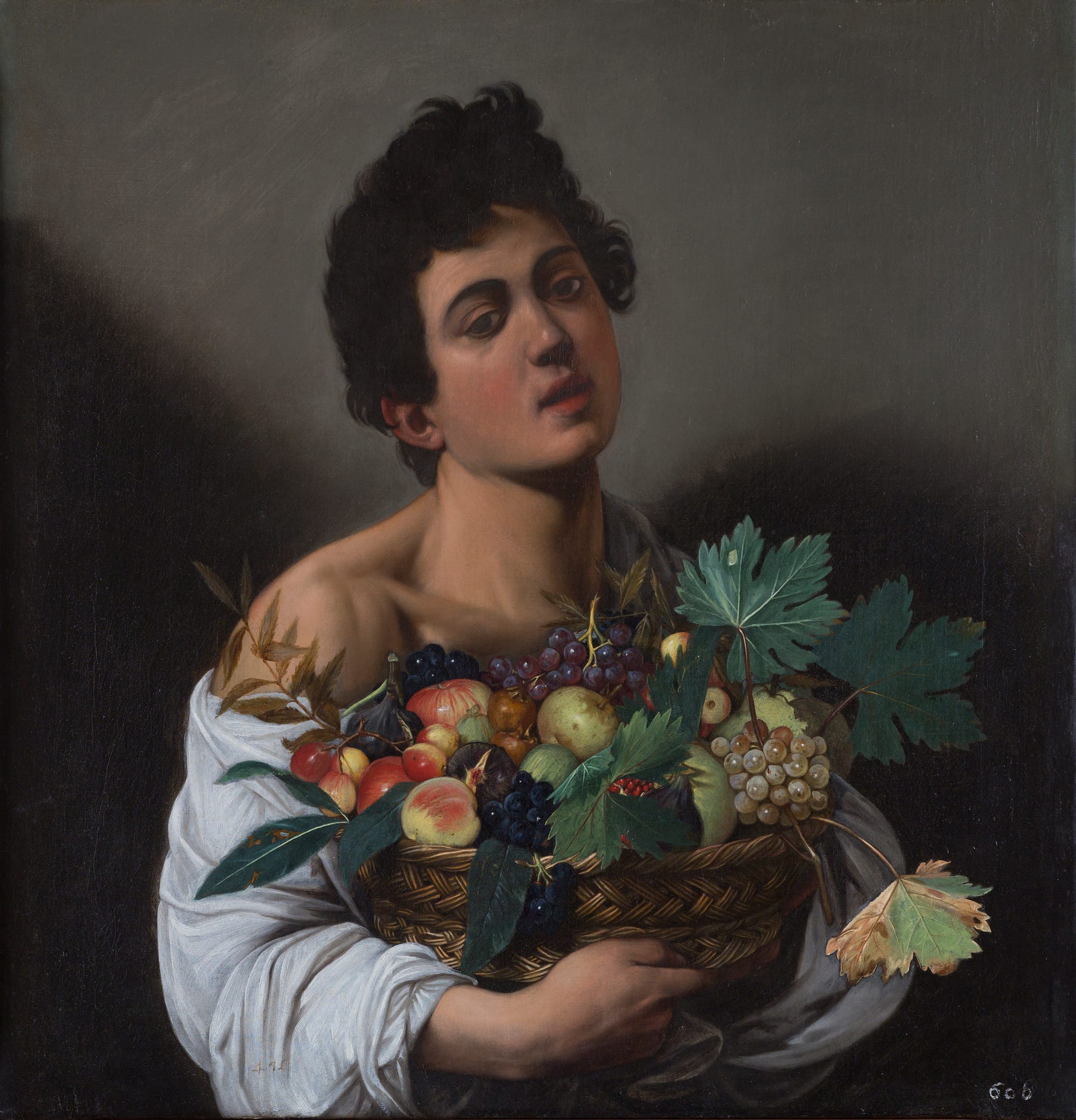
While he’s often viewed as a painter of darkness, “Boy with a Basket of Fruit” (1595) shows a different side of Caravaggio. With its jewel-like colors and sultry atmosphere, the stunning painting is a master class in naturalism and light. Accompanying it are precedents by Annibale Carracci and others, as well as later works by figures such as Bernini that show Caravaggio’s massive influence on Roman art.
Read Lisa Yin Zhang’s interview with the curator
Pat Oleszko: Fool Disclosure
SculptureCenter, 44-19 Purves Street, Long Island City, Queens
Through April 27
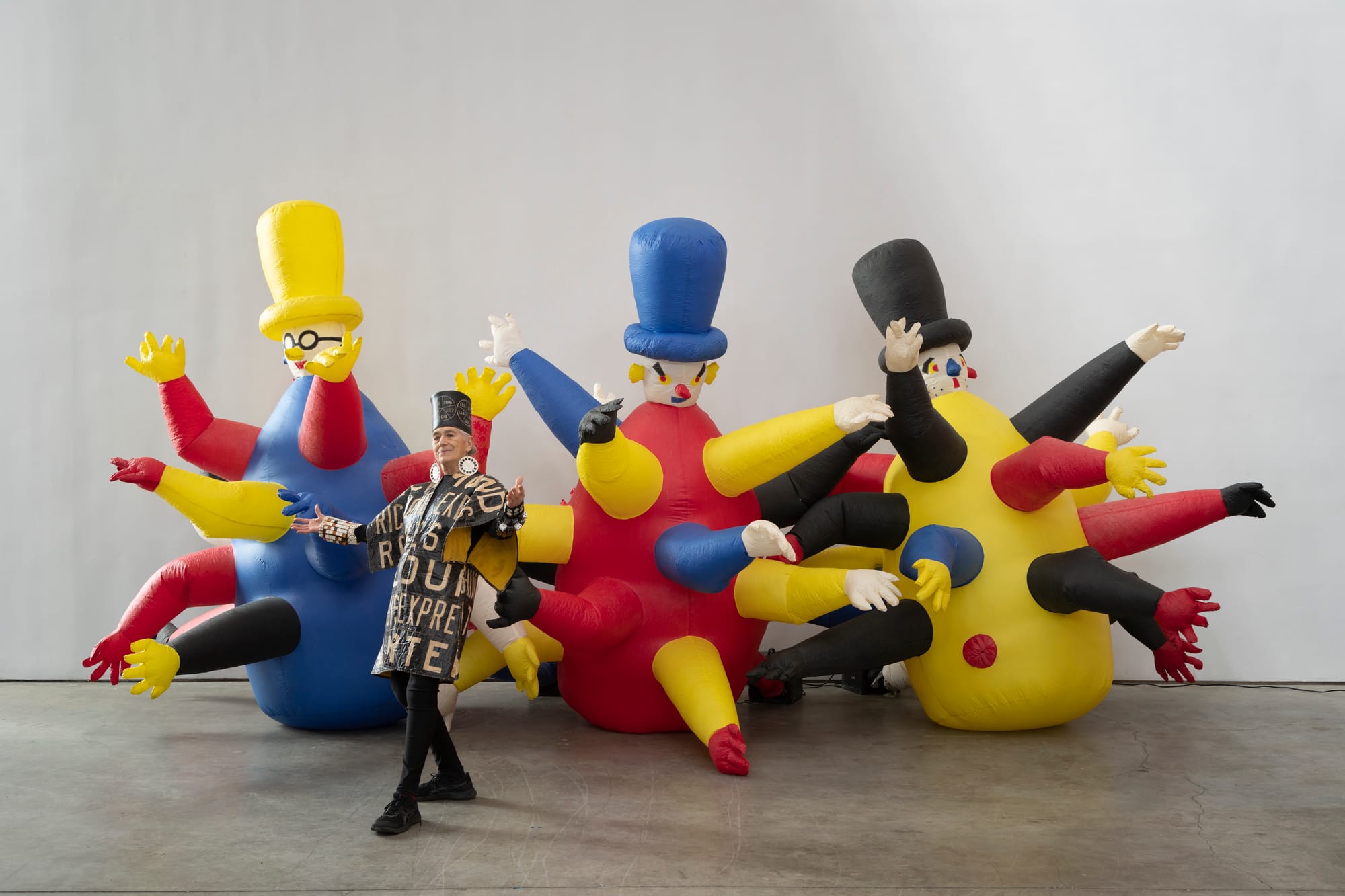
In her first New York City solo presentation in 35 years, Pat Oleszko flouts propriety as she fills SculptureCenter to the brim with her irreverent art. The visual cacophony of her cheeky inflatables might instantly grab the viewer’s attention, but a selection of her filmed public performances, or disruptions, handcrafted character costumes, and associated archival media further emphasize that this is Pat’s world — we’re just living in it.
Ceija Stojka: Making Visible
Drawing Center, 35 Wooster Street, Soho, Manhattan
Through June 7
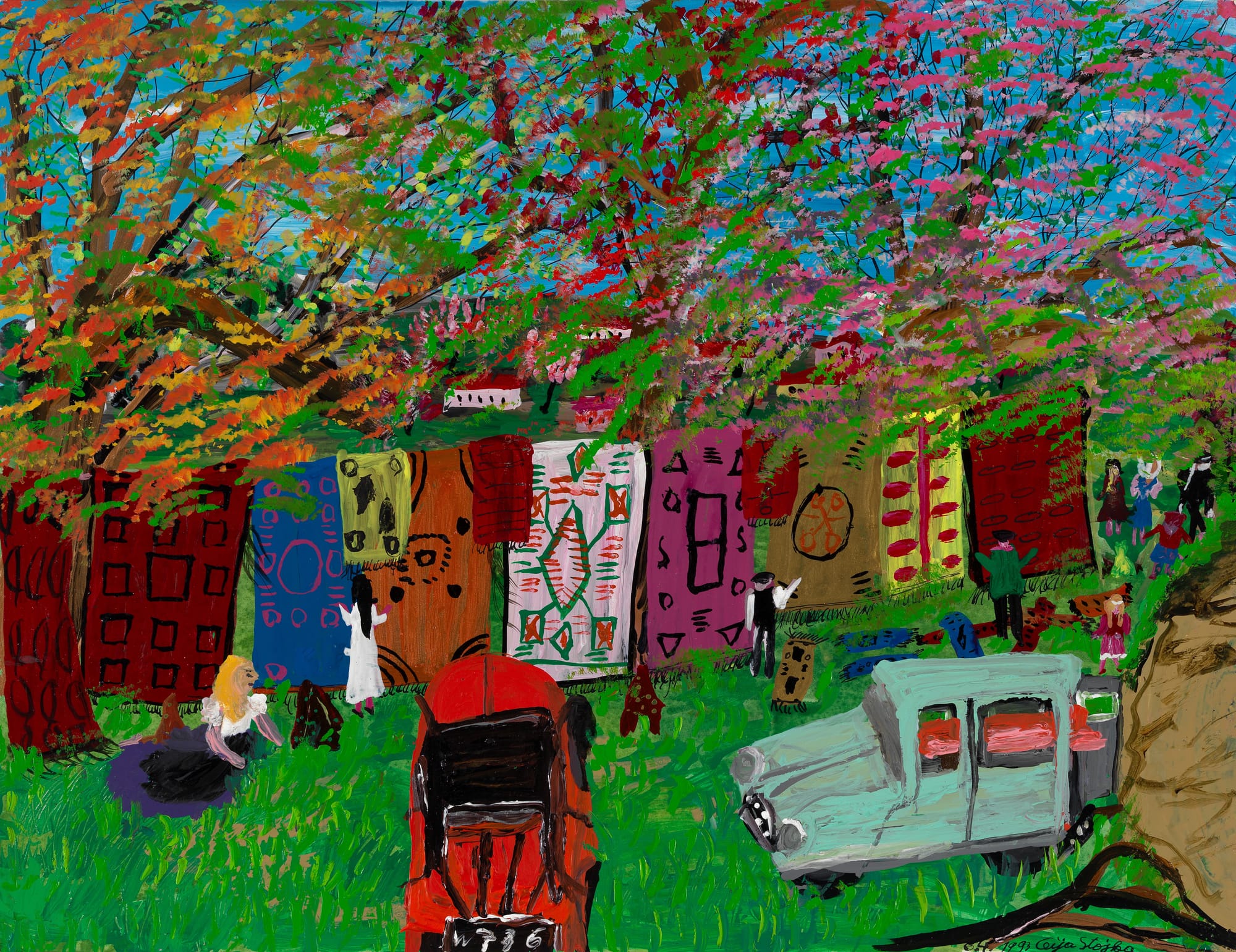
The Austria-born Roma creator Ceija Stojka translated her most hellish life experiences — including surviving the Holocaust — into artworks that are both beautiful and disturbing. This retrospective honors her life and creative practice as an artist, musician, writer, and activist with more than 60 works, along with sketchbooks and archival materials. It promises to be a stunner.
Carol Bove
Solomon R. Guggenheim Museum, 1071 Fifth Avenue, Upper East Side, Manhattan
March 5–Aug. 2
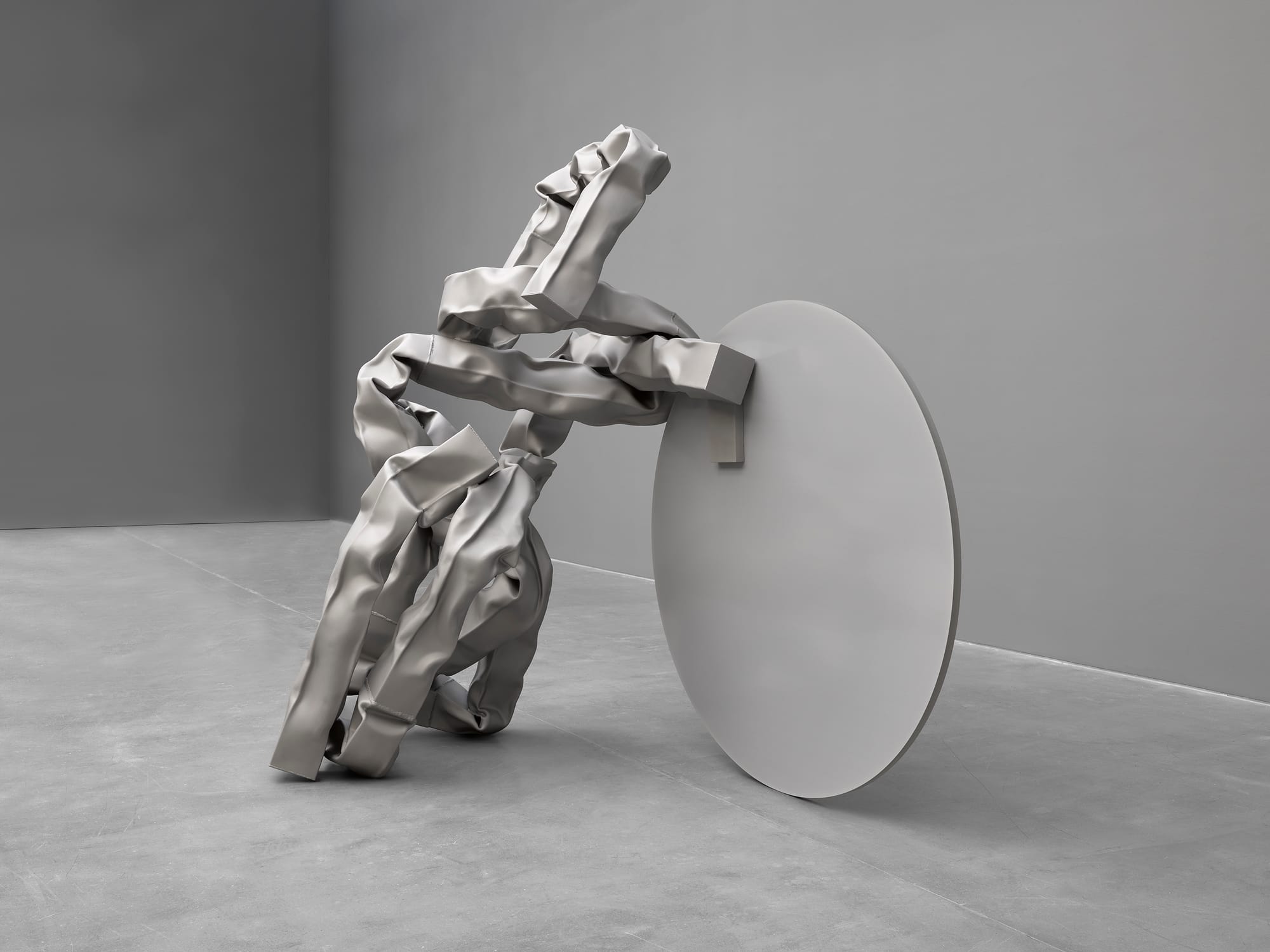
For a quarter-century, Carol Bove has explored the relationship between objects and their environment through her evolving oeuvre — which makes the Guggenheim’s rotunda an ideal site to experience her work. This career-spanning show presents the full range of her sculptural practice, from early assemblages to recent steel sculptures — brightly colored and twisted forms that seem almost alive.
Whitney Biennial 2026
Whitney Museum of American Art, 99 Gansevoort Street, West Village, Manhattan
March 8–Aug. 23
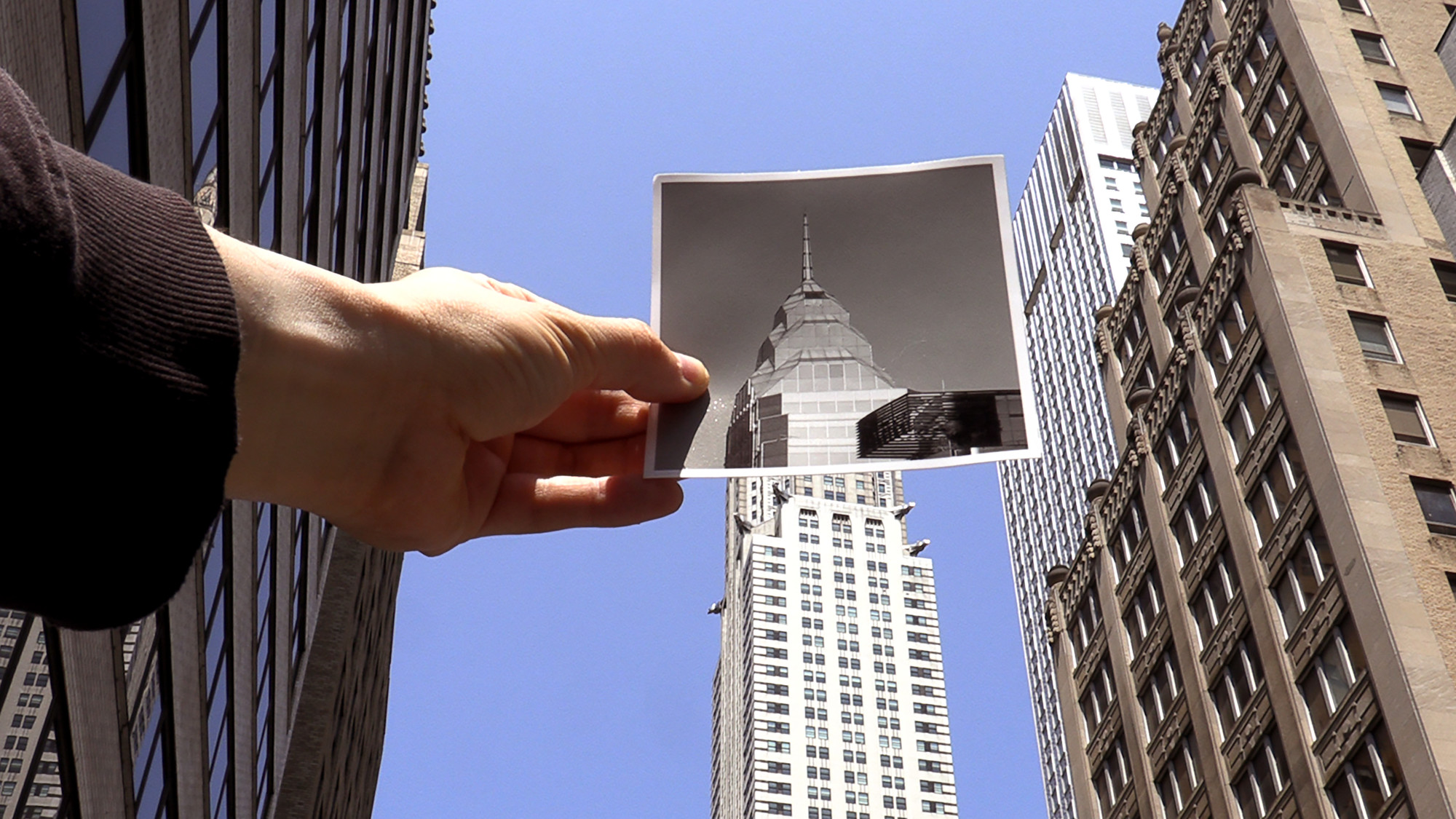
This year, the Whitney Biennial turns its attention to the relationships and shared histories that preoccupy its 56 artists, which include Palestinian painter Samia Halaby, Diné artist Nani Chacon, and performance artist Andrea Fraser. Co-curated by Marcela Guerrero and Drew Sawyer, the 82nd edition of this long-running survey offers a bird’s-eye view of the expansive landscape of American art today.
Paul Klee: Other Possible Worlds
Jewish Museum, 1109 Fifth Avenue, Upper East Side, Manhattan
March 20—July 26
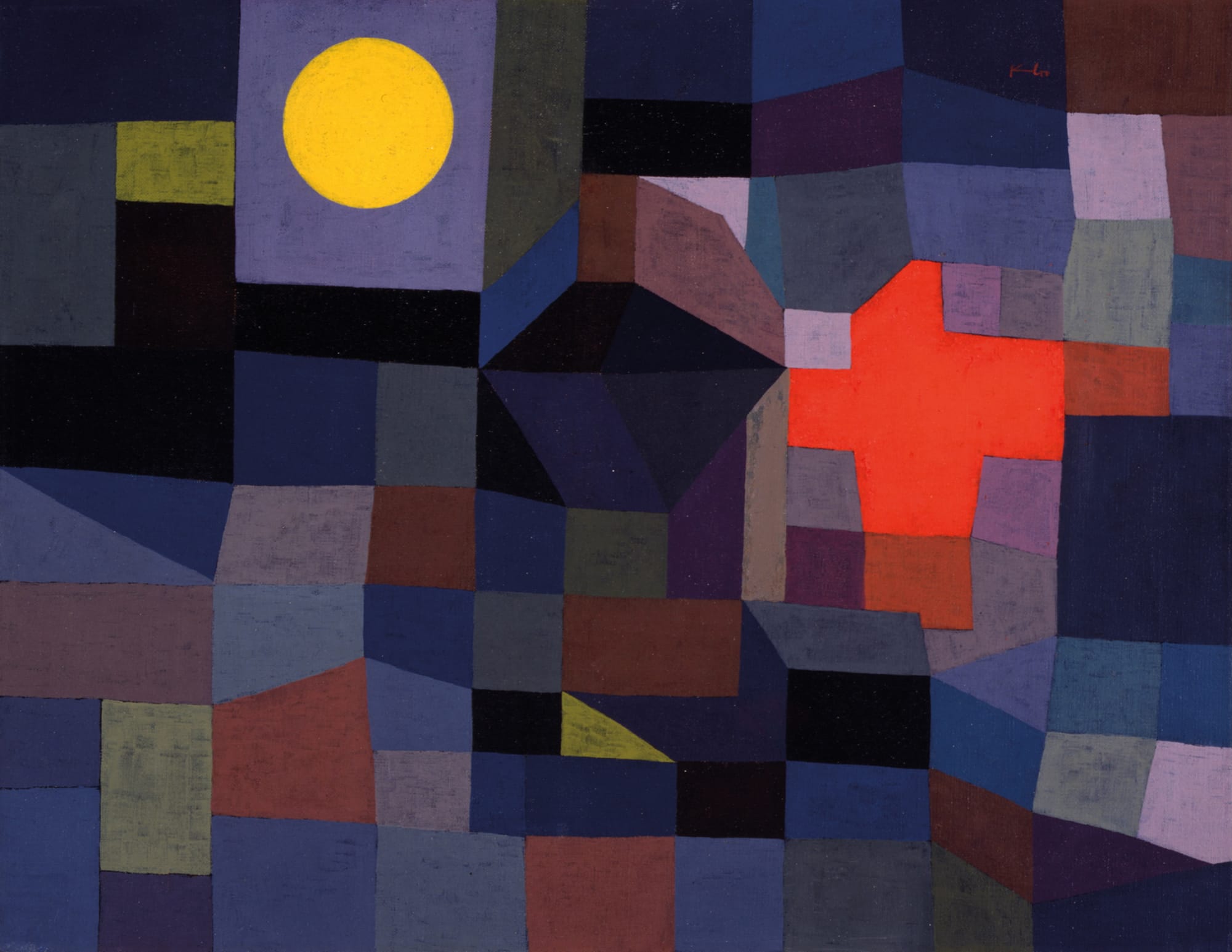
Targeted by the Nazi party for making “degenerate” art, living in exile, and suffering chronic pain from a terminal auto-immune disease, Klee pushed forward with his practice in his later years. This exhibition homes in on his final decade, juxtaposing the one-time Bauhaus professor’s ultimate works with earlier career-defining pieces, including the celebrated “Angelus Novus,” to address his dramatic shift in color theory and style.
Frida and Diego: The Last Dream
Museum of Modern Art, 11 West 53rd Street, Midtown, Manhattan
March 21–Dec. 30
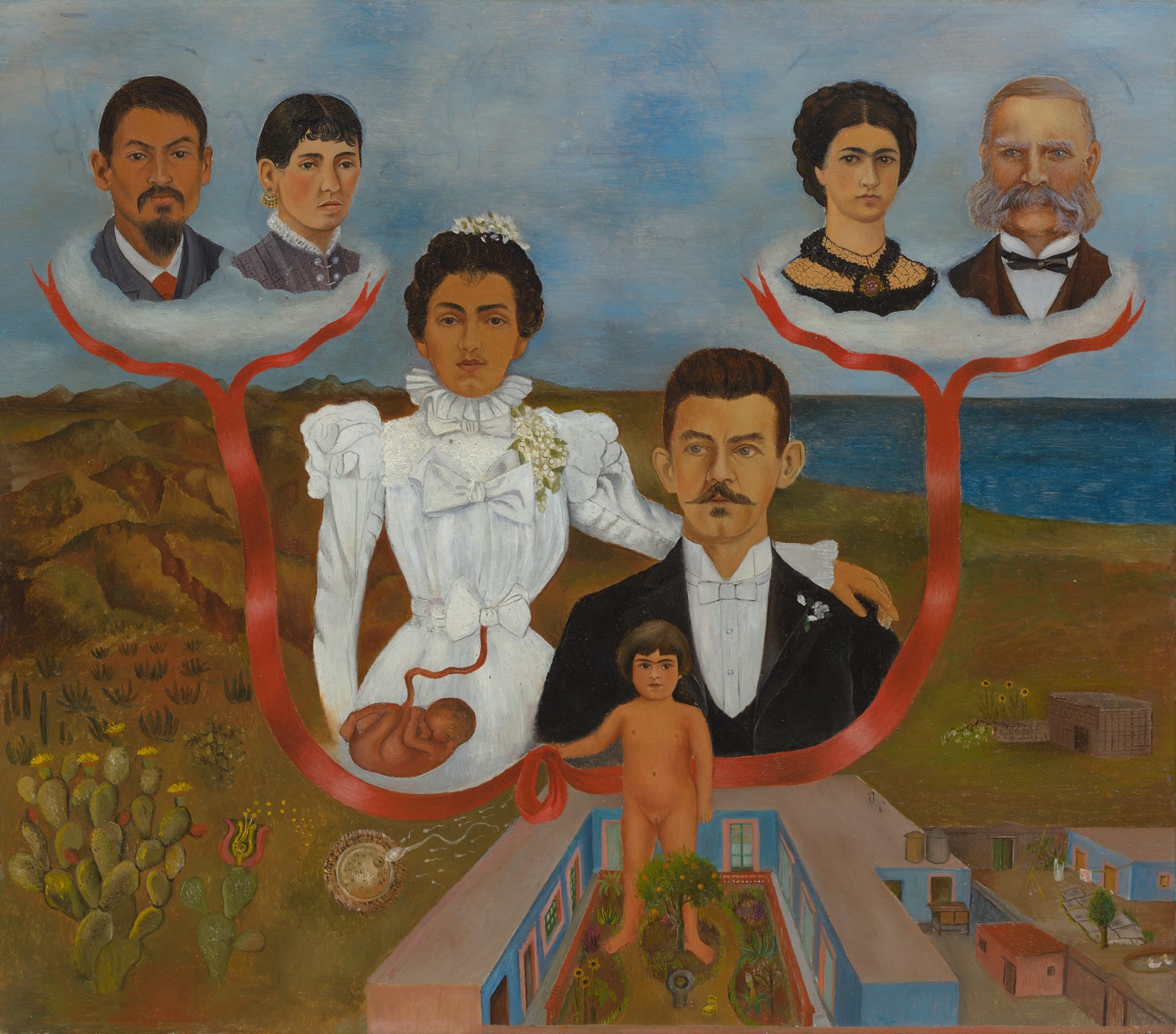
The tumultuous relationship between these two celebrated Mexican artists has long been the stuff of art historical myth. In a novel twist, the Museum of Modern Art is timing a show about their enduring impact on generations of artists with the Metropolitan Opera’s production of El Último Sueño de Frida y Diego, whose costume and set artist will also design the exhibition.
New Humans: Memories of the Future
New Museum, 235 Bowery, Lower East Side, Manhattan
Opens March 21
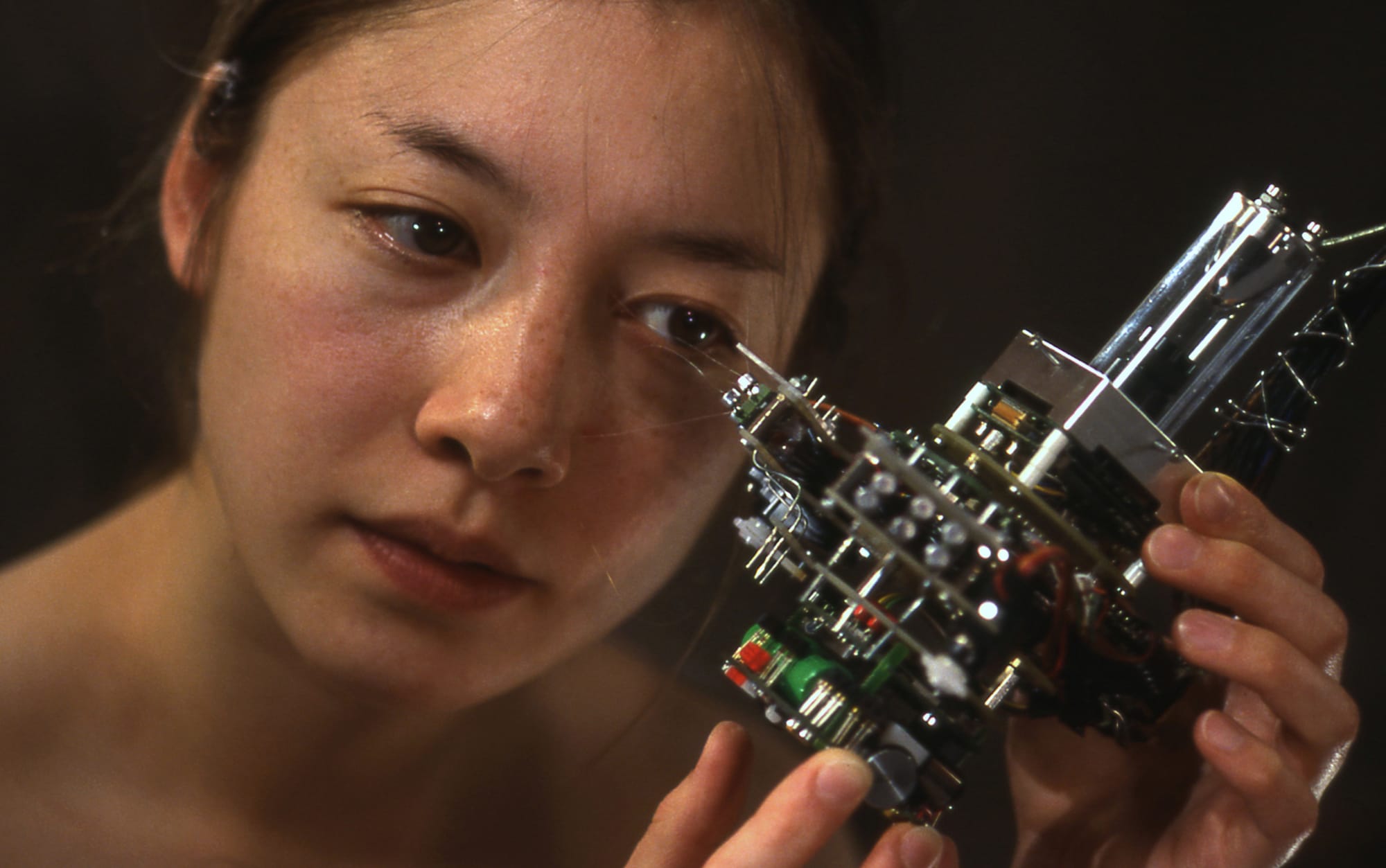
Following a two-year closure for a major expansion, the New Museum will open its galleries to the public this March with an exhibition featuring 150 artists. The show examines the conveniences, anxieties, consequences, and futurity of being a human hurtling through a seemingly endless expanse of technological growth and overreach. Utopian architects, sci-fi filmmakers, and technological theorists coalesce in a visual snapshot of our projected future.
Raphael: Sublime Poetry
Metropolitan Museum of Art, 1000 Fifth Avenue, Upper East Side, Manhattan
March 29–June 28
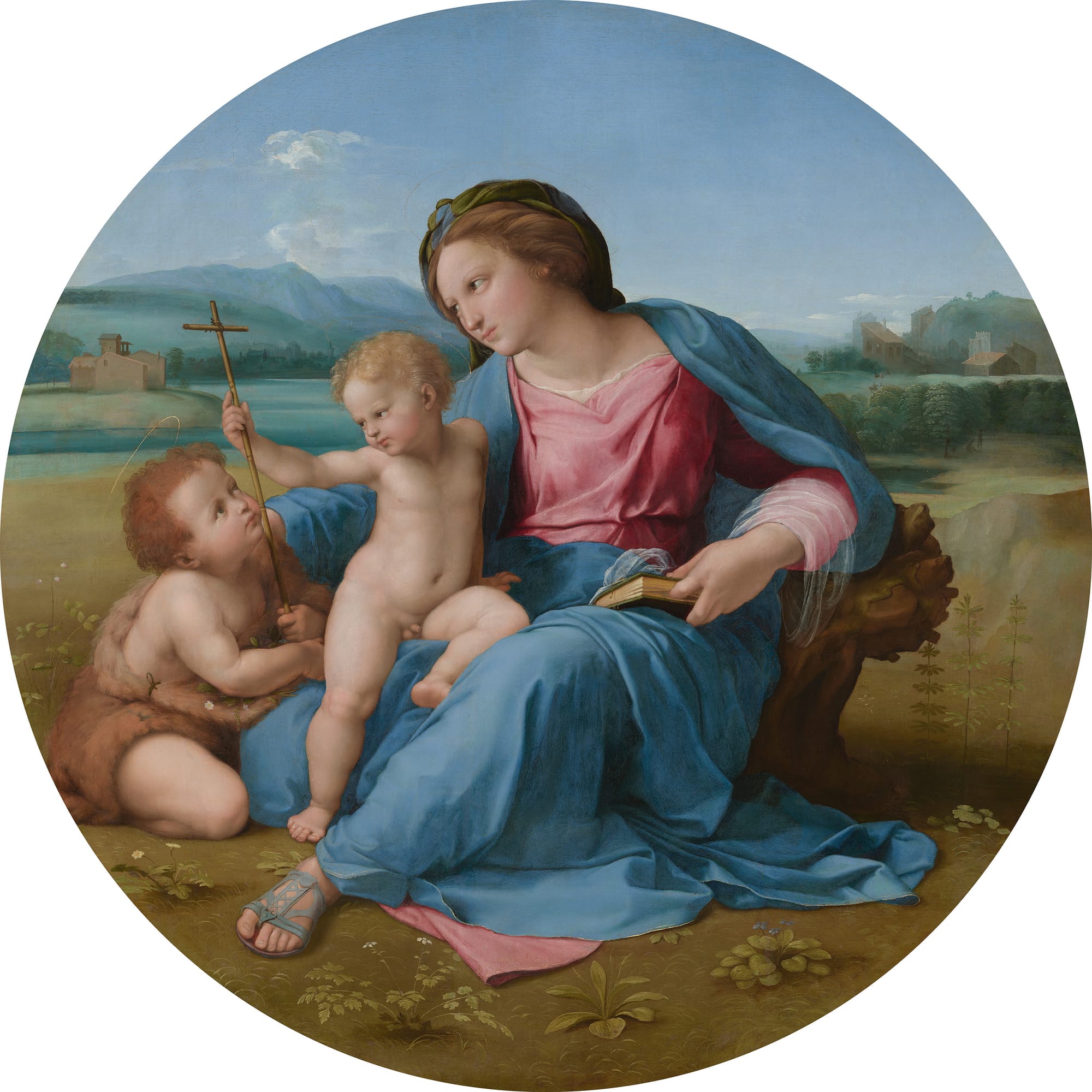
What’s left to say about one of art history’s most consecrated names? In the United States, at least, a ton. The first comprehensive stateside exhibition on Raphael includes gems of international loans, such as preparatory drawings from the Louvre, Galleria Borghese, and Albertina. It traces his arc from the hillsides of Urbino to the Renaissance powerhouse of Florence to his time in the papal court of Rome.
Marcel Duchamp
Museum of Modern Art, 11 West 53rd Street, Midtown, Manhattan
April 12–Aug. 22
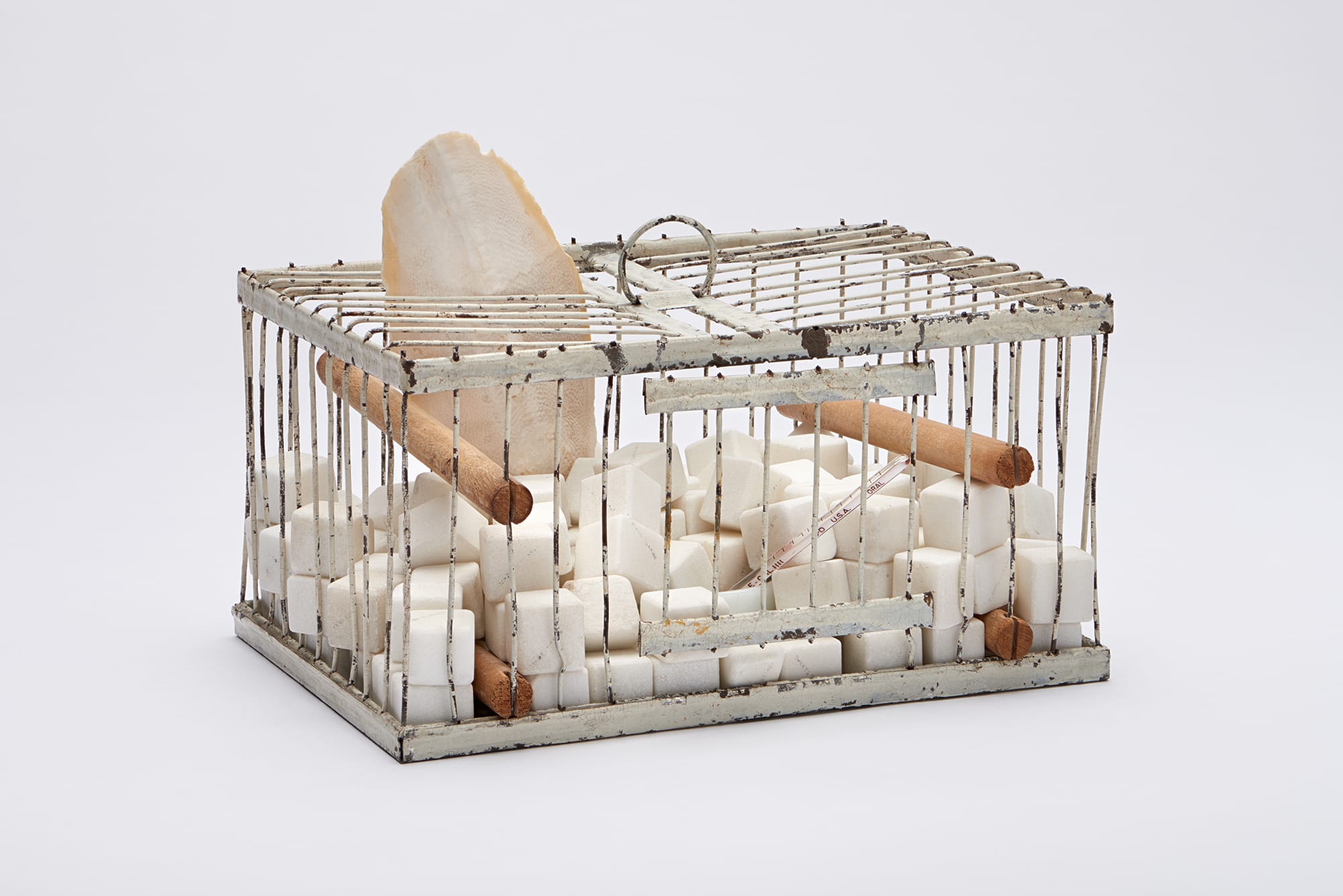
The first Duchamp retrospective in the US in over 50 years gathers decades’ worth of the revolutionary French artist’s oeuvre for a comprehensive look at the breadth of his practice, from his signature “readymade” art to miniature models and paintings on glass. Come for the urinal, stay for the 300 other works of art.
Surveys
Irriṯitja Kuwarri Tjungu
Grey Art Museum at New York University, 18 Cooper Square, East Village, Manhattan
Through April 11
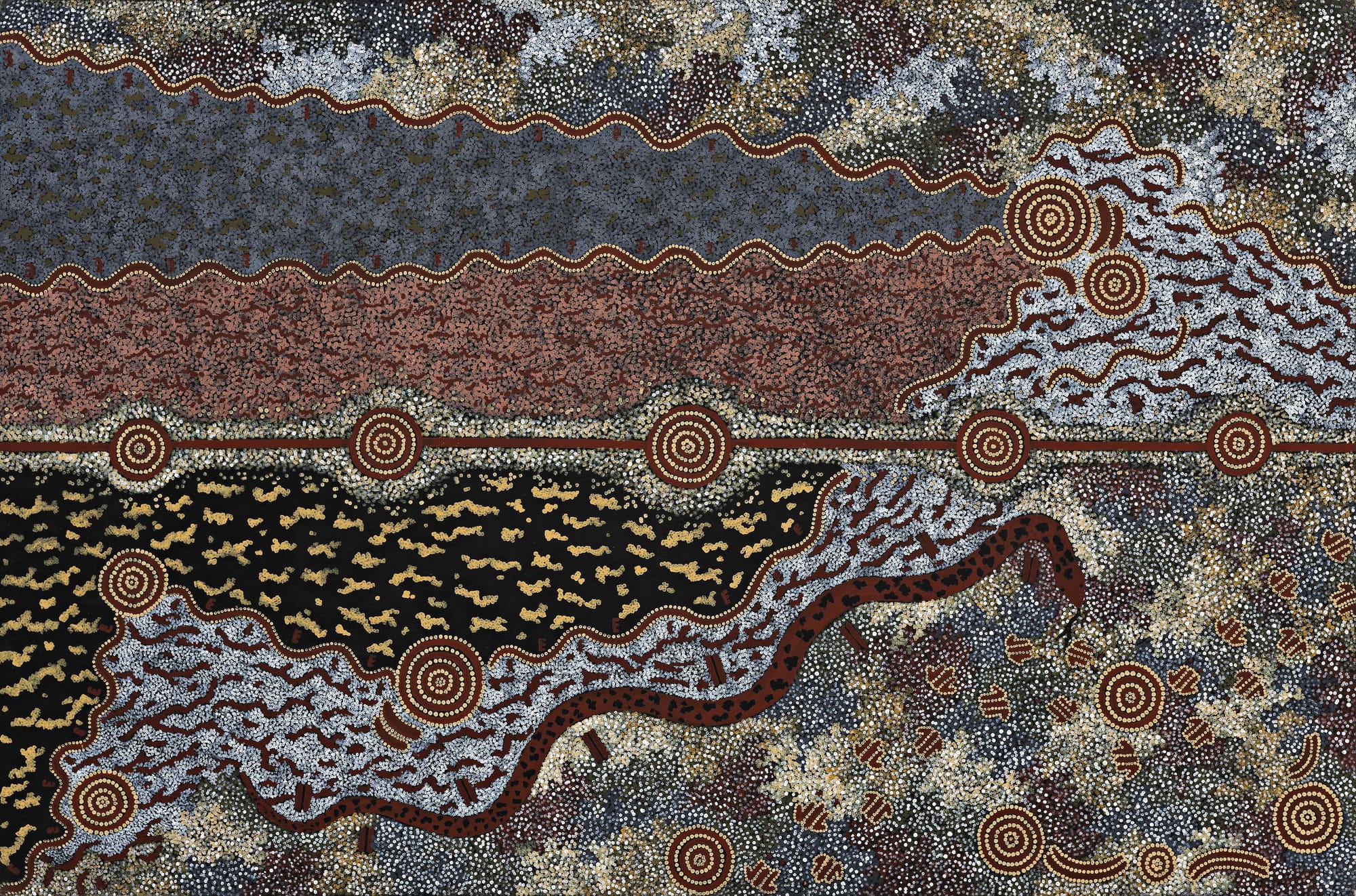
More than half a century ago, the first Aboriginal-owned art cooperative in Australia broke barriers and established a hub for First Nations painters. Now, nearly 120 works by the Papunya Tula Artists group — imbued with living traditions of design, experiments in line and color, and ancestral stories — are assembled in this gem of a show, whose Pintupi title translates to Past and Present Together.
Amazonia Açu
Americas Society, 680 Park Avenue, Upper East Side, Manhattan
Through April 18
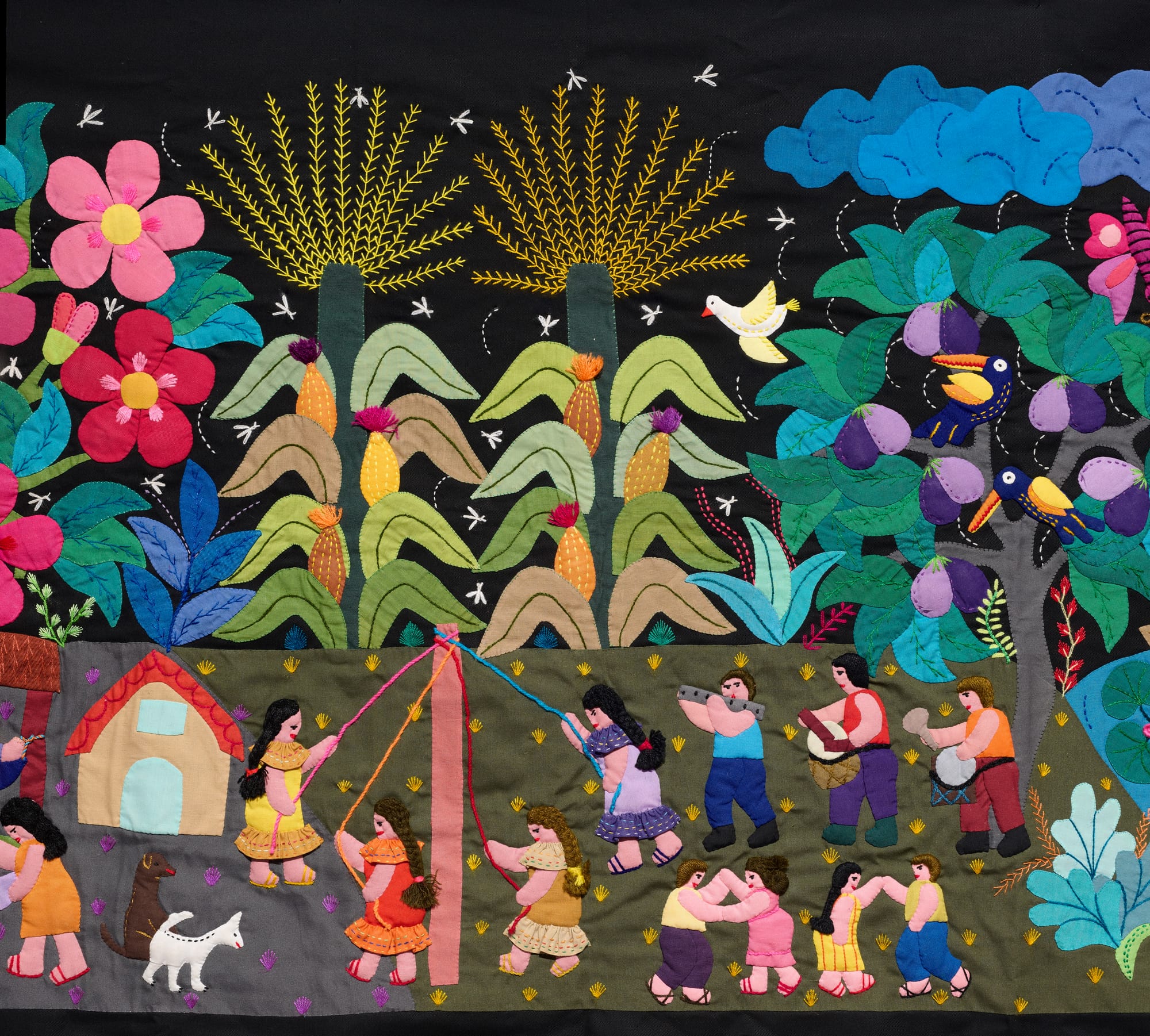
Featuring over 50 works by 34 artists and collectives based in the Amazonia region of South America, this expansive exhibition captures the breadth of creative perspectives and production across the geographic area. Works on view range from traditional weaving and pottery to contemporary painting and drawing to conceptual projects — all both eye-opening and visually arresting.
Gabriele Münter: Contours of a World
Solomon R. Guggenheim Museum, 1071 Fifth Avenue, Upper East Side, Manhattan
Through April 26
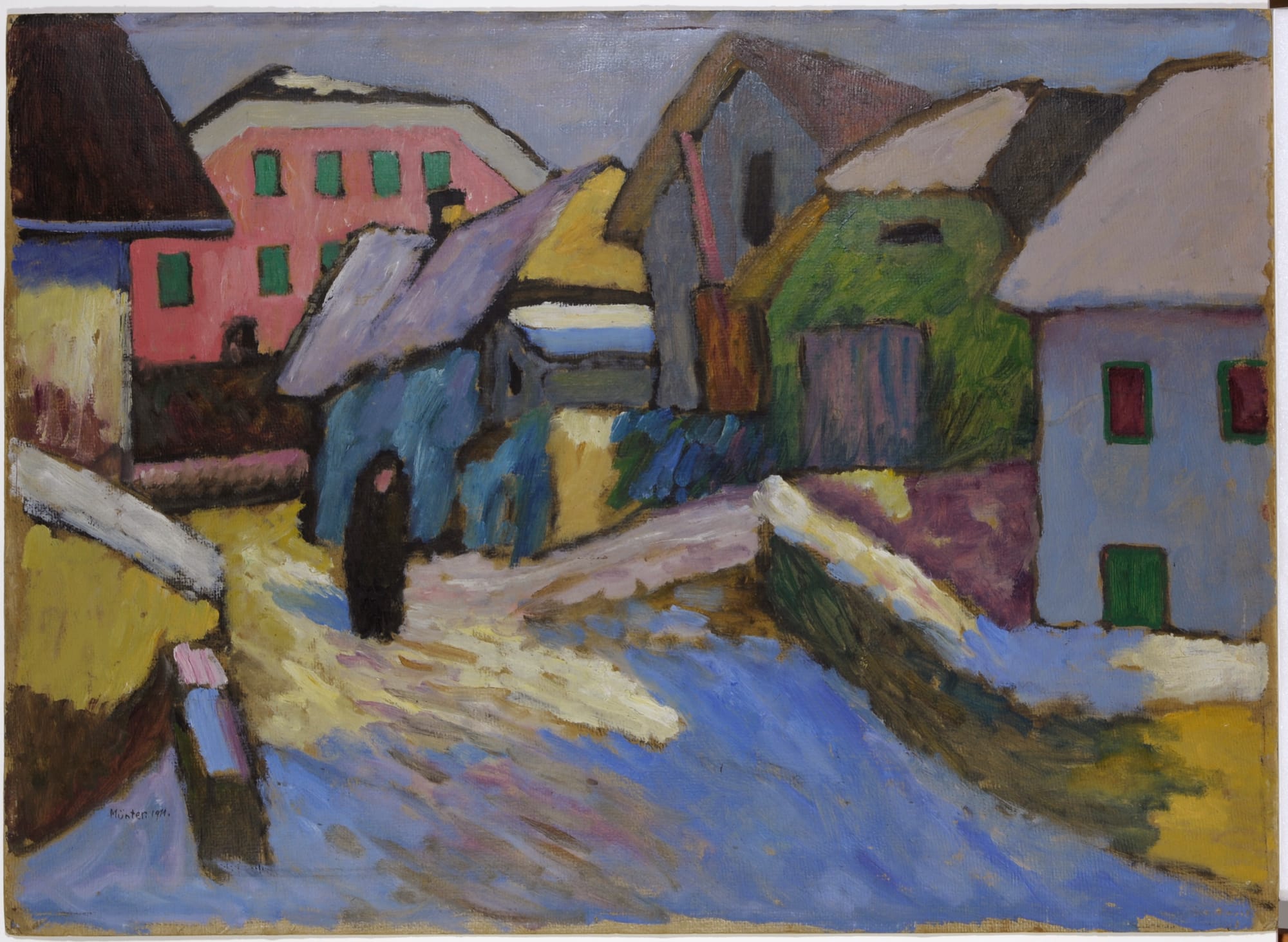
Fans of bold colors and intrepid brushwork, don’t miss out on the first US retrospective of German Expressionist painter Gabriele Münter, who captured the changing landscape of European and American society until her death in 1962. From jewel-toned mountain landscapes to indelible portraits and fiery sunset scenes, her paintings brim with the energy of an artist who reveled in the wonder of everyday life.
The Seventh AIM Biennial: Forms of Connection
The Bronx Museum, 1040 Grand Concourse, Concourse Village, Bronx
Through June 29
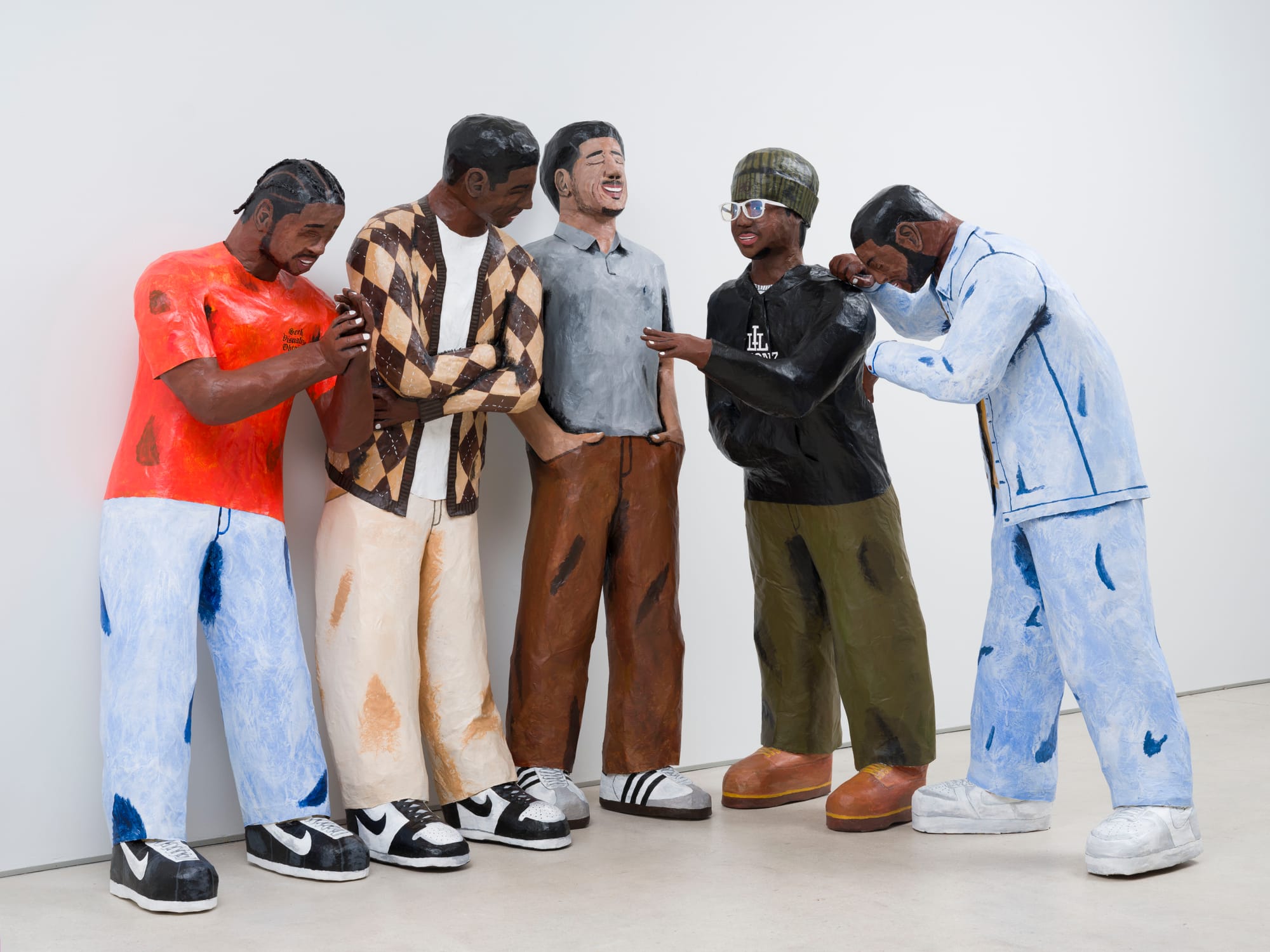
Despite it being the birthplace of hip hop and a graffiti hotbed — two major American cultural exports — the art world largely overlooks the Bronx. This biennial survey, presenting the work of the Bronx Museum’s Artist in Marketplace (AIM) fellows, redresses this erasure, granting the borough its rightful place within both the New York and national arts landscapes.
Read Seph Rodney’s review
From Now: A Collection in Context / Opening Exhibitions
Studio Museum in Harlem, 144 West 125th Street, Harlem, Manhattan
Through Aug. 16
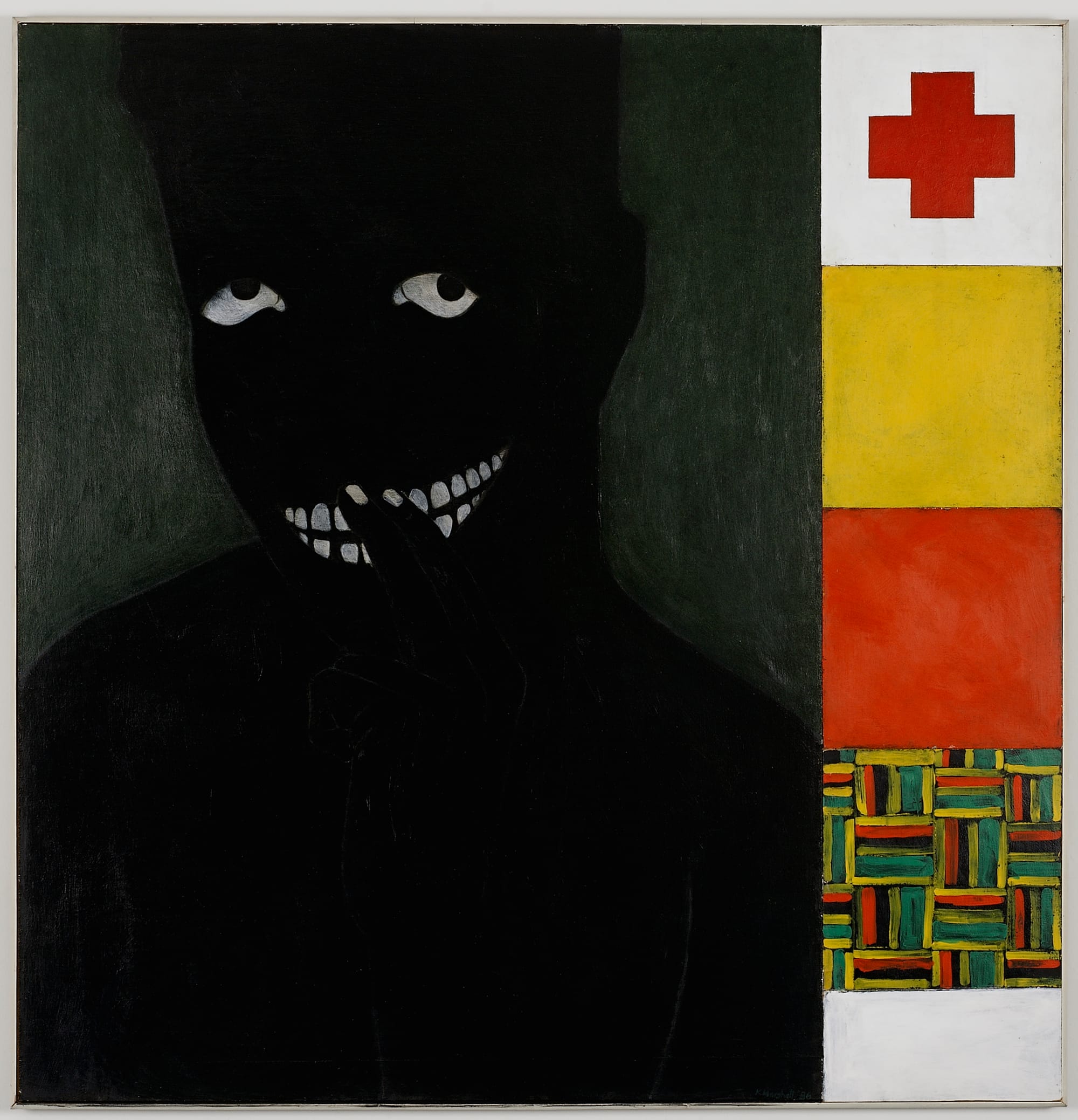
From Jean-Michel Basquiat and Emma Amos to Isaac Julien and Simone Leigh, the Studio Museum in Harlem is home to work by over 800 artists from across the Black diaspora. This rotating exhibition showcases a sample of their extensive collection, bringing different pieces and artistic voices into conversation, often for the first time.
Greater New York 2026
MoMA PS1, 22-25 Jackson Avenue, Long Island City, Queens
April 16–Aug. 17
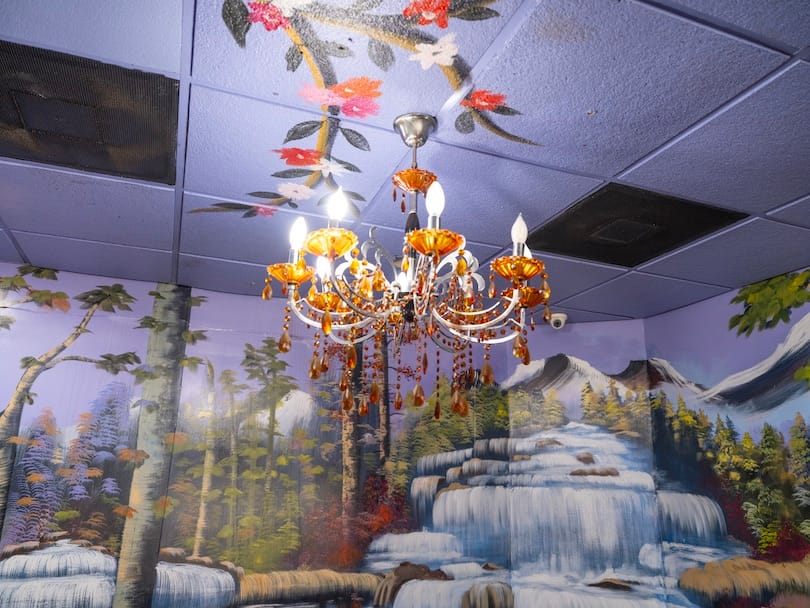
Returning for its sixth edition, just in time for MoMA PS1’s 50th anniversary, this beloved exhibition highlights artists who live and work right here in our city. Experience newly commissioned performances alongside artworks by Nickola Pottinger, Tiffany Sia, Farah Al Qasimi, and others who engage with the economic and technological forces that scaffold everyday life in New York City.
Here You Are: Staten Island Triennial
Staten Island Museum at Snug Harbor Cultural Center & Botanical Garden, 1000 Richmond Terrace, Building A, St. George, Staten Island
Ongoing
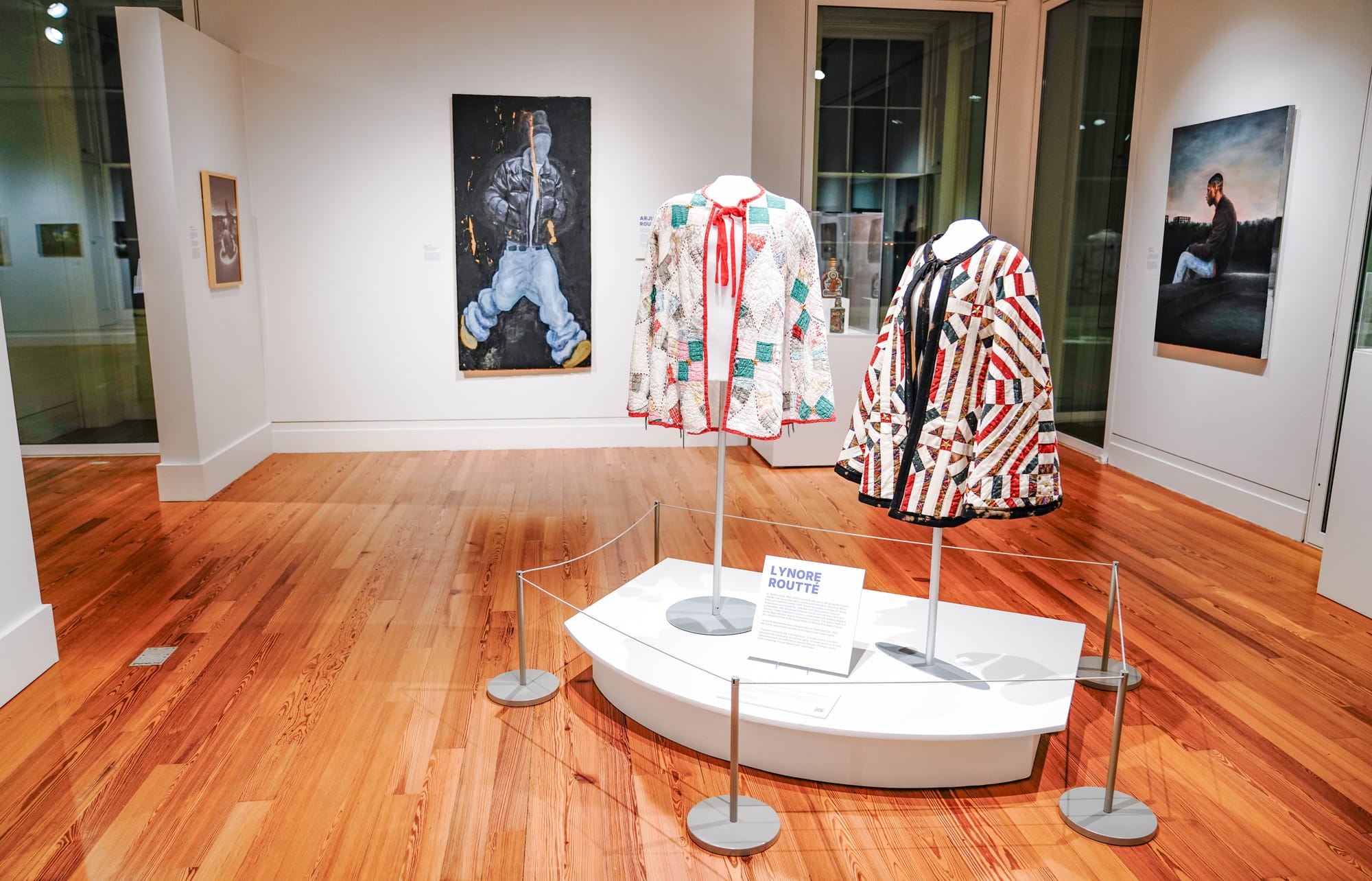
If you haven’t yet visited the Staten Island Museum, now is the time. For its second triennial, the oft-neglected borough’s phenomenal cultural institution gathers work by seven artists who call the island home, focusing on sites that evoke submerged, spectral, and layered histories.
Solo Shows
Hortensia Mi Kafchin: Through Different Eyes
Leslie-Lohman Museum of Art, 26 Wooster Street, Soho, Manhattan
Through Sept. 20
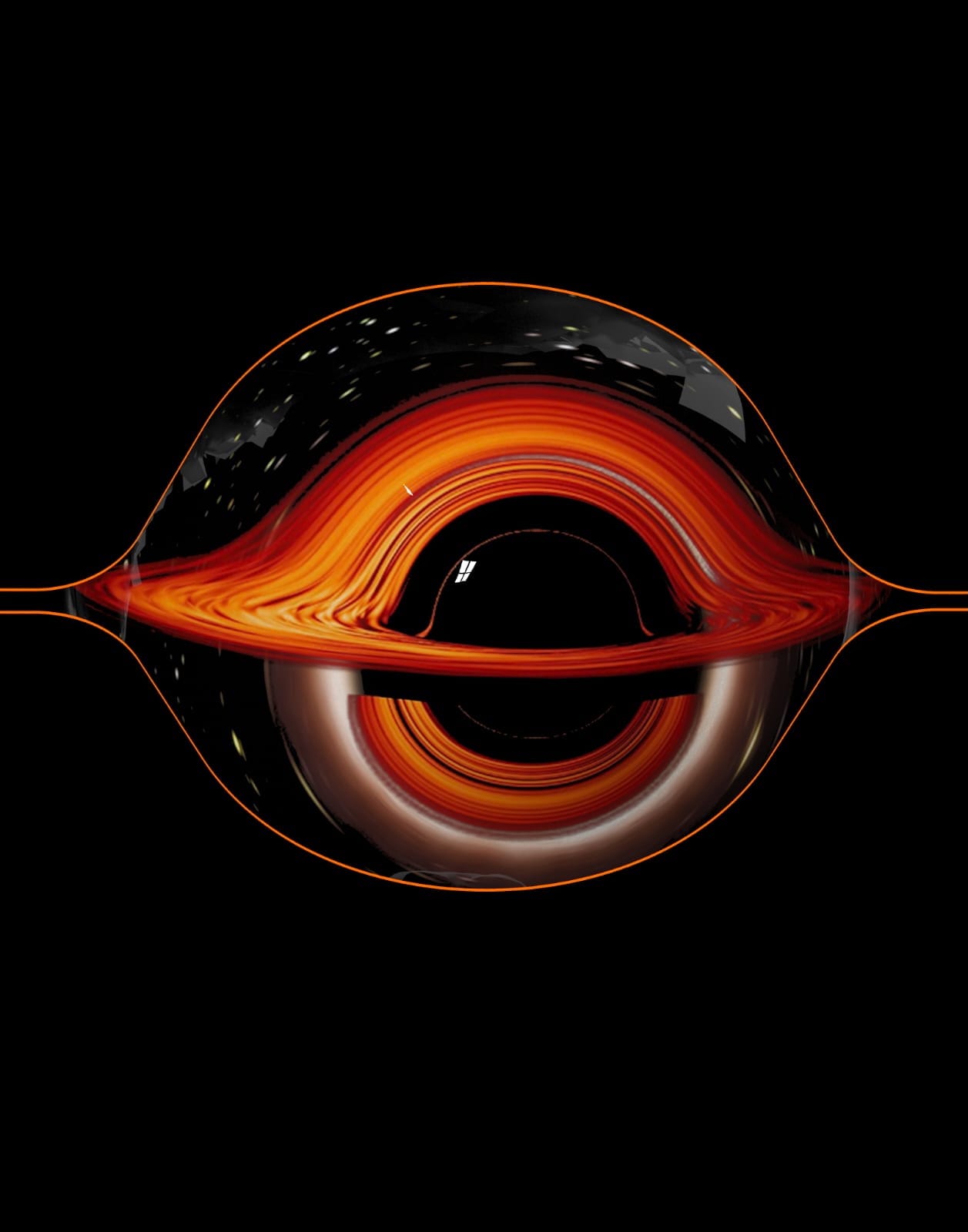
Eyes are the window to the soul — or, in this case, the portals to other worlds. Hortensia Mi Kafchin invites us to see anew with this three-channel film installation that cycles through images of human, cyborg, animal, and even planetary “eyes,” investigating fundamental questions of consciousness and perception that transcend the human experience.
Deborah Roberts: Consequences of being
FLAG Art Foundation, 545 West 25th Street, 9th Floor, Chelsea, Manhattan
Through April 25
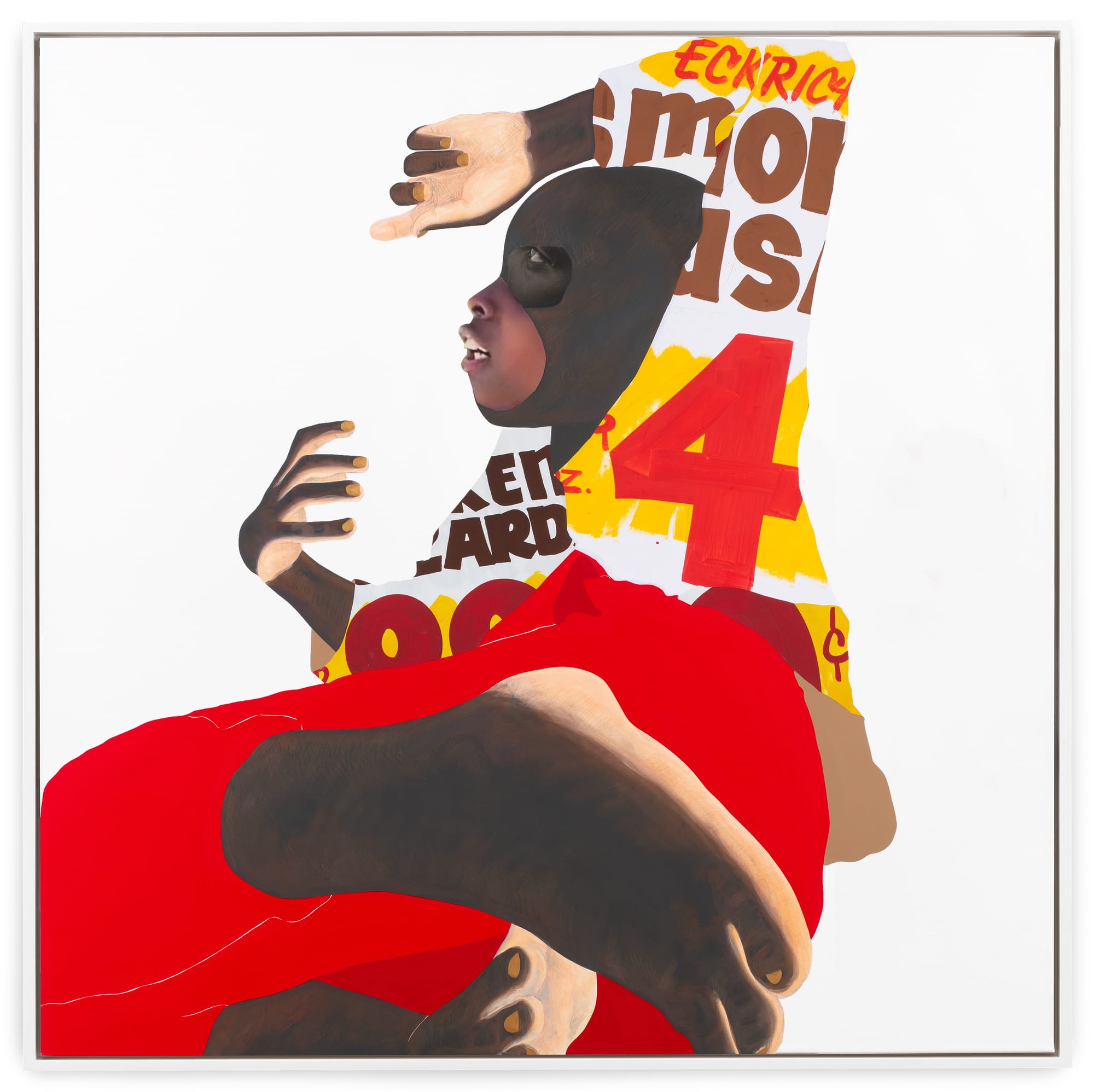
Through large-scale mixed-media collages that subvert stereotypes of Black identity, Deborah Roberts traces the reverberations of colonialism and other forms of global oppression. Noteworthy in this exhibition is the inclusion of “Zuri” (2025), a new ceramic bust of a young girl that marks Roberts’s recent foray into the medium.
Claes Oldenburg: Drawn from Life
Whitney Museum of American Art, 99 Gansevoort Street, West Village, Manhattan
Through April 27
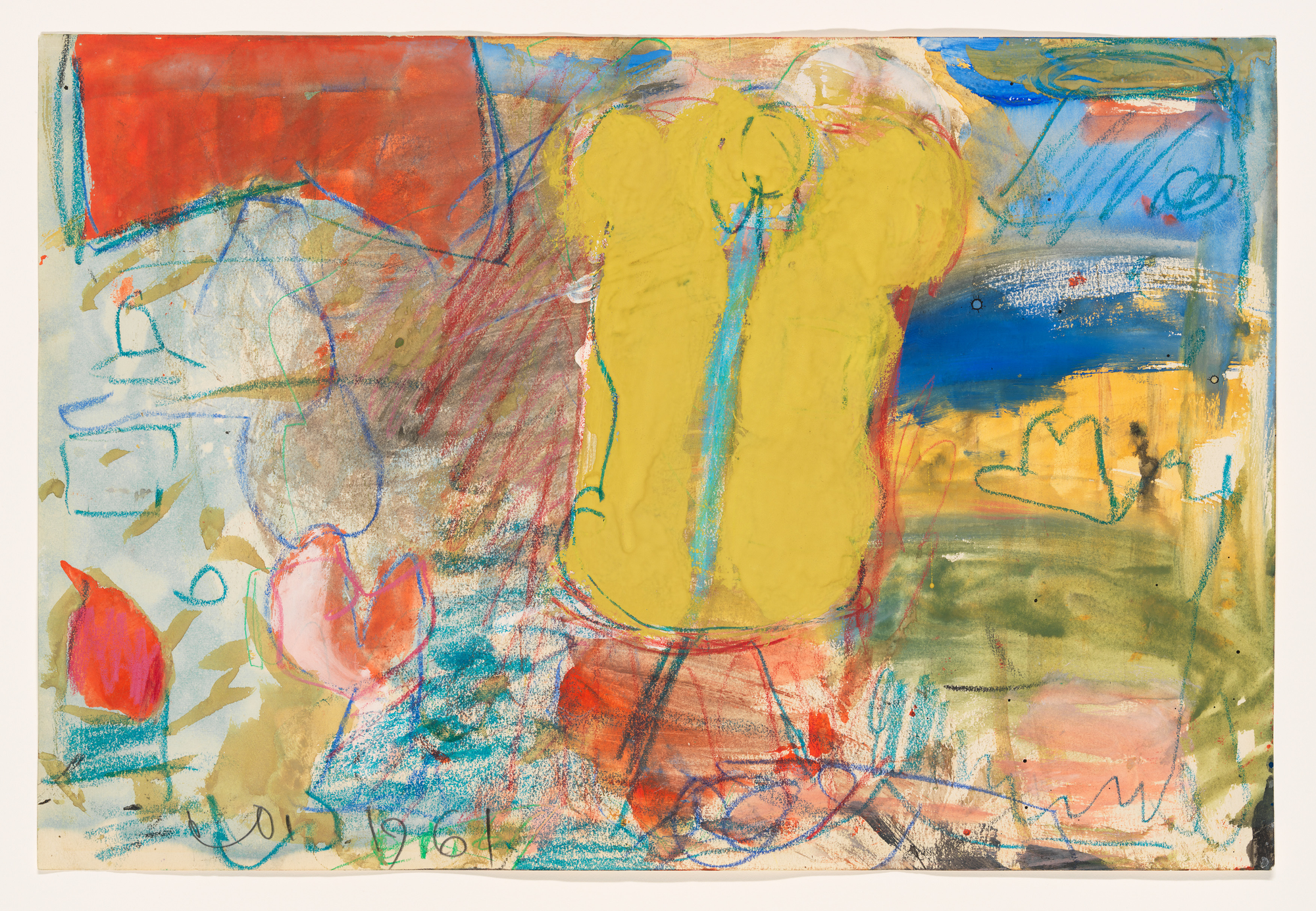
While Claes Oldenburg’s most celebrated works are his large-scale, soft sculptures of everyday items, drawings were central to his practice, as seen in this exhibition of charming works from the 1960s. Along with colorful sketches of items that became giant sculptures, the show presents some series that inspired important projects like “The Store” (1961–64), as well as monuments he never ended up creating.
Claudio Perna: Idea como Arte
Institute for Studies on Latin American Art, 142 Franklin Street, Tribeca, Manhattan
Through May 2
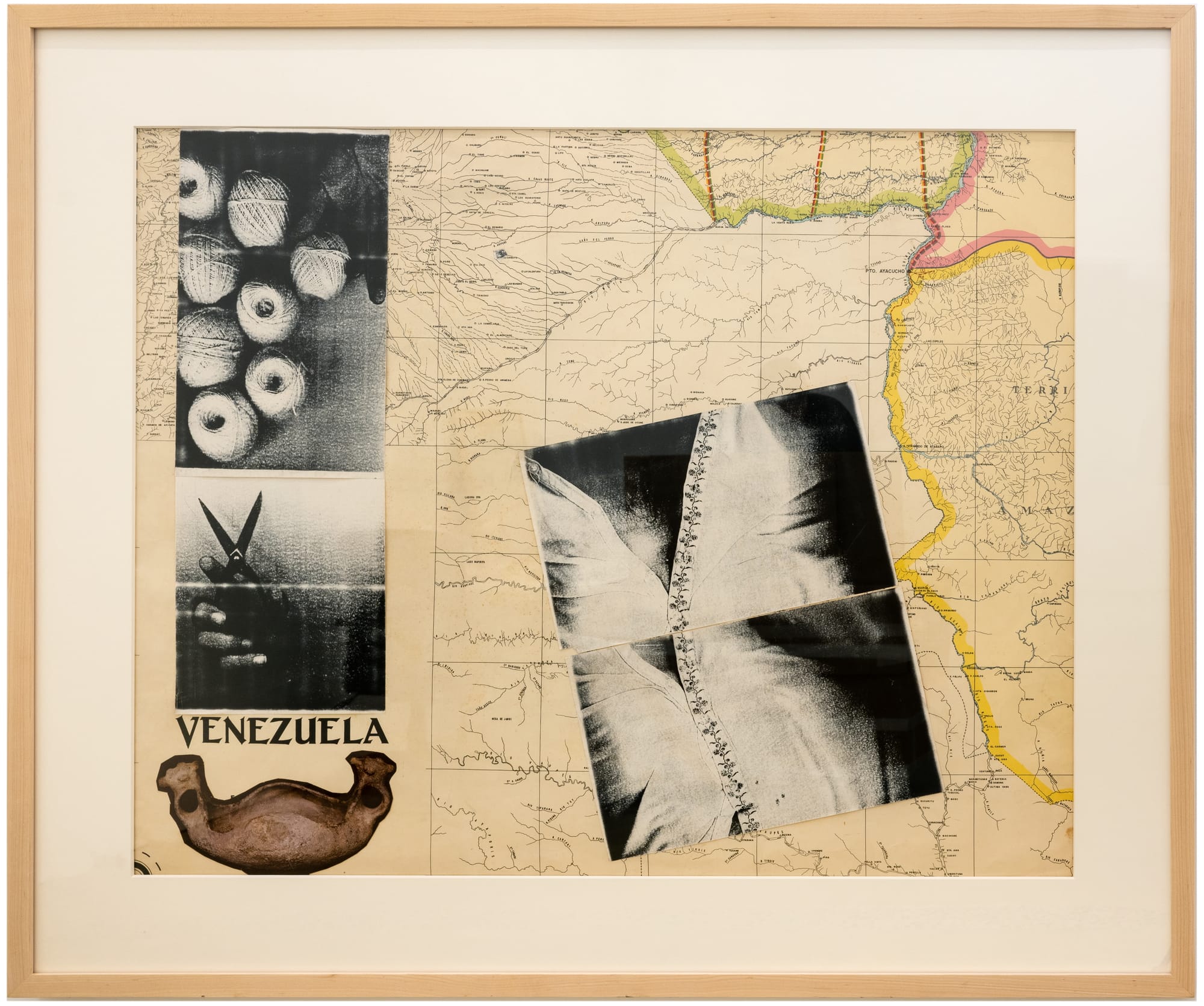
The late Venezuelan conceptual artist’s first solo presentation in New York brings together more than 40 works that trace key themes in his art. Photography, photocopies, maps, and more convey Perna’s interest in national identity, authorship, and knowledge circulation. Trained as a geographer, maps are central to his practice, as is his guiding principle of the “idea as art.”
Kawai Kanjirō: House to House
Japan Society, 333 East 47th Street, Midtown, Manhattan
March 10–May 10
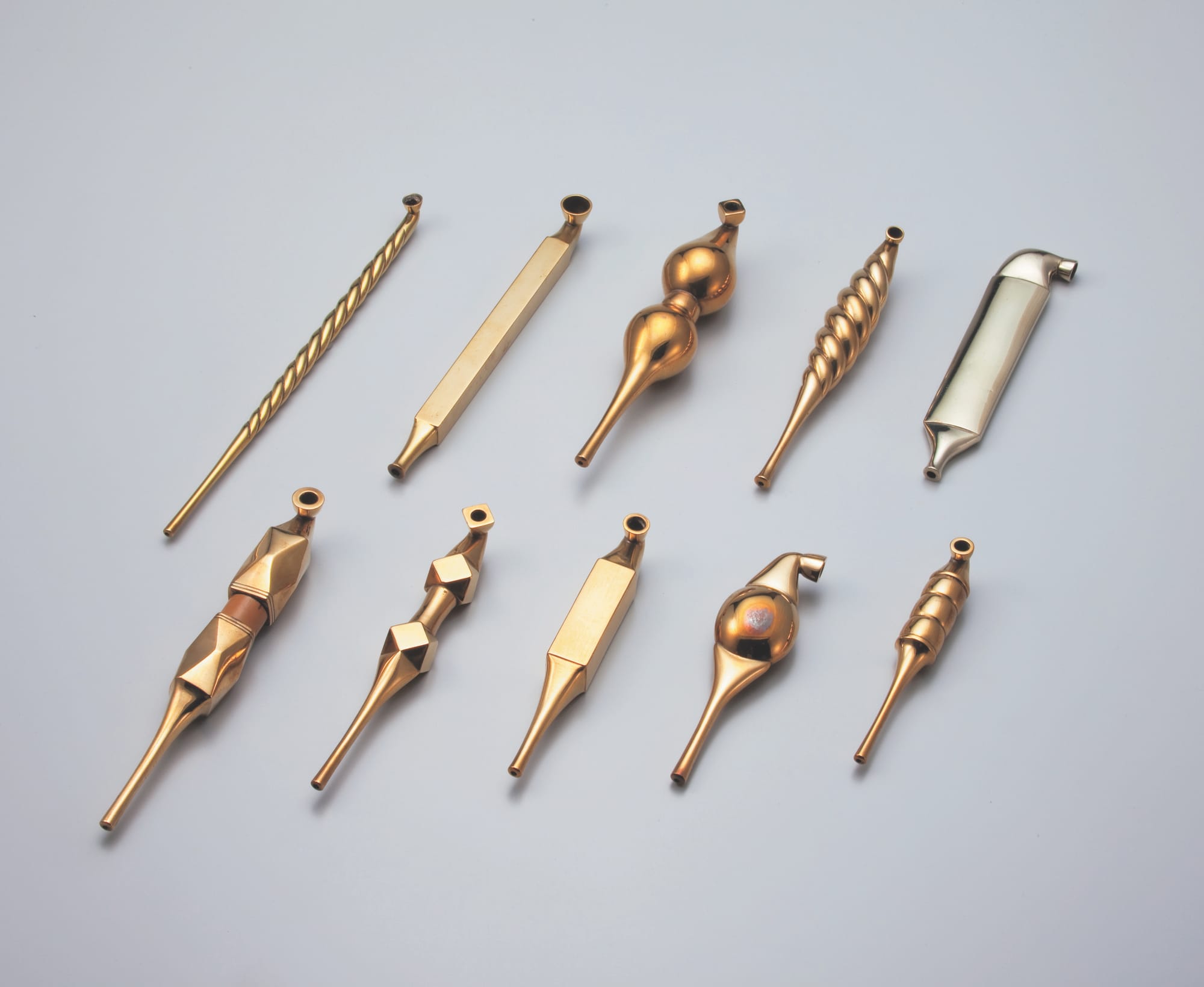
A trove of exquisite works by the late Kawai Kanjirō, co-founder of Japan’s folk art movement, arrives at Japan Society for his first solo US exhibition. House to House promises the rare gift of exploring the artist’s creative universe, from poetry to ceramics to woodworking, that still brims with life six decades after his death.
Kim Gordon: Count Your Chickens
Amant, 315 Maujer Street, East Williamsburg, Brooklyn
March 19–Aug. 16
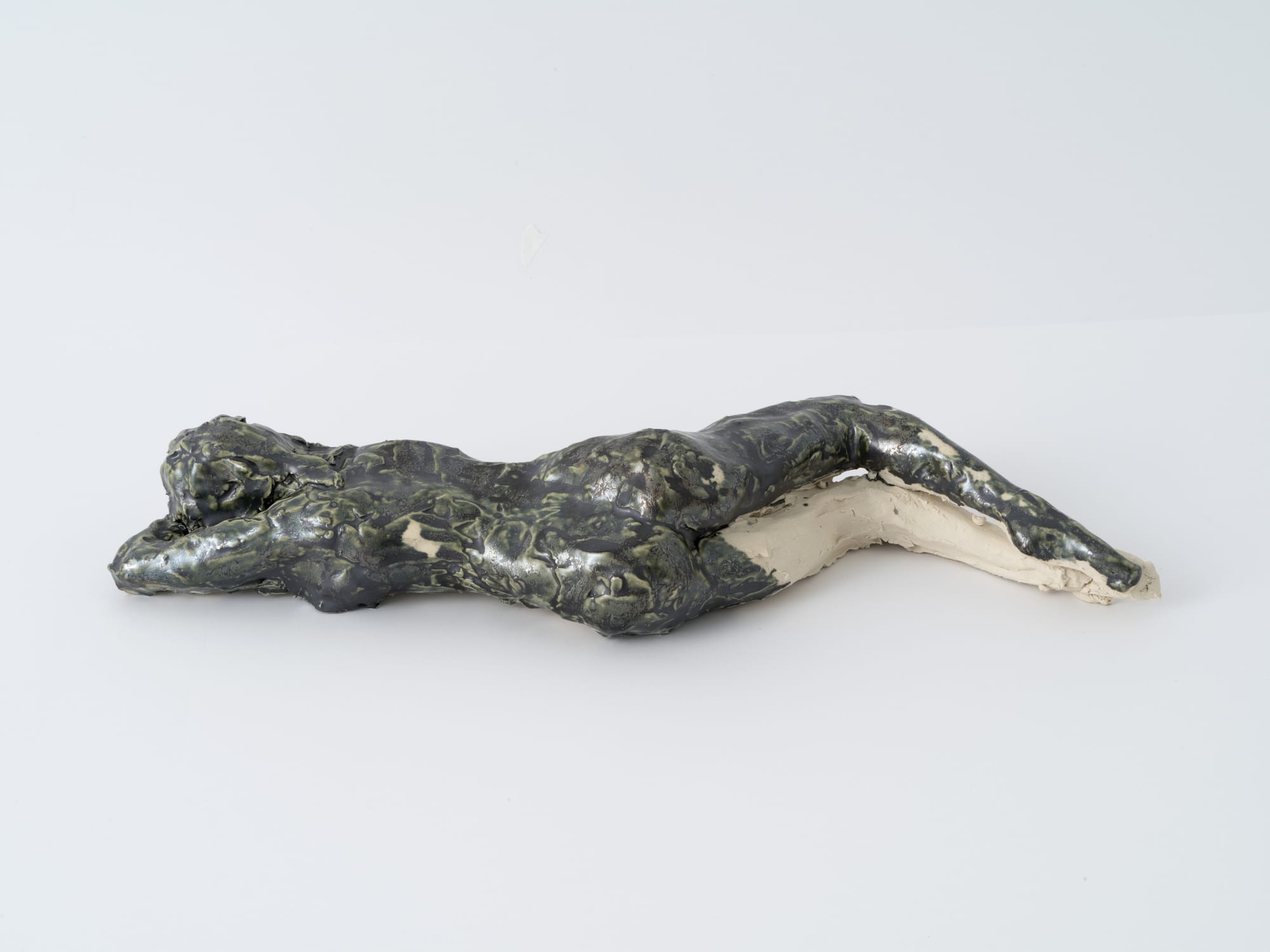
This survey of Sonic Youth bassist and co-founder Kim Gordon’s art practice includes ceramics, paintings, readymades, and drawings, plus a newly commissioned film she scored about the guitar as an instrument of seduction. With work spanning 2007 to the present, some of her favored materials and themes appear again and again in different forms: for instance, cocktail tables covered with spandex, faux hedges, and built environments.
David Lamelas: The Machine
Dia Chelsea, 537 West 22nd Street, Chelsea, Manhattan
March 6–Jan. 16, 2027
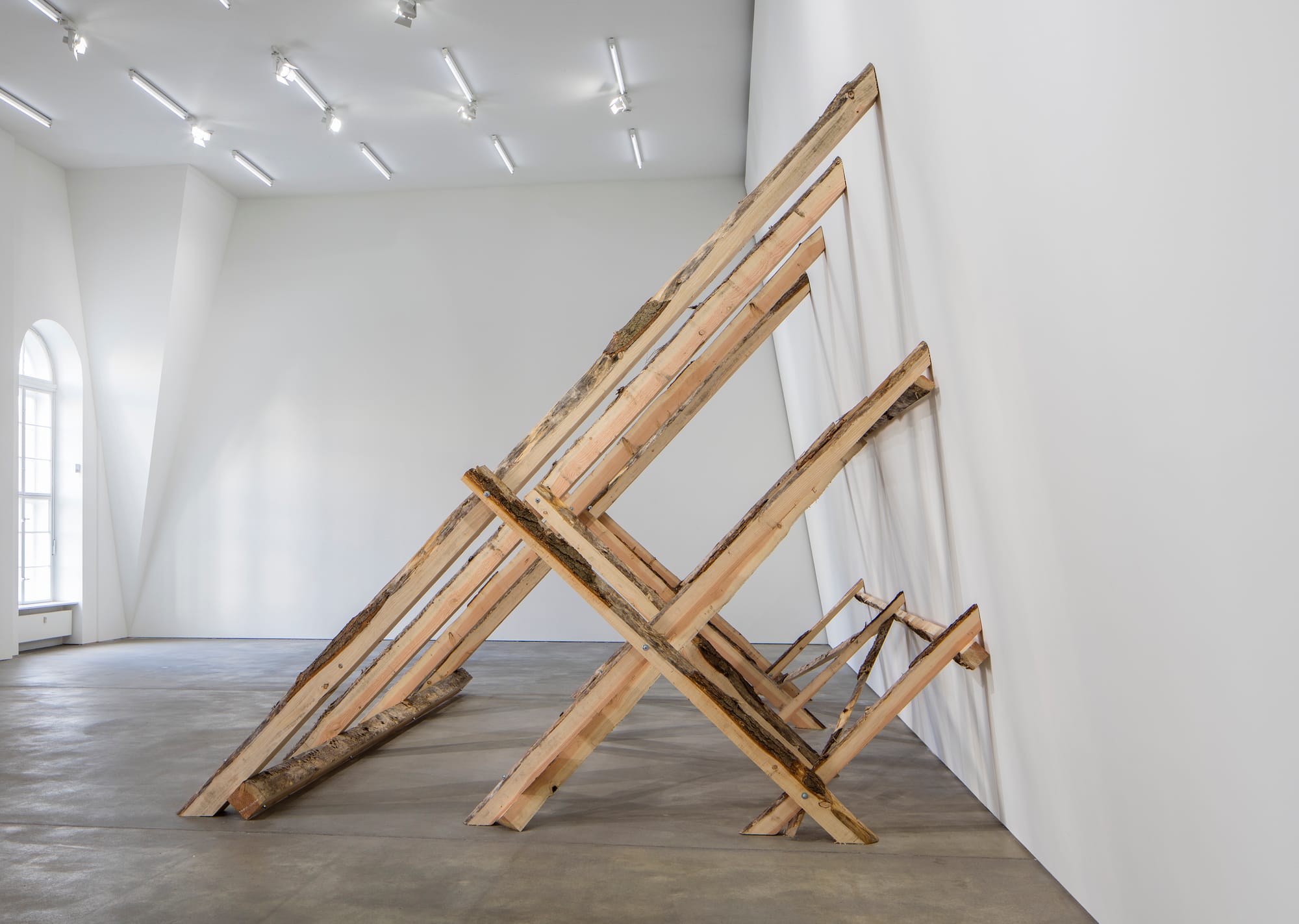
This career-spanning survey — Dia Chelsea’s first retrospective devoted to a Latin American artist — positions the Argentine-born polymath David Lamelas as a major figure of the late-20th-century avant-garde. Accompanied by a performance and a film program, it will trace Lamelas’s contributions to Pop, Minimalism, and Conceptualism, including pivotal works that question the limits of perception, time, and space.
Thematic Exhibitions
Kate Teale: Vanishing Points and Golnar Adili: To Measure the Emotions of Others
Smack Mellon, 92 Plymouth Street, Dumbo, Brooklyn
Through March 29
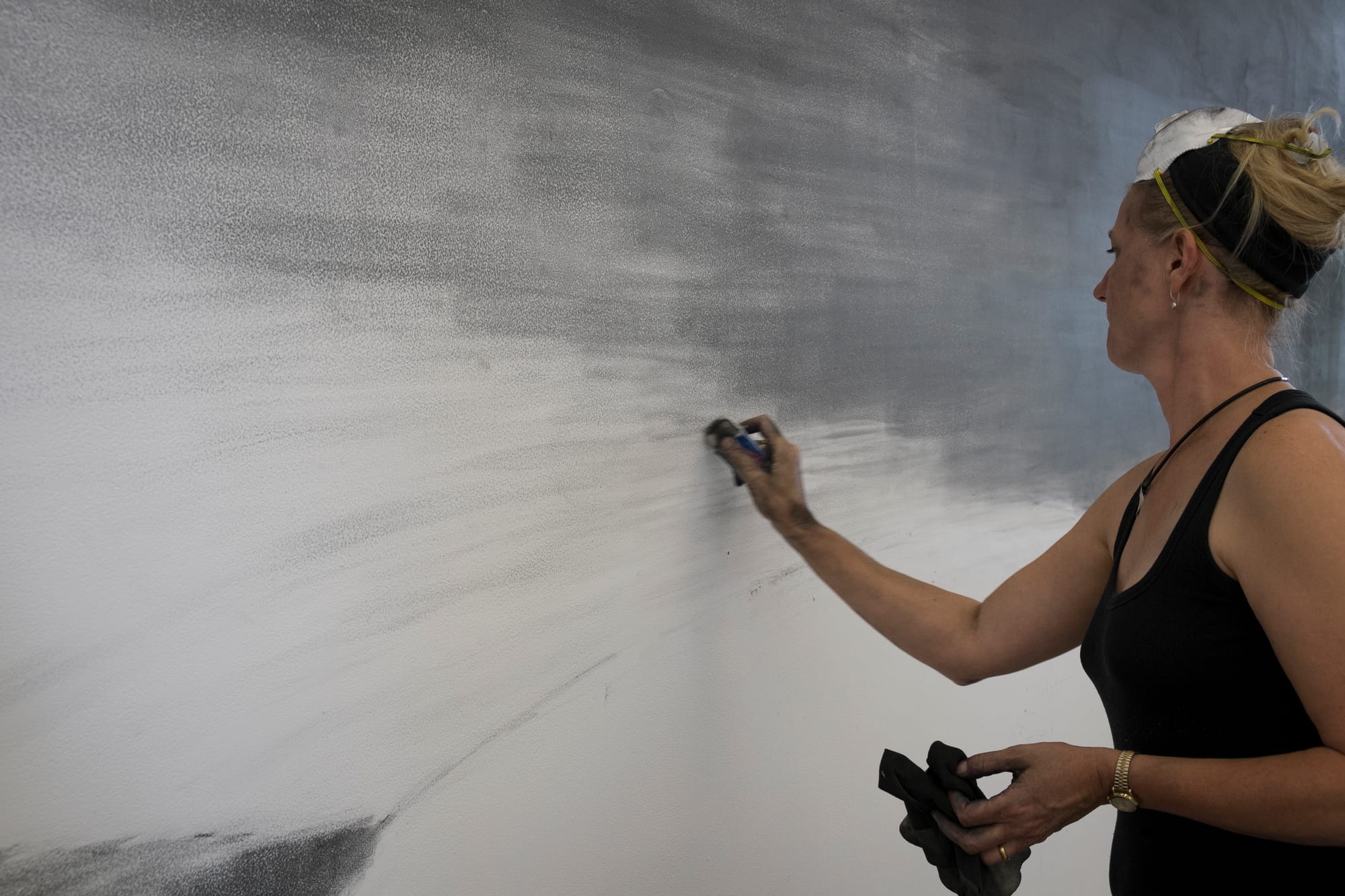
Handwriting takes on a life of its own in the work of Golnar Adili, who transforms letters written by her parents into vessels for displacement, familial memory, and the legacy of Iranian political persecution. Meanwhile, drawings by Kate Teale reimagine the art nonprofit’s back gallery as a meeting space of local history where Dumbo’s periods of industrialization and rapid gentrification collide.
The Mad MAD World of Jonathan Adler
Museum of Arts and Design, 2 Columbus Circle, Columbus Circle, Manhattan
Through April 19
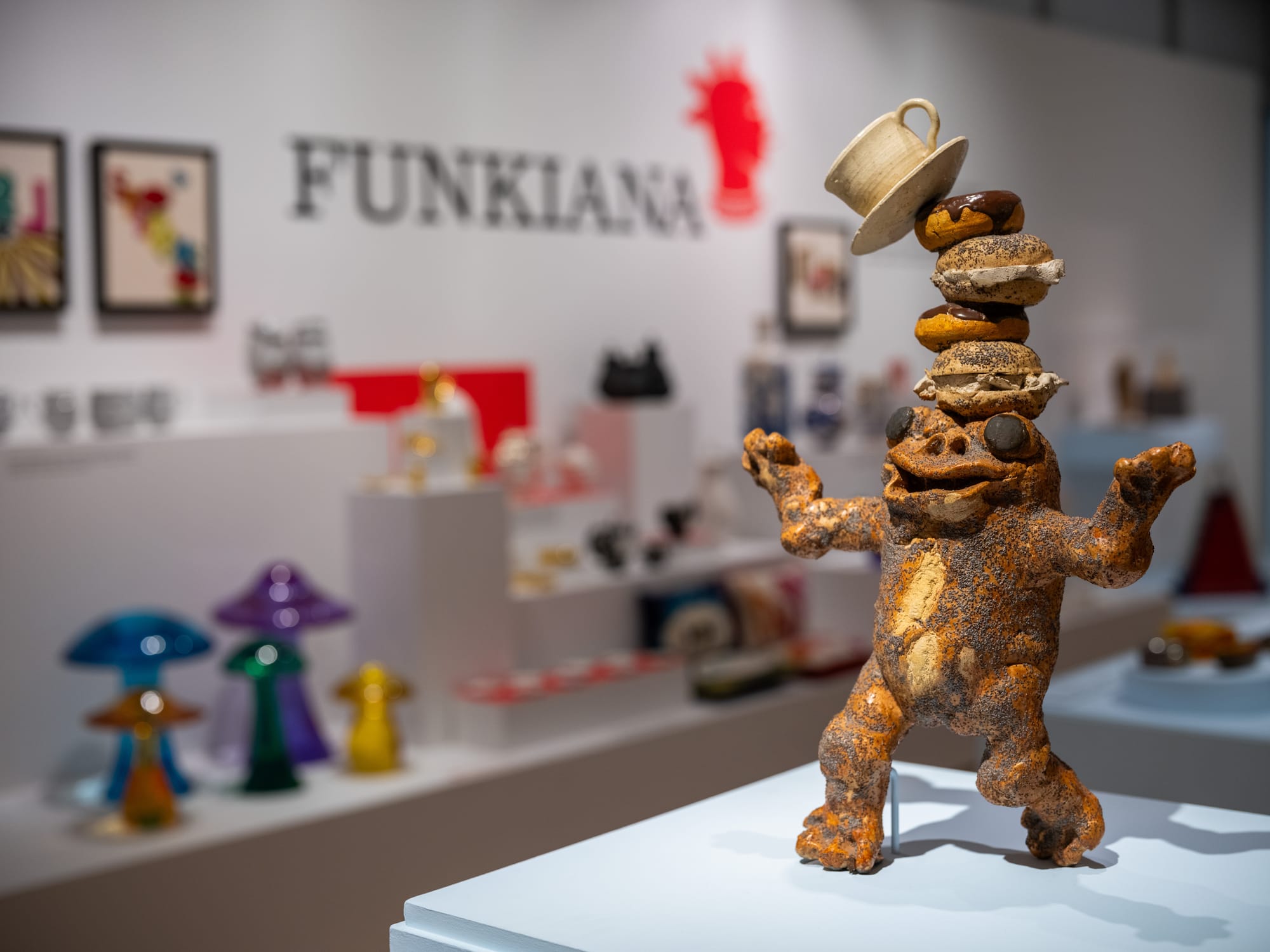
Enter the exuberant world of Jonathan Adler. The famed potter and interior designer pairs more than 60 items from the museum’s collection with his own creations, interweaving themes and categories such as mid-century modern ceramics, satirical and subversive objects, and even erotic items. Taken together, it’s a celebration of design’s full range and potential.
RugLife
Pratt Manhattan Gallery, 144 West 14th Street, West Village, Manhattan
Through May 23
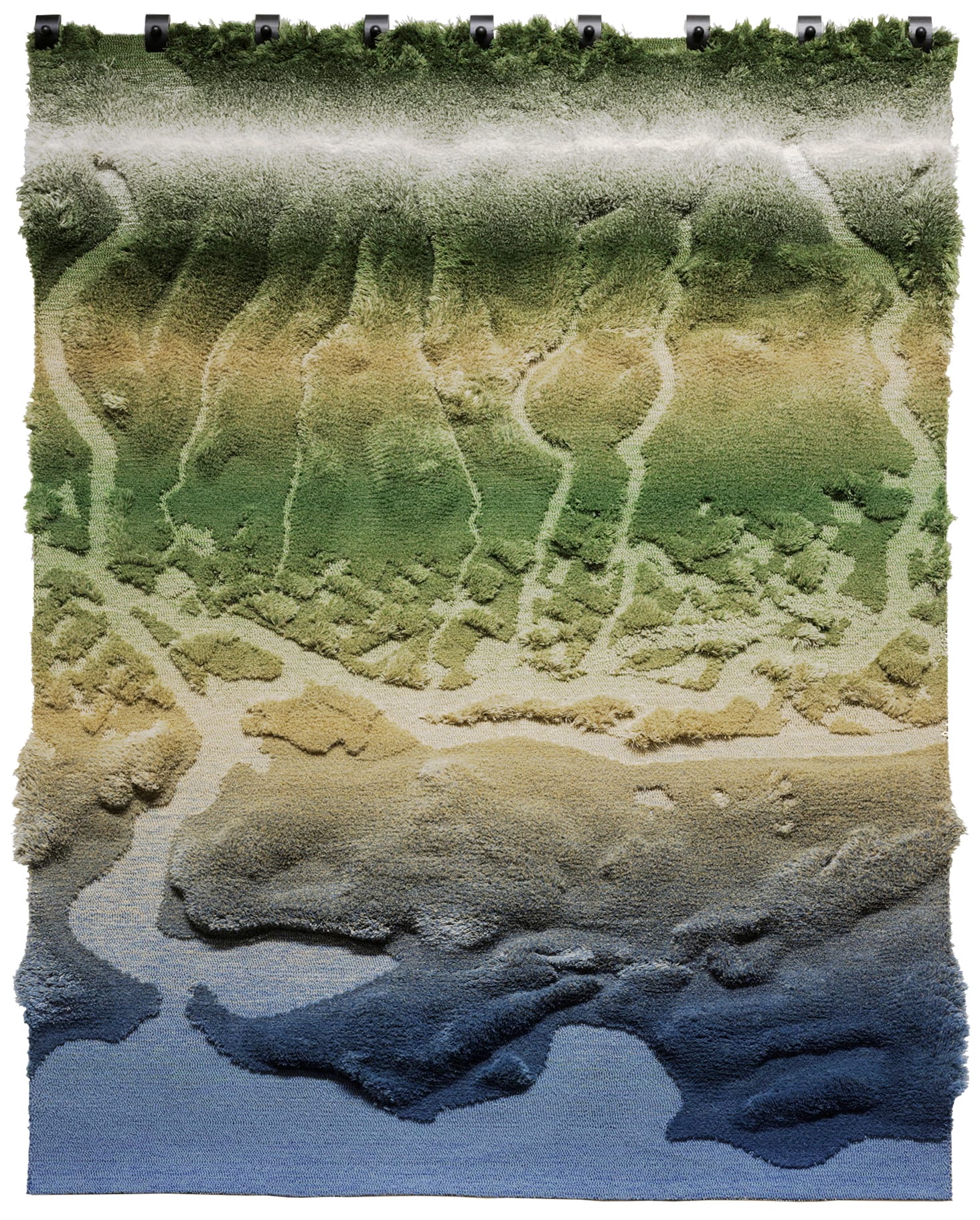
This group exhibition presents 14 artists who utilize the rug in its functional, historical, and material capacities to consider questions of culture, history, migration, faith, justice, and ecology. Featuring work from Ali Cha’aban, Ai Weiwei, Nicholas Galanin, Sonya Clark, and Stephanie Saadé, among others, RugLife is sure to warp common conceptions of the object’s purpose, makeup, and boundaries.
Clearly Indigenous: Native Visions Reimagined in Glass
National Museum of the American Indian, One Bowling Green, Financial District, Manhattan
Through May 29
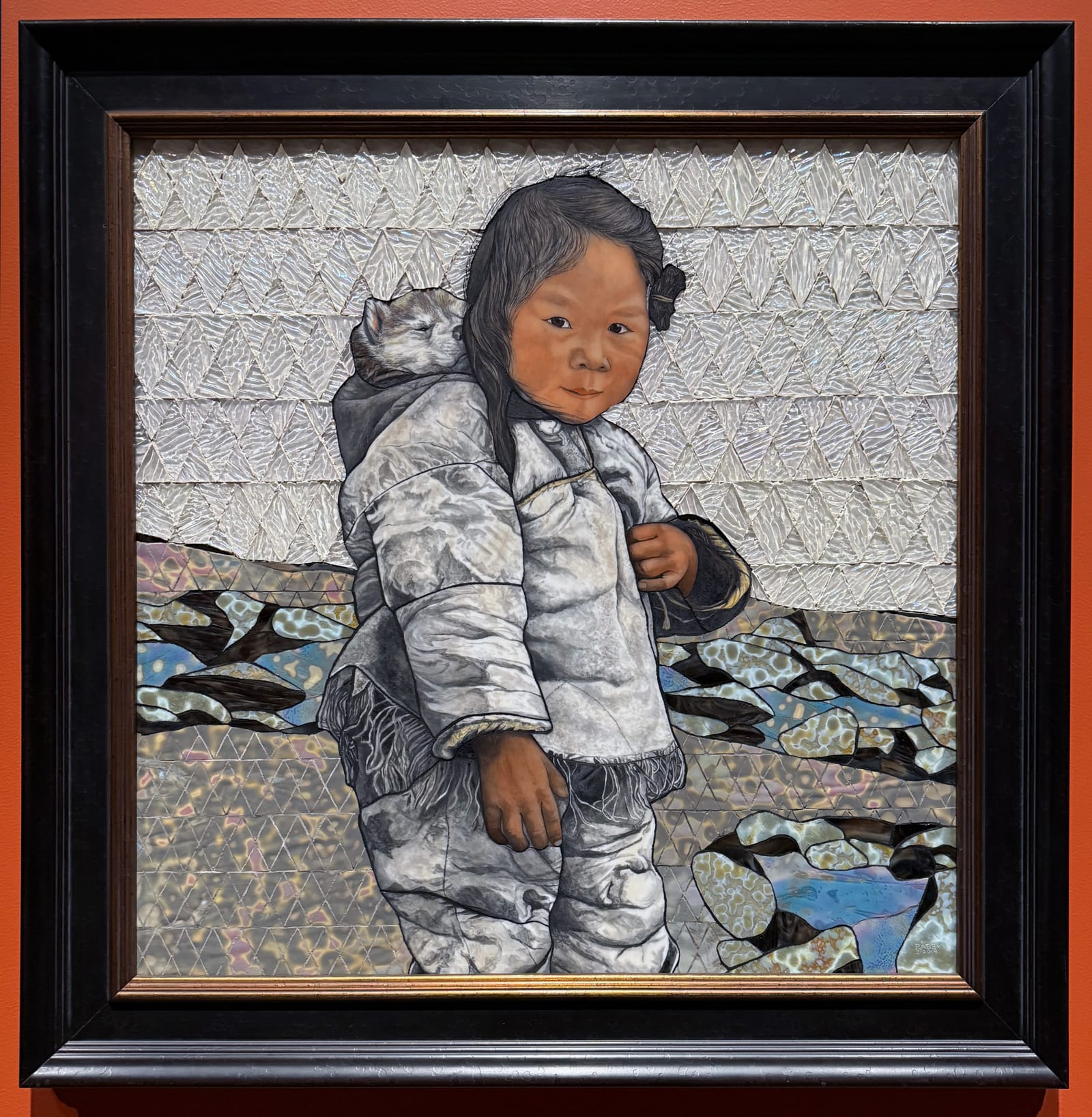
This exhibition looks at the vast range of glassworks by Indigenous artists across 45 years. A stained glass portrait by Angela Babby (Oglala Lakota) and the icy “Killer Whale Totem” (2018) by Preston Singletary (Tlingit) are just two of the many standout works. Clearly Indigenous also pays tribute to legendary glass artist Dale Chihuly. Though not Indigenous, he established the first glass program at Santa Fe’s Institute of American Indian Arts.
Tromarama: Upon a Machine
The Kitchen, Westbeth Artists Housing, 163B Bank Street, 4th Floor Loft, West Village, Manhattan
April 23–June 13
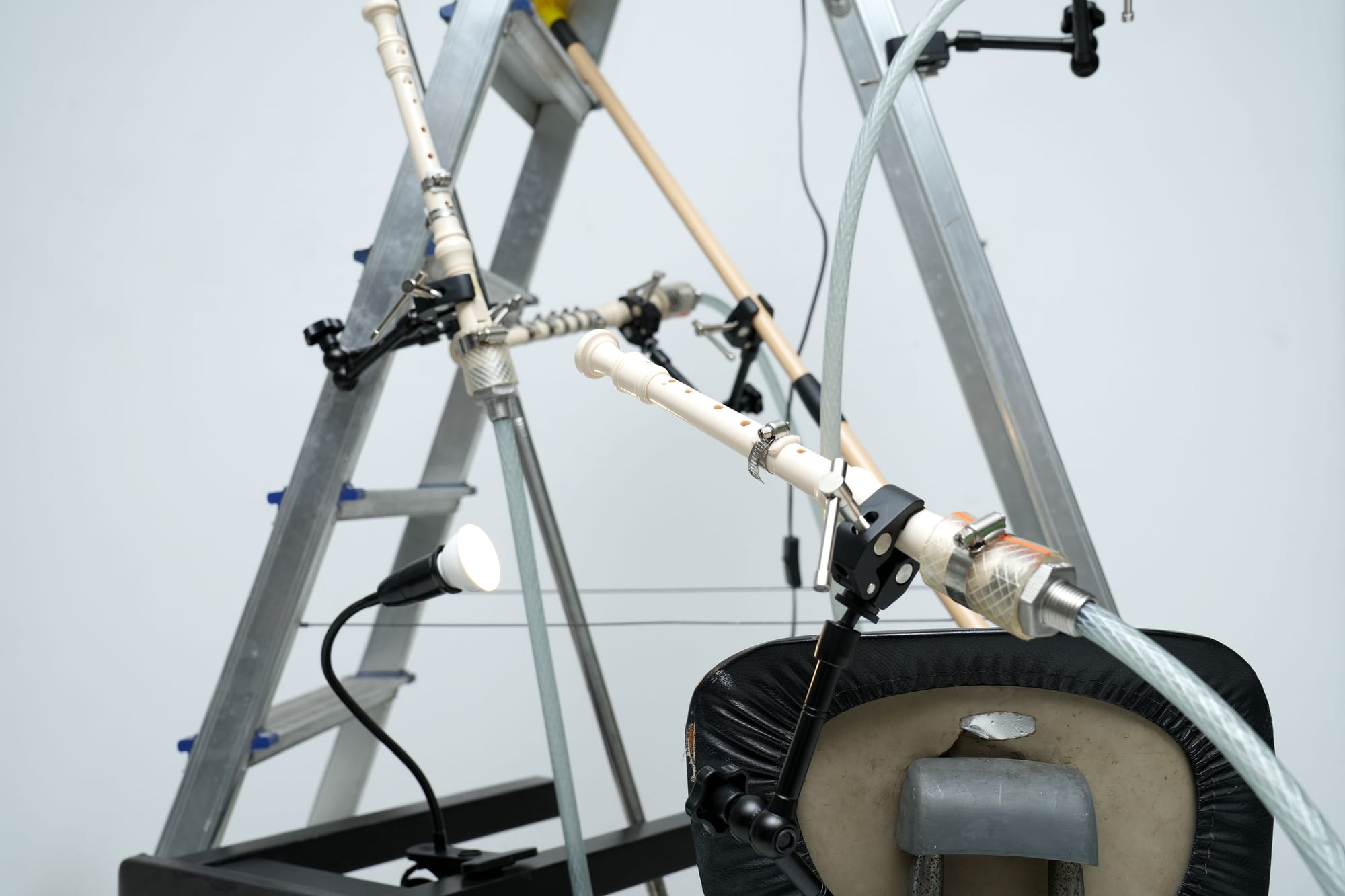
Tromarama’s first institutional exhibition in the US continues the Indonesian collective’s investigation into the gray area between leisure and labor using artificial intelligence. It may sound high-concept, but they keep things interesting by anchoring the installation with unexpected references that combine pop culture and Marxism.
Photography & Video
Robert Rauschenberg’s New York: Pictures from the Real World
Museum of the City of New York, 1220 Fifth Avenue, East Harlem, Manhattan
Through April 19
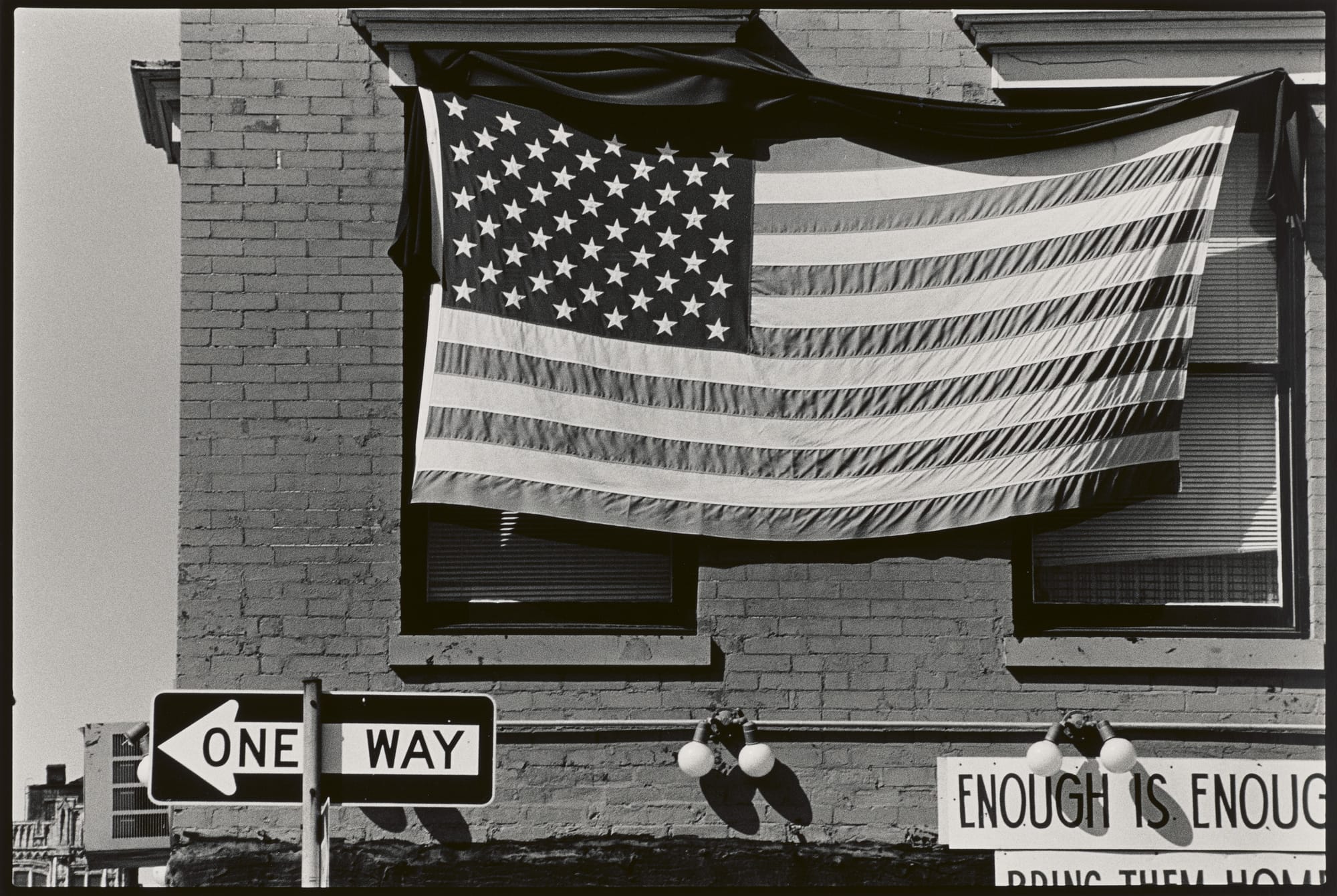
In celebration of the 100th anniversary of Rauschenberg’s birth, this exhibition focuses on photography, which was fundamental to his work in the form of collaged integrations, and as a separate practice that ran parallel to, and even influenced, his more famous assemblages. One of the show’s main takeaways is how much this important postwar American artist’s loved the real world, from portraits of people to his fascination with New York City’s signage.
HARD COPY NEW YORK
International Center of Photography, 84 Ludlow Street, Lower East Side, Manhattan
Through May 4
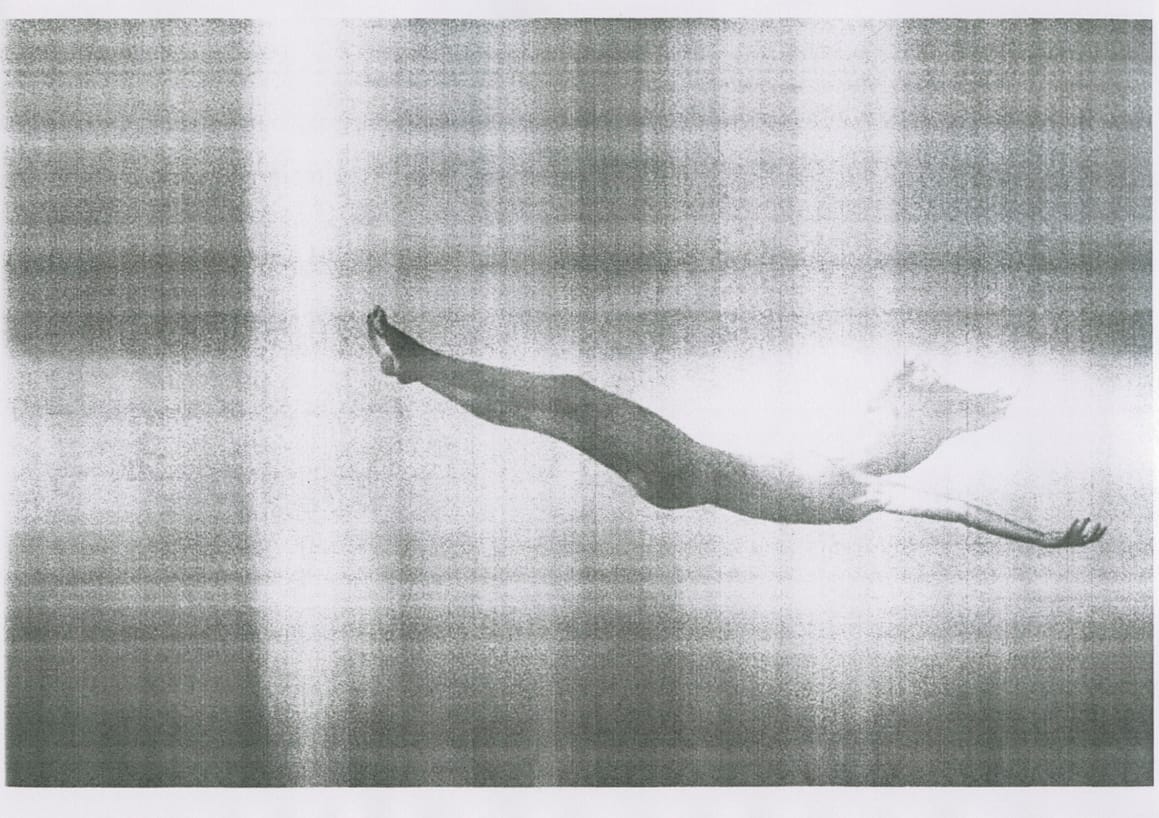
Yes, photocopies are works of art, and Aaron Stern’s ongoing project is all the proof you need (pun intended). Alongside co-curator David Campany, Stern welcomes the 15 artists in this show to expand upon his long-running exploration of the democratic, radical nature of photocopied imagery in an era of digital overwhelm and surveillance.
Eugène Atget: The Making of a Reputation
International Center of Photography, 84 Ludlow Street, Lower East Side, Manhattan
Through May 4
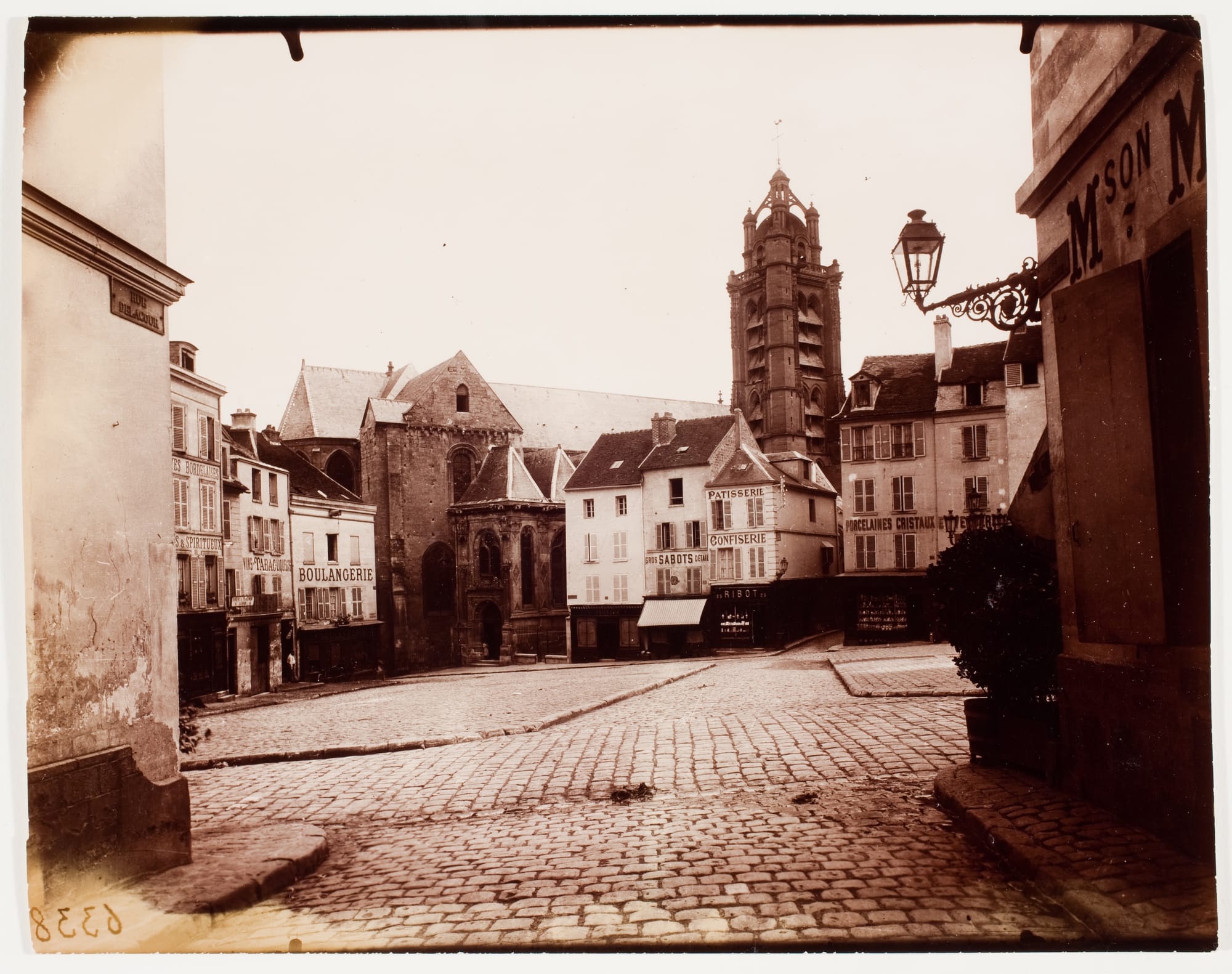
Journey through a bygone Paris via the atmospheric photographs of Eugène Atget, who documented the city’s evolution from the late 19th century to the First World War and its aftermath. Much of his legacy, however, owes to his fellow photographer Berenice Abbott. Her dedication to preserving, archiving, and honoring his body of work finally gets its due in The Making of a Reputation.
Read Julia Curl’s review
BRIClab Video Art: 2024–25
BRIC, 647 Fulton Street, Fort Greene, Brooklyn
Through May 16
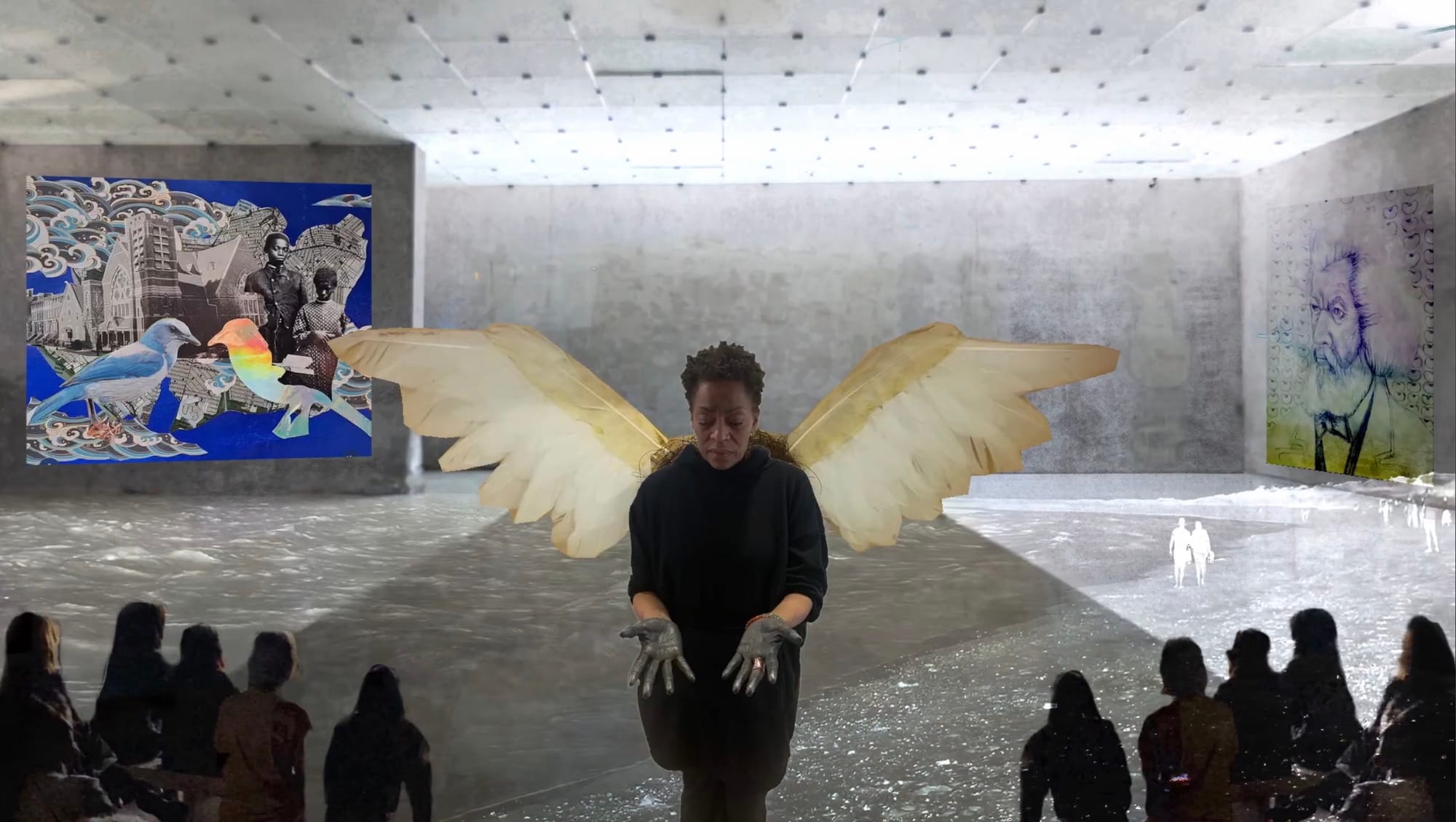
This exhibition of films presents works-in-progress by seven artists who took part in the 2024–25 BRIClab Video Art Residency. While these films highlight the artists’ individual voices, they also speak to the range of creative possibilities the medium offers and the roles of mentorship and community in art making.
Ideas of Africa: Portraiture and Political Imagination
Museum of Modern Art, 11 West 53rd Street, Midtown, Manhattan
Through July 25
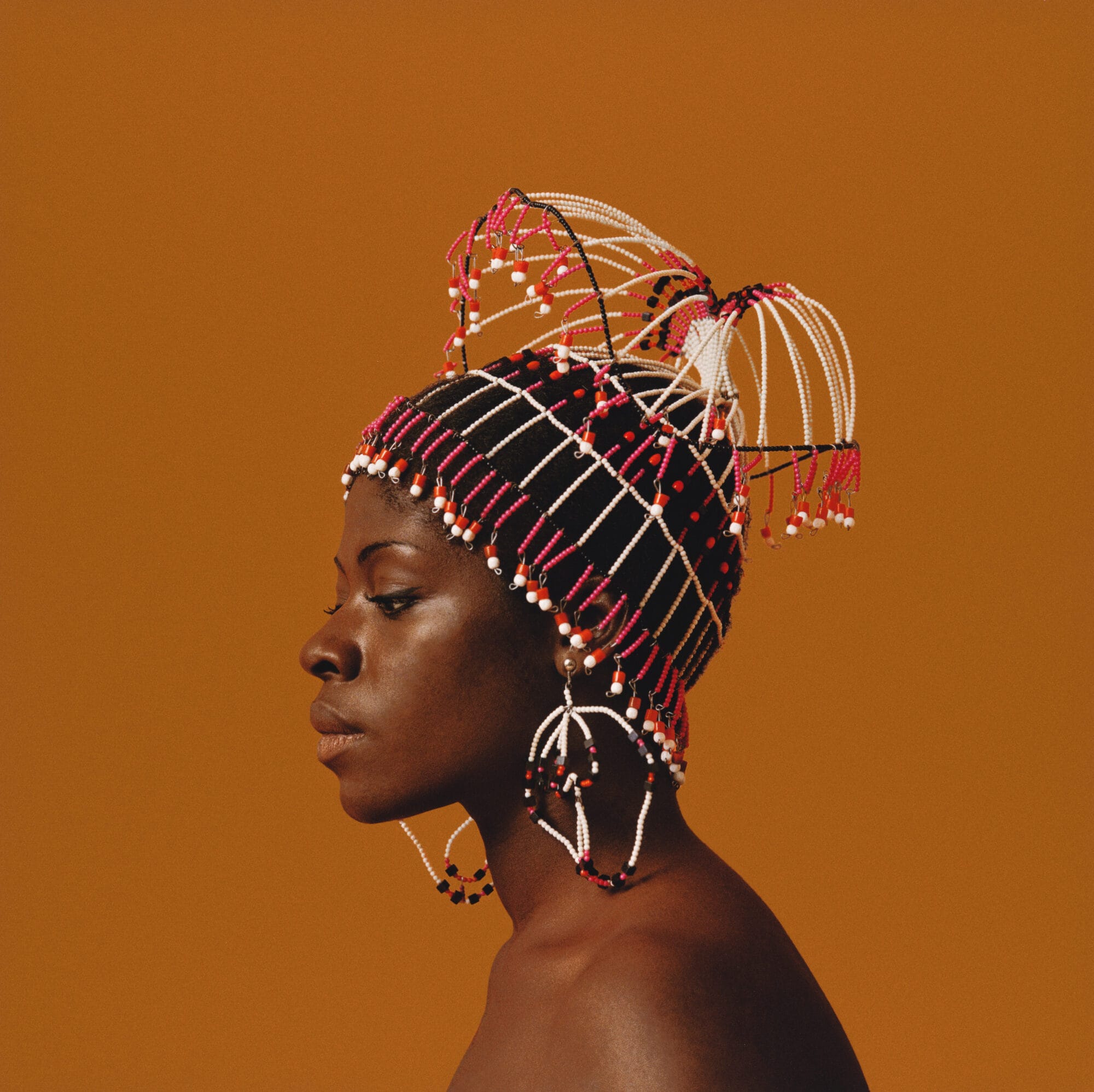
Photography has long been a powerful tool for building political consciousness, especially during the Pan-African solidarity movement in the mid-20th century. This invigorating exhibition maps these enduring artistic pathways and exchanges through works by contemporary artists, such as Njideka Akunyili Crosby, as well as giants of African and Black diasporic photography, including Seydou Keïta and Kwame Brathwaite.
Sophie Rivera: Double Exposures
El Museo del Barrio, 1230 Fifth Avenue, East Harlem, Manhattan
April 23–Aug. 2
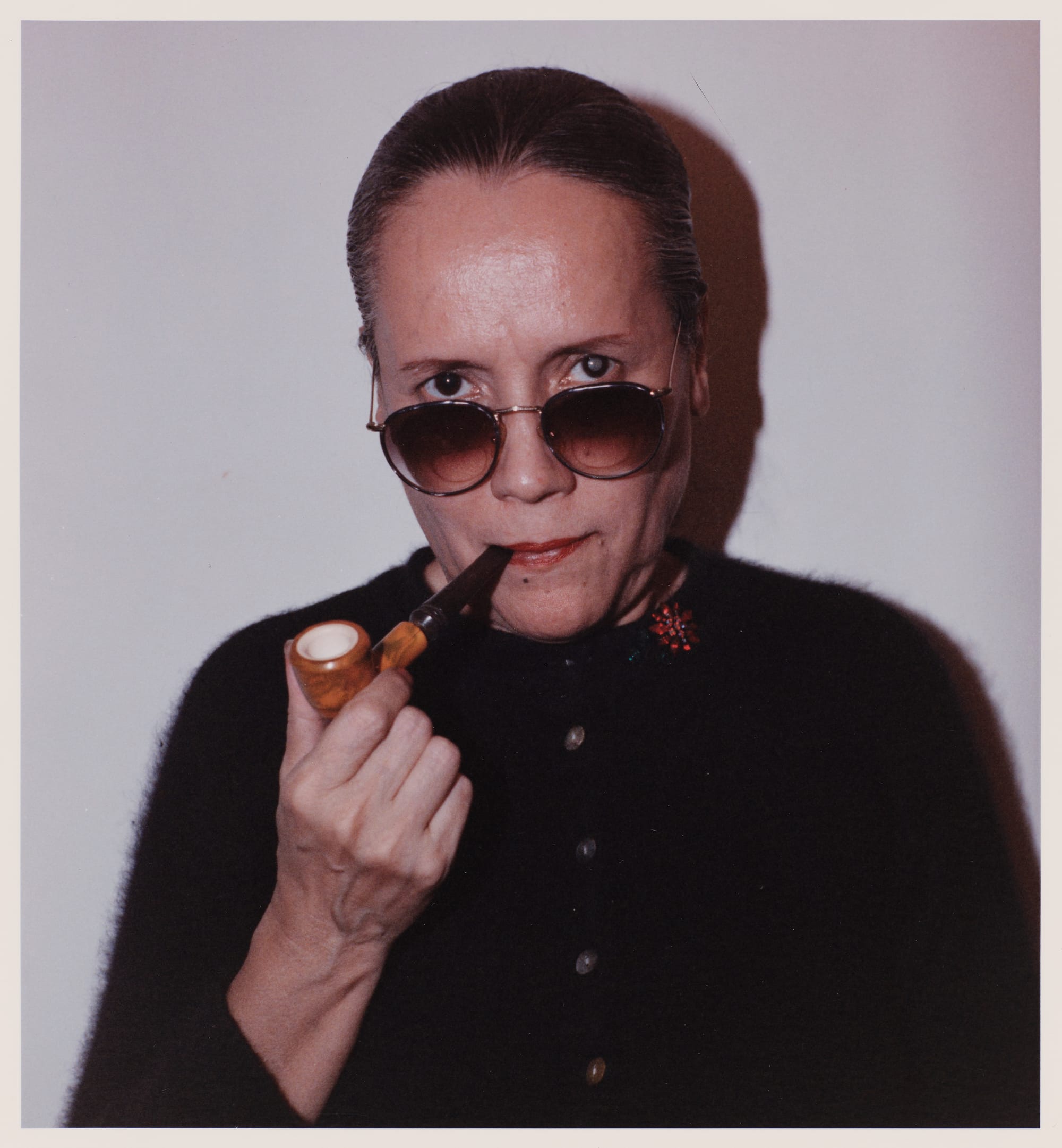
This is (somehow) the first museum survey of the late Nuyorican photographer Sophie Rivera, active in New York from the 1970s through the ’90s. She had a deep connection to this museum — it hosted her first solo exhibition four decades ago, and others that she curated. Double Exposures spans her practice, from formally experimental portraits to documentary images of the city’s graffiti and subway scenes.
Made in America: The Industrial Photography of Christopher Payne
Cooper Hewitt, Smithsonian Design Museum, 2 East 91st Street, Upper East Side, Manhattan
Through Sep. 27
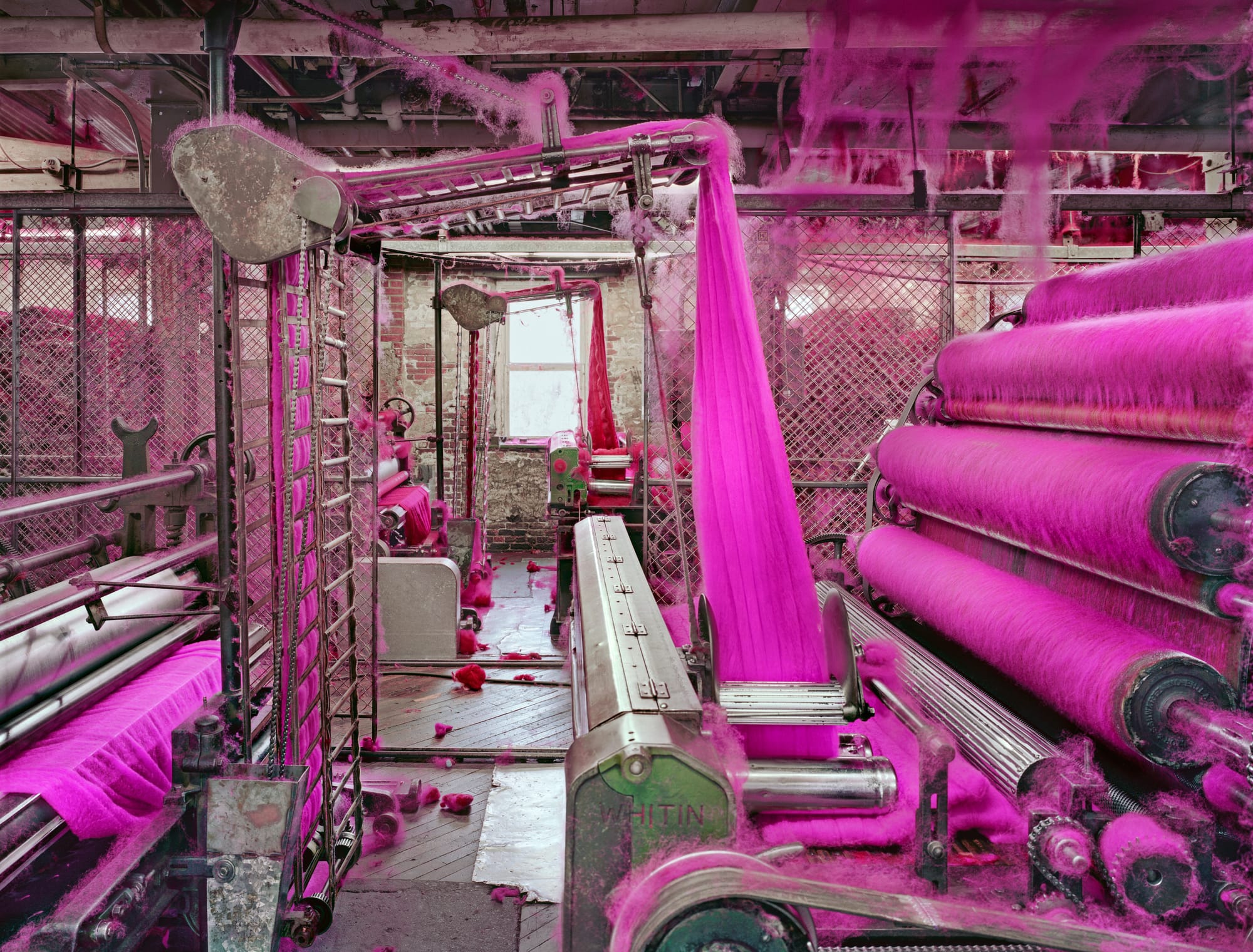
For 10 years, Christopher Payne meticulously photographed the manufacture of pinball machines, airplanes, instruments, and other objects we might not associate with capital-A “Art,” which is precisely the point. Challenging notions of craft versus fine art, along with skill and design, this show interweaves the underacknowledged labor of artisanal makers with Payne’s own incisive photography.
Hujar: Contact
Morgan Library & Museum, 225 Madison Avenue, Midtown, Manhattan
May 22–Oct. 25
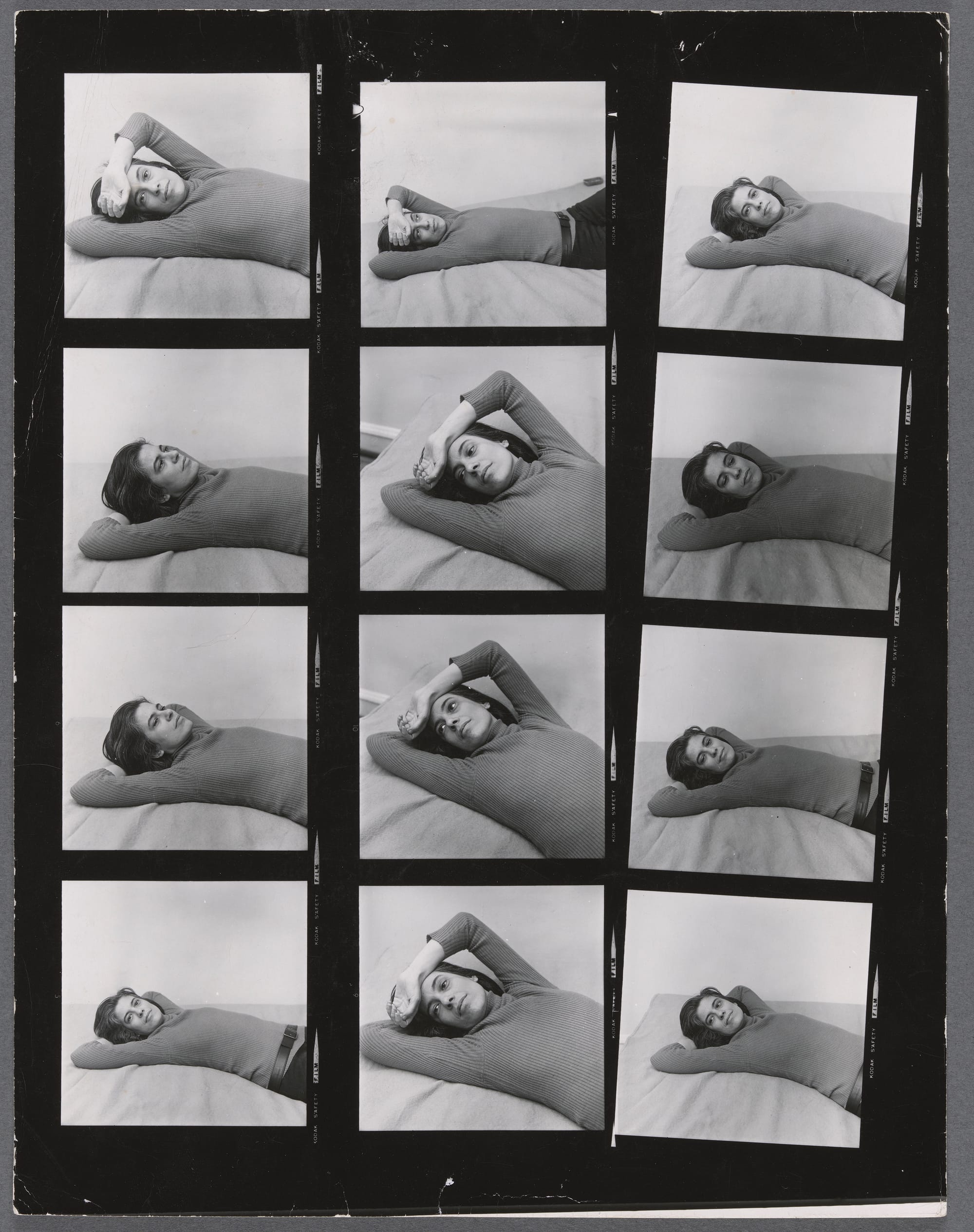
Drawing our attention to the contact sheets from which Peter Hujar ultimately chose his enlargements, this show brings us into the mind of the seminal photographer and the processes behind his iconic images. These thumbnail images from 110 sheets (out of 5,700-plus from the Morgan’s collection) offer a novel, intimate narration of Hujar’s growth and evolution, from his role in the gay liberation movement to the many writers, artists, and performers in his community.
About Us: The American Imaginary
Queens Museum, Flushing Meadows, Corona Park, Queens
Through Dec. 6
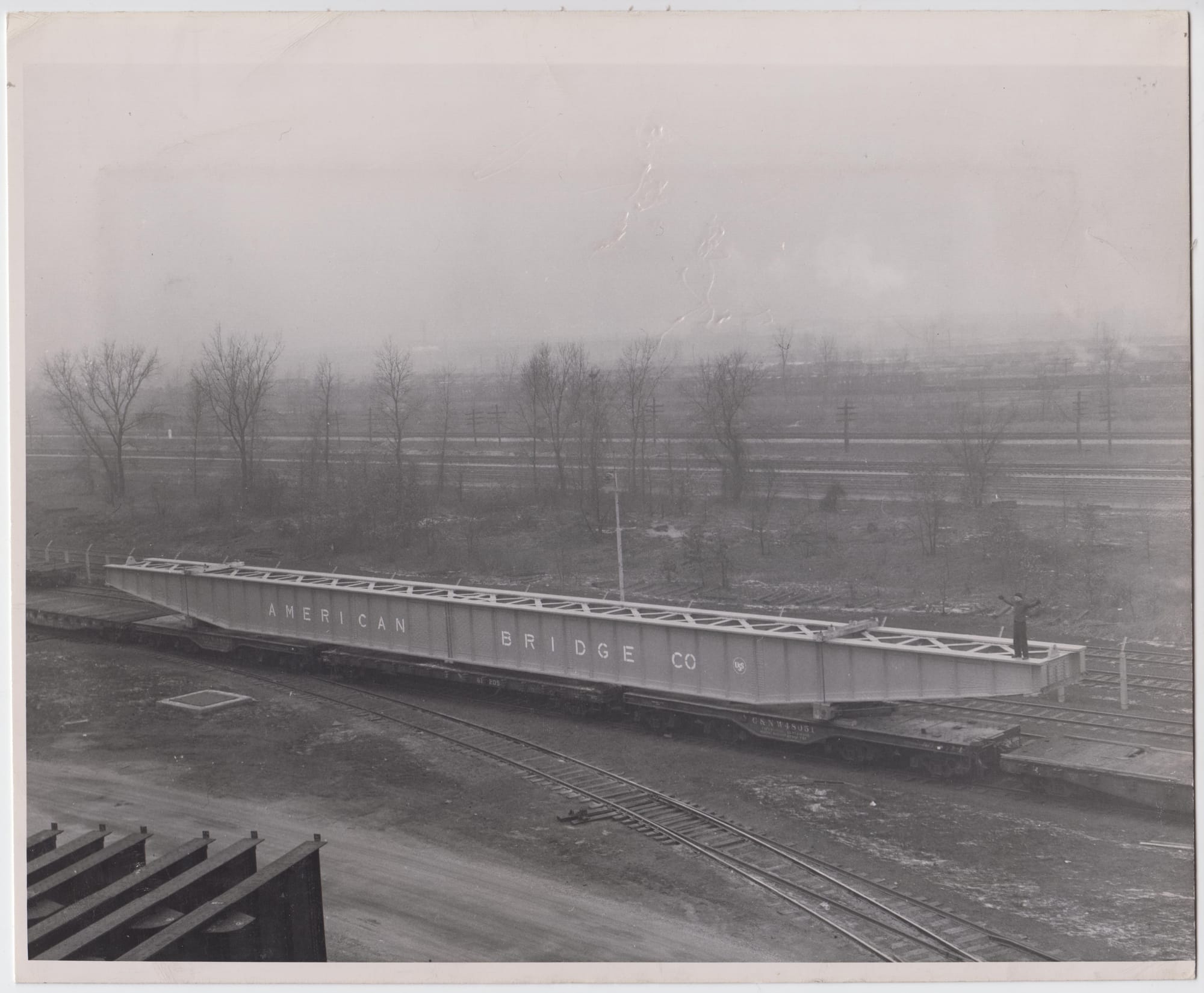
What does “American” mean, and who gets to claim it? Three Terra Foundation Fellows and Queens residents tackle this question in this thoughtful exhibition. Each curated a collection of photographs that reflect their lived experiences, scholarly research into the museum’s collection, and community conversations. Taken together, these images paint a nuanced portrait of American life.
Fashion
The Endless Garment: Atlantic Basin
Pioneer Works, 159 Pioneer Street, Red Hook, Brooklyn
Through April 12
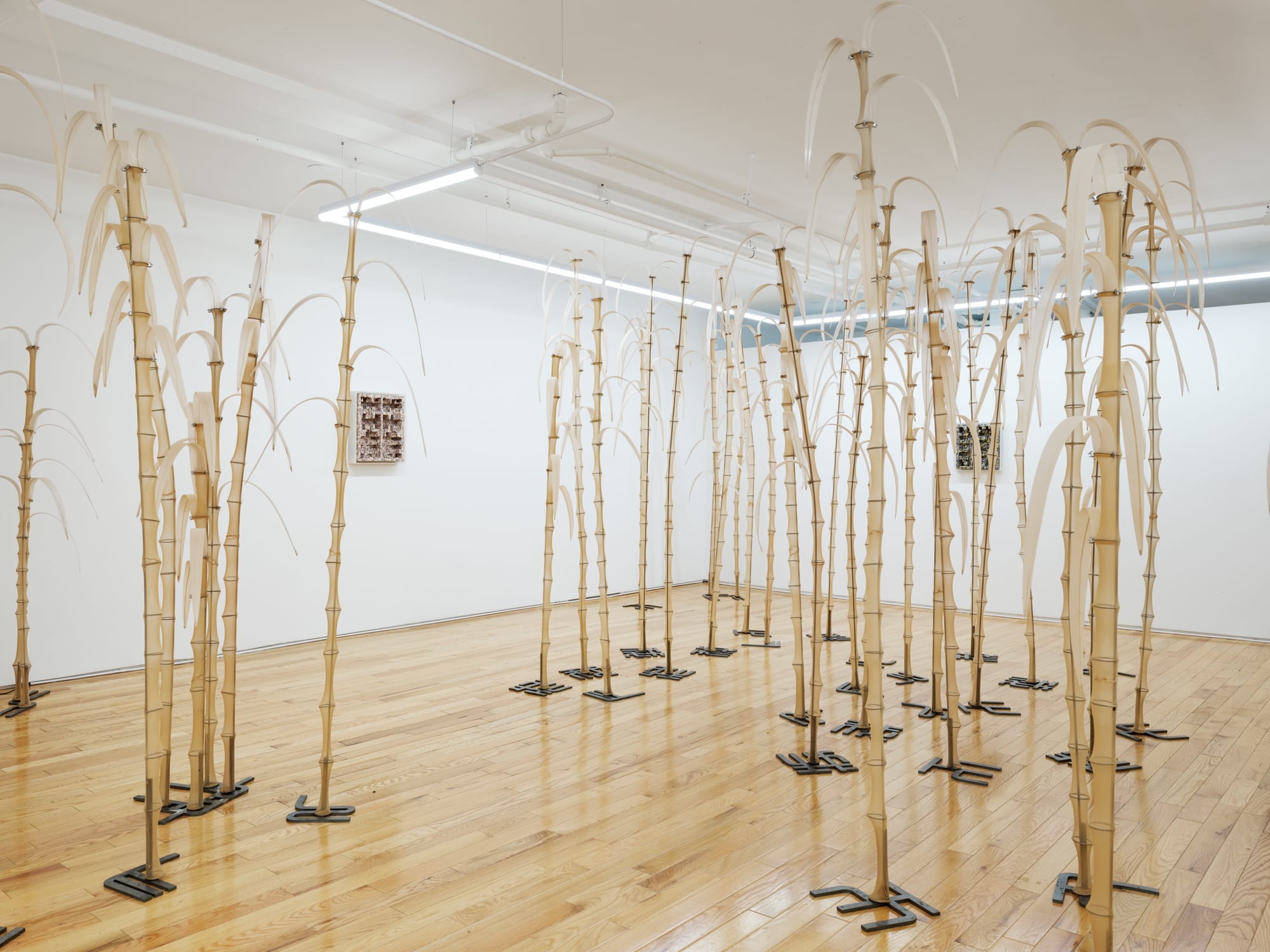
This show exploring how Asian fashion is produced, represented, and interwoven with global issues takes the Atlantic Basin as its central nexus — fitting, given Red Hook’s history as a major port with deep ties to the international textile trade. Curated by intrepid fashion writer Jeppe Ugelvig, it counts among its artists the “vaguely Asian” collective CFGNY and Taiwanese artist Serena Chang, who looks at the production of hosiery.
Art X Fashion
Museum at FIT, 227 West 27th Street, Chelsea, Manhattan
Through April 19
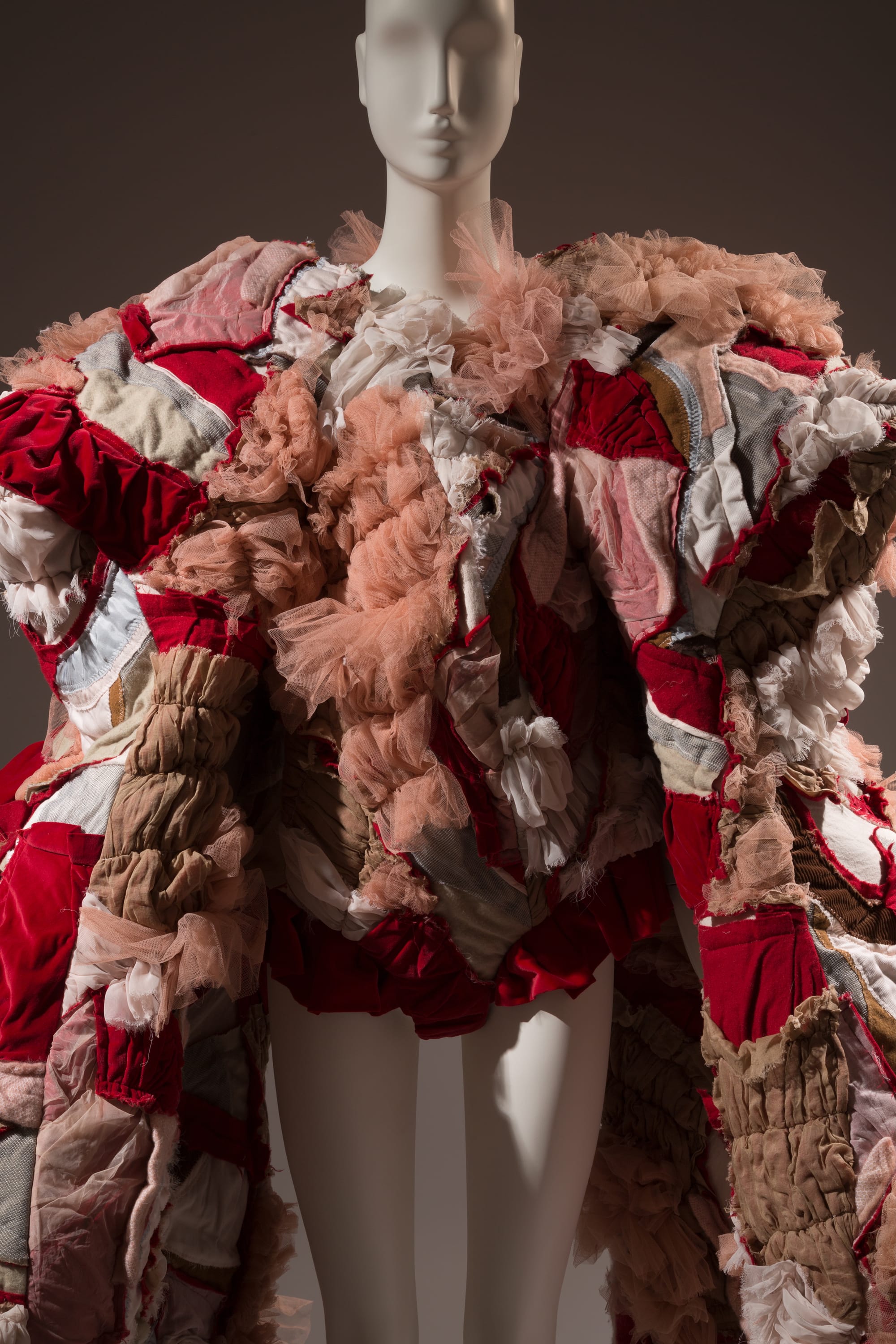
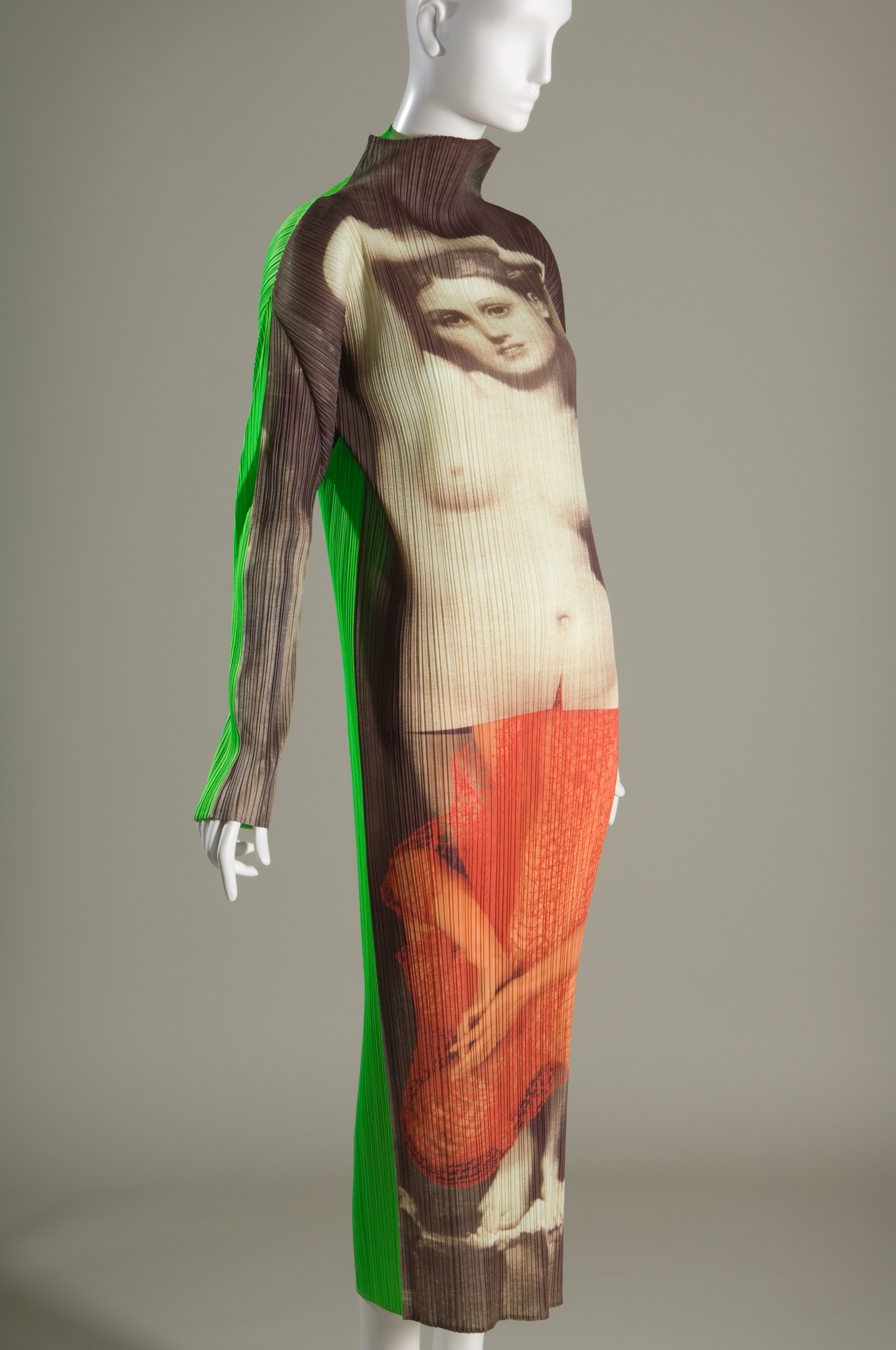
Left: Comme des Garçons, patchwork bodysuit with extended and exaggerated sleeves (spring 2018); right: Issey Miyake for Pleats Please and Yasumasa Morimura, Guest Artists Series No. 1 printed polyester dress (1996) (both © The Museum at FIT; courtesy The Museum at FIT)
Art X Fashion looks at the long-standing relationship between fashion and fine arts. Along with visual art, it includes wearable collaborations between artists and fashion designers, such as Kerry James Marshall and Grace Wales Bonner, as well as iconic garments like Yves Saint Laurent’s 1965 “Mondrian” dress. Also featured are designers who bridge the two worlds, like Martin Margiela and Hussein Chalayan.
Gainsborough: The Fashion of Portraiture
Frick Collection, 1 East 70th Street, Upper East Side, Manhattan
Through May 25
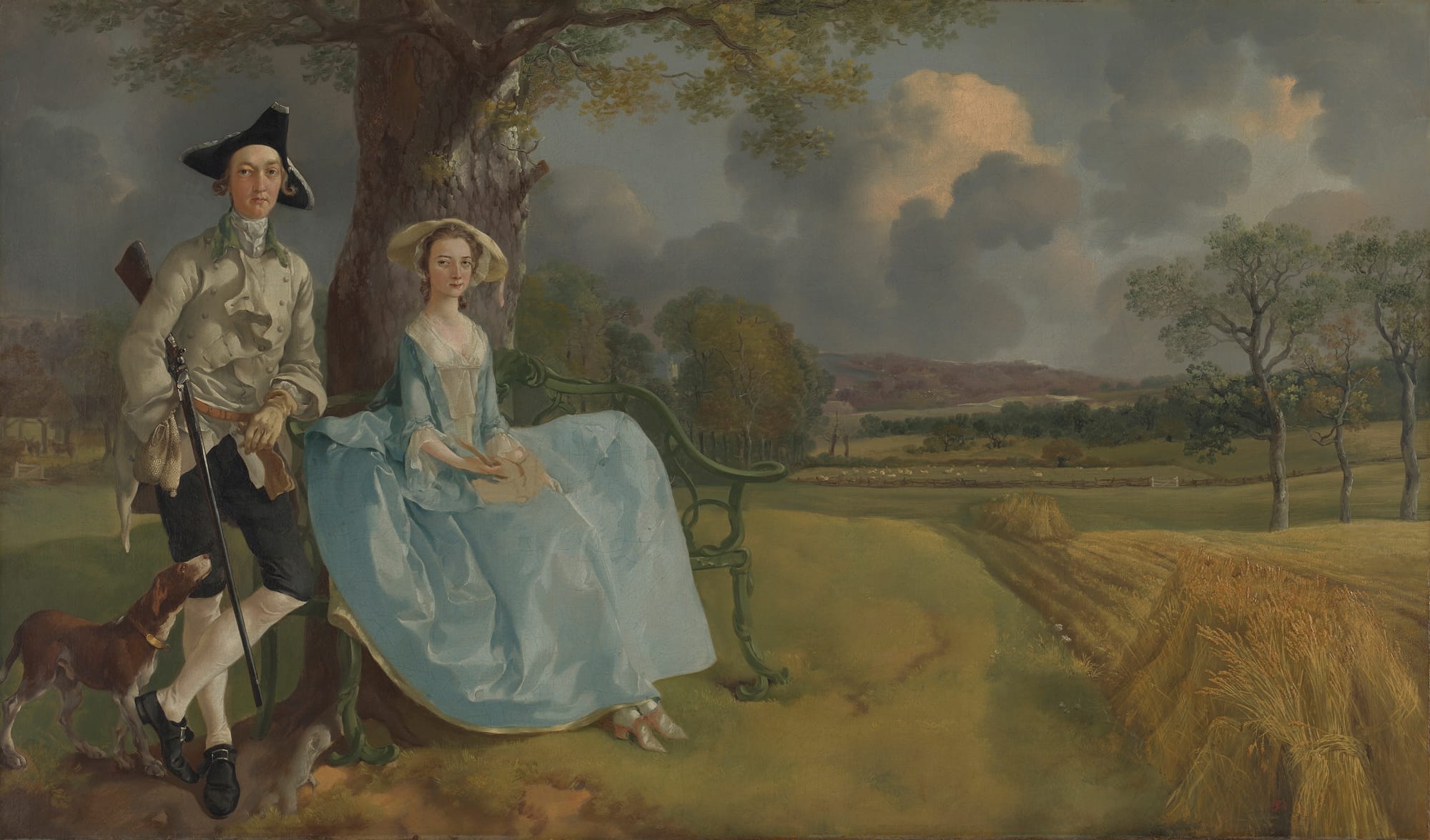
There’s perhaps no better way to explore 18th-century fashion than through the paintings of Thomas Gainsborough. Contextualizing his portraits of aristocratic families and figures in all their finery, this show unravels the threads of class, gender, and labor that shaped the fashion industry and English society writ large.
CFGNY: Puddles into Pond
Amant, 315 Maujer Street, East Williamsburg, Brooklyn
March 19–Aug. 16
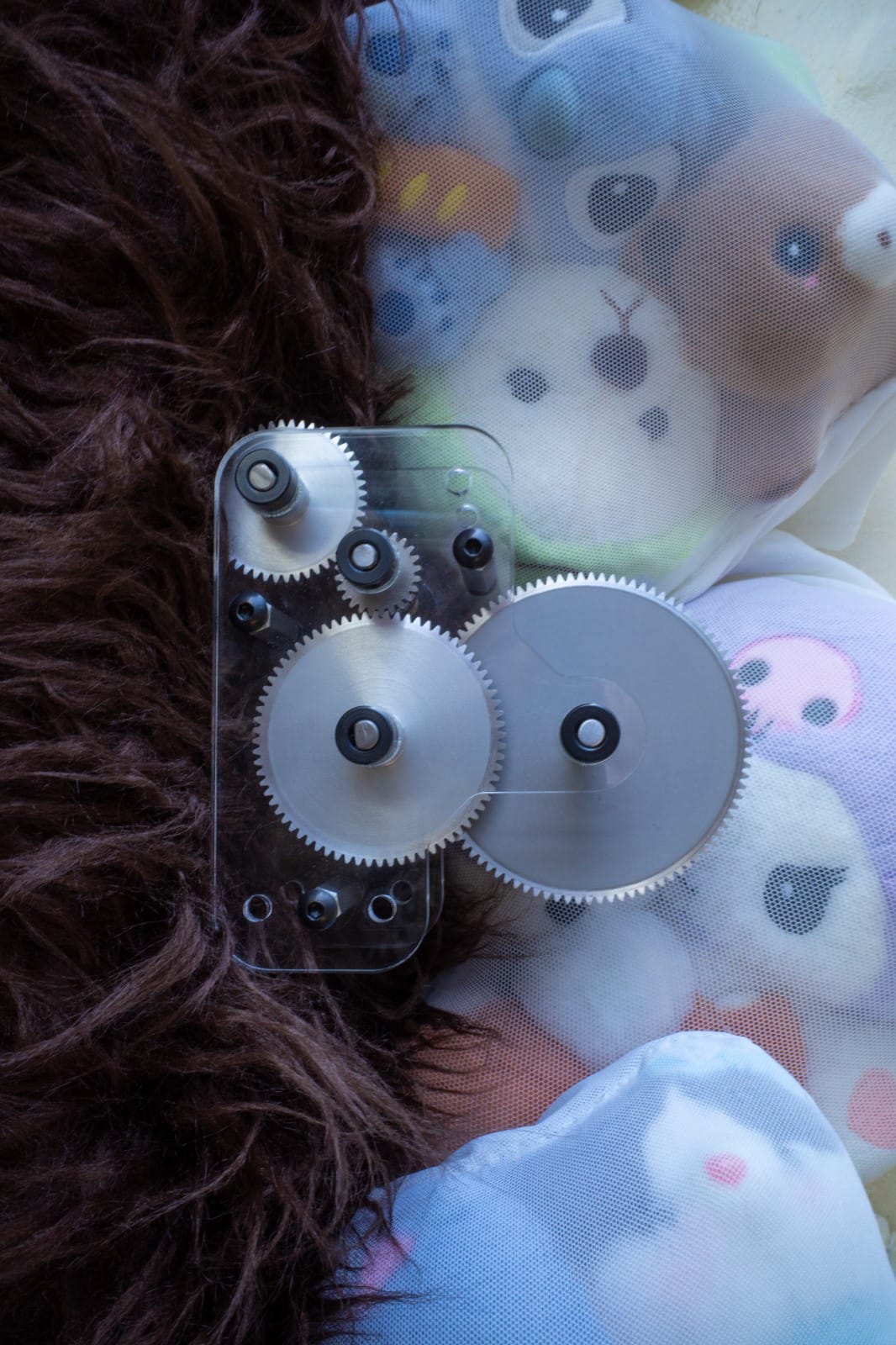
The artist collective CFGNY is having a big spring — on top of this solo presentation at Amant, the group is also in a show at Pioneer Works and in the Whitney Biennial. In its decade of existence, it has developed an aesthetic that spans fashion, ceramics, photography, installation, and more. But its true medium might be something more abstract: the circuits of production lines, knock-offs, and transcontinental exchange.
Costume Art
Metropolitan Museum of Art, 1000 Fifth Avenue, Upper East Side, Manhattan
May 10–Jan. 10, 2027
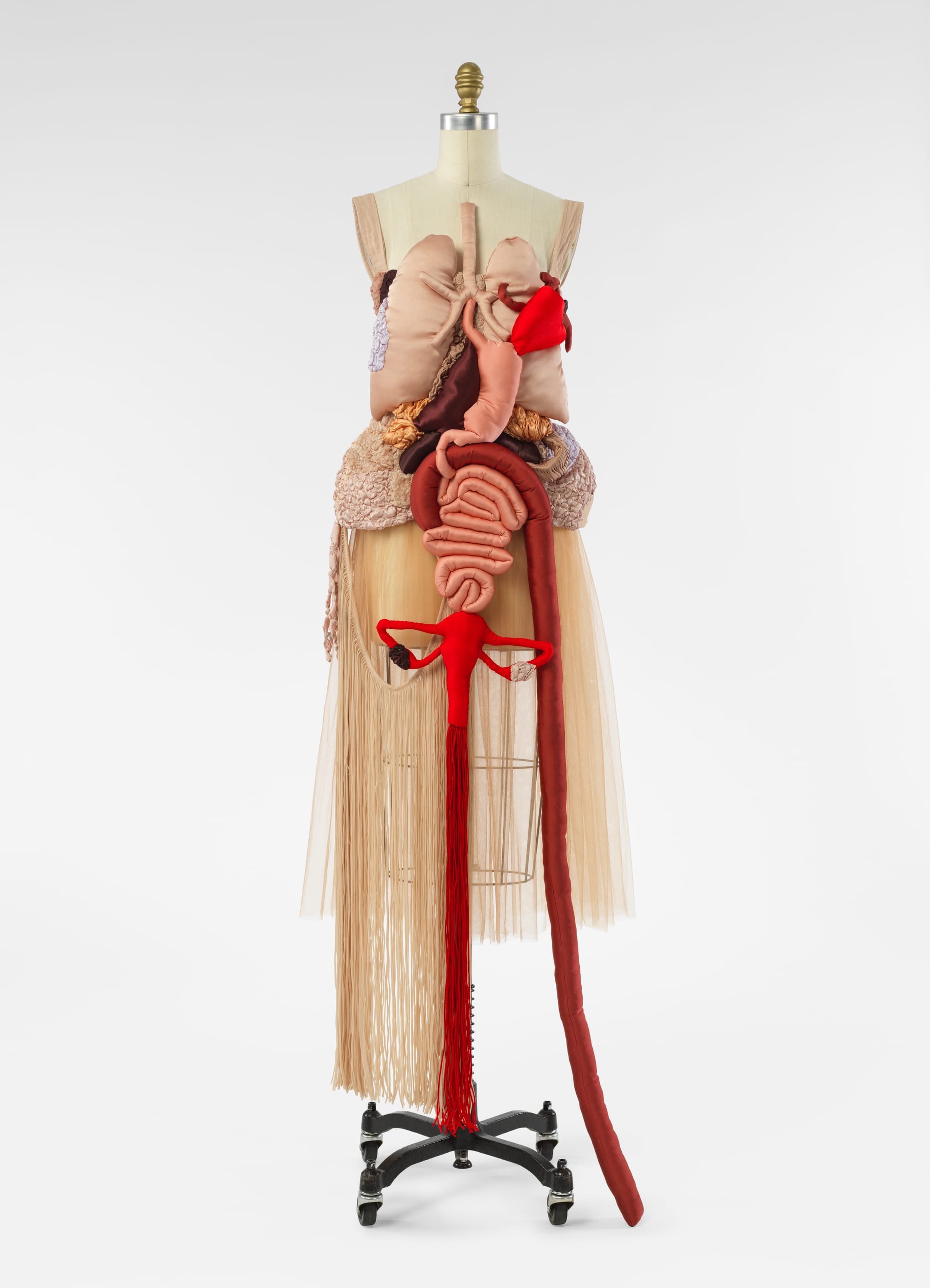
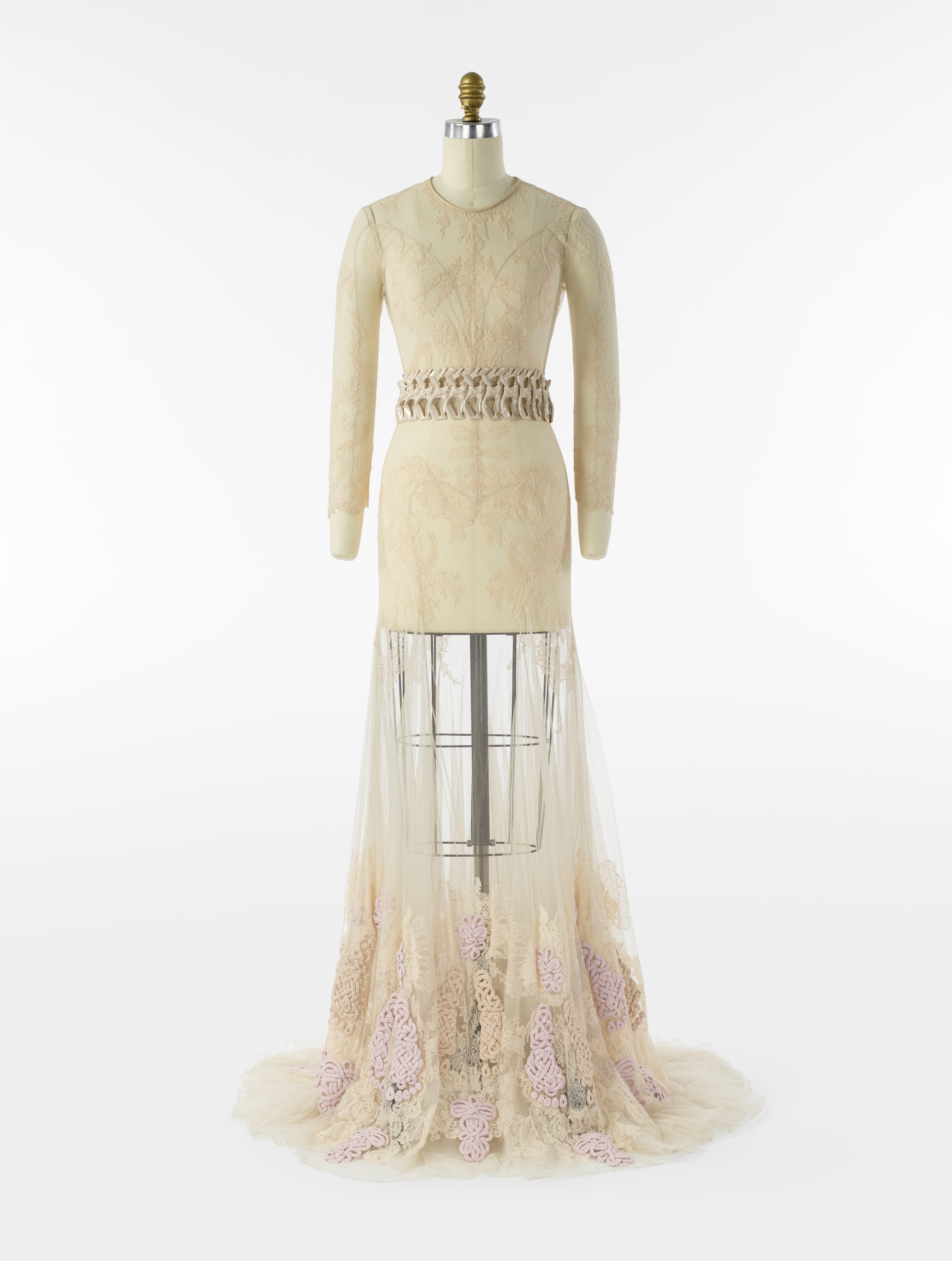
Left: Renata Buzzo, “Corset Anatomia” (2025) (photo © The Metropolitan Museum of Art; courtesy Renata Buzzo); right: Riccardo Tisci for House of Givenchy, “Ensemble” (2010–11) (photo © The Metropolitan Museum of Art; courtesy Givenchy)
It’s easy to have doubts about an exhibition addressing “the inherent relationship between clothing and the body” — especially when it’s underwritten by Jeff and Lauren Sánchez Bezos. Still, The Met’s Costume Institute has quite a collection, so there’s bound to be some eye candy in the pairings of garments and artworks on view. Bring on the historical bling.
Read Lisa Yin Zhang’s opinion piece
History
Mapping Otherwise
Wallach Art Gallery at Columbia University, 615 West 129th Street, 6th Floor, Harlem, Manhattan
March 28–April 12
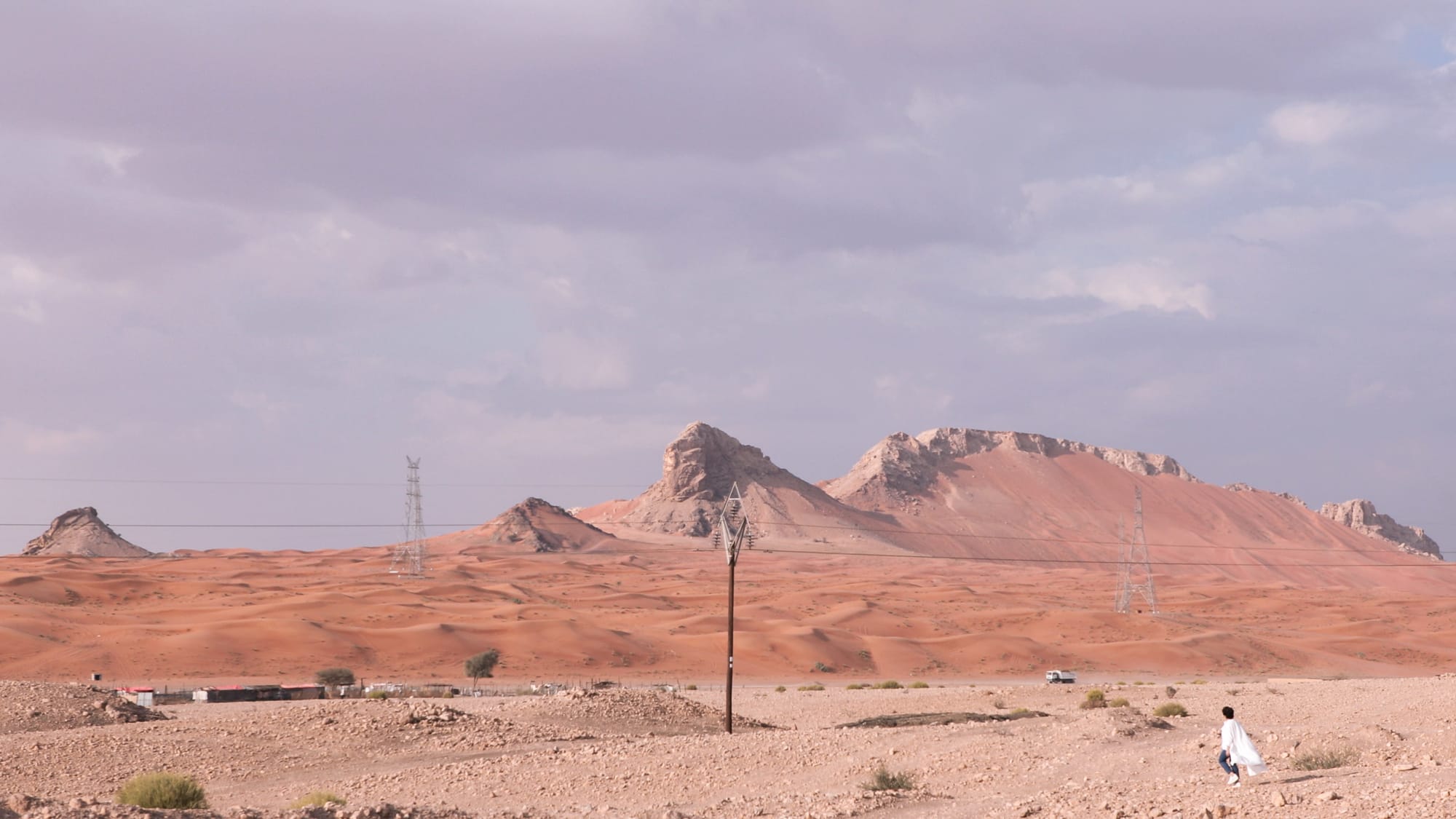
Partition carved a violent map into South Asia that remains an open wound. In this quietly rebellious show, Indian artist Zarina Hashmi and Pakistani artist Naiza Khan address it by challenging official maps and proposing new forms of cartography that defy nationalistic rhetoric, an especially urgent act as right-wing political forces gain momentum in India.
Running Through Heaven: Visions of Jack Kerouac
Grolier Club, 47 East 60th Street, Upper East Side, Manhattan
March 5–May 16
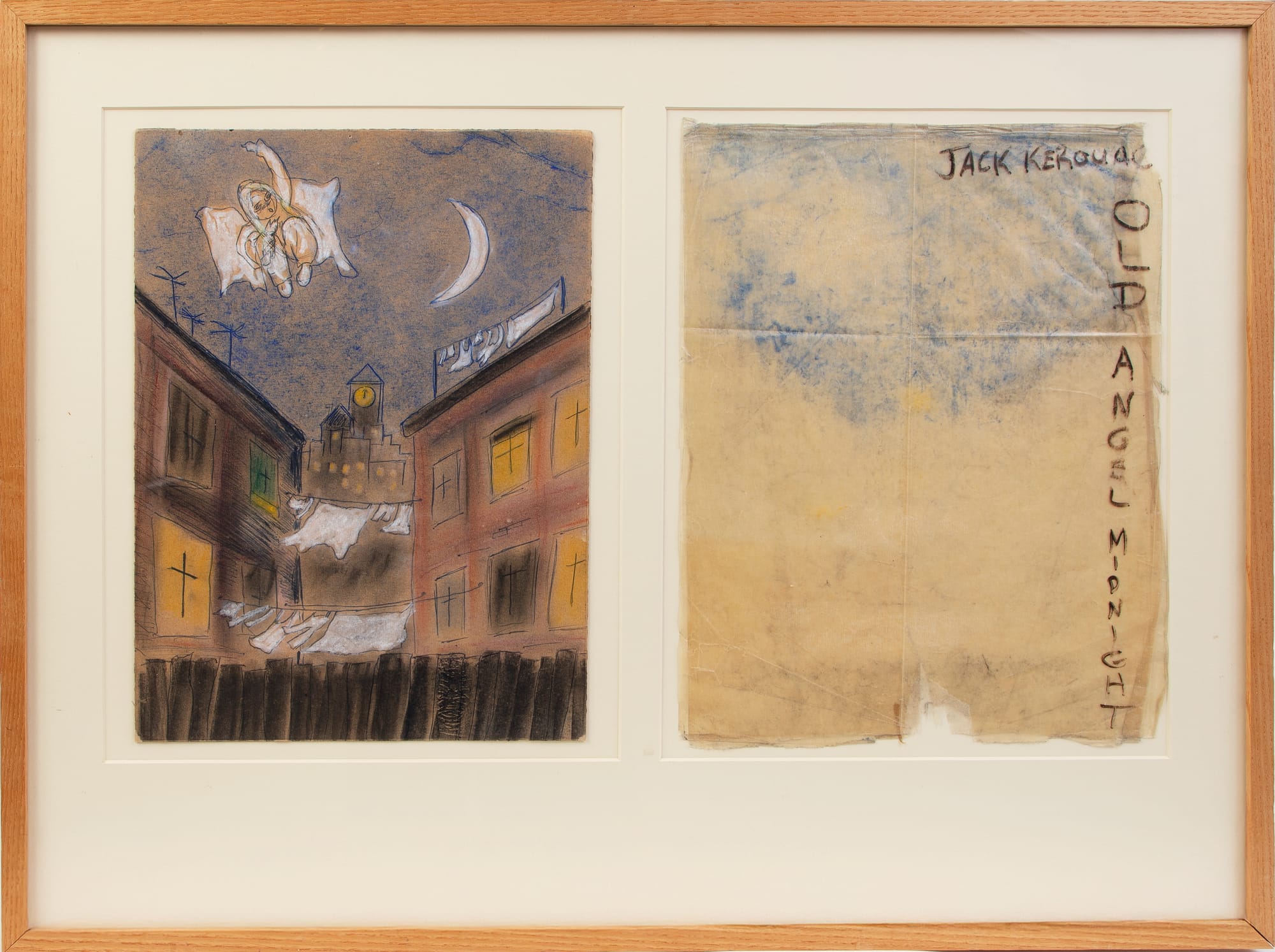
Beat icon Jack Kerouac gets the exhibition treatment in this assembly of drawings, objects, books, letters, and more, drawn from the collection of Jacob Loewentheil. Here, you’ll find the drawing he made to accompany his poem about voices he heard through the window of his Lower East Side tenement, along with other jewels from the life of this master of American poetry and prose.
Goya and the Age of Revolution
Hispanic Society Museum & Library, 3741 Broadway, Washington Heights, Manhattan
Through June 28
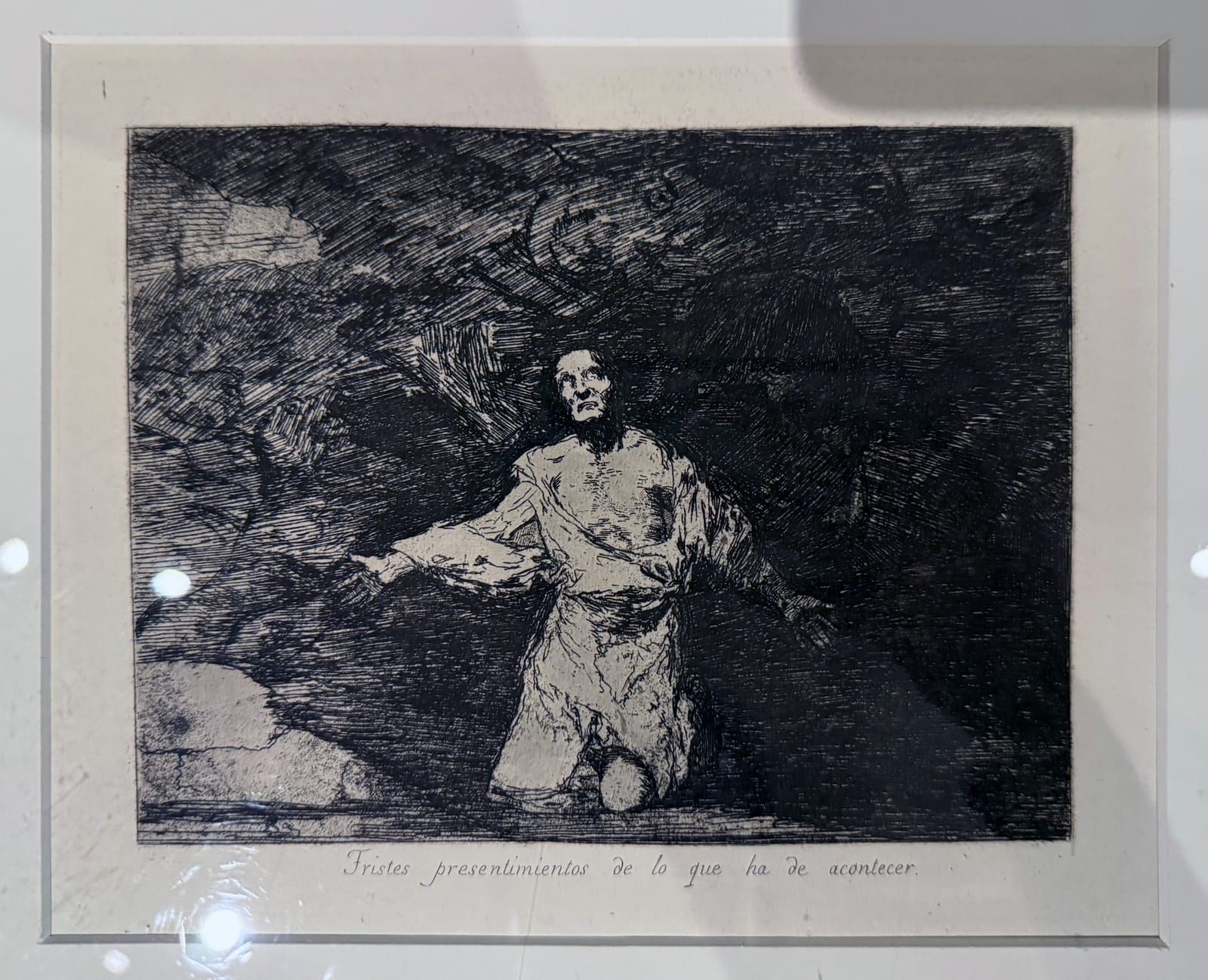
Goya is nearly synonymous with depictions of war and revolution, including his 82 prints chronicling Napoleon’s 1808 invasion of Spain, the ensuing war, and the famine that followed. This exhibition links his work with other revolutions of the 18th century — those in the United States and France — to underscore the rebellious spirit that guided his practice.
Revolution!
Metropolitan Museum of Art, 1000 Fifth Avenue, Upper East Side, Manhattan
Through Aug. 2
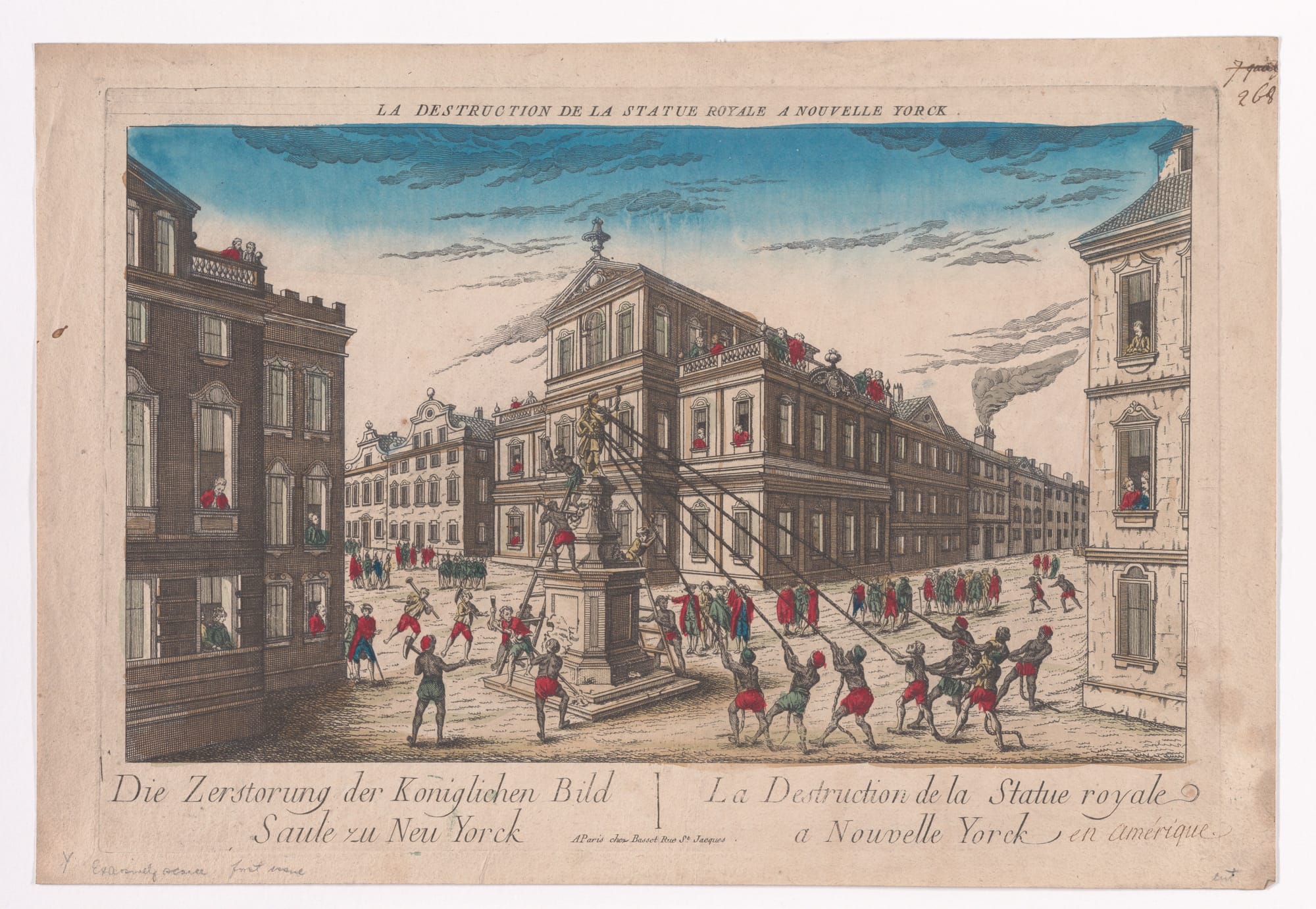
Marking the 250th anniversary of the Declaration of Independence, this exhibition examines how this nation came to be through artworks and documents drawn from The Met’s expansive collection. Among the highlights are rare examples from the country’s early print culture that illuminate the international circulation of news about American independence. Also included are portraits of important figures at the time, including Wampanoag chief Metacomet — acknowledging what it meant to establish a new nation in an already long-inhabited land.
Old Masters, New Amsterdam
New York Historical, 170 Central Park West, Upper West Side, Manhattan
May 1–Aug. 30
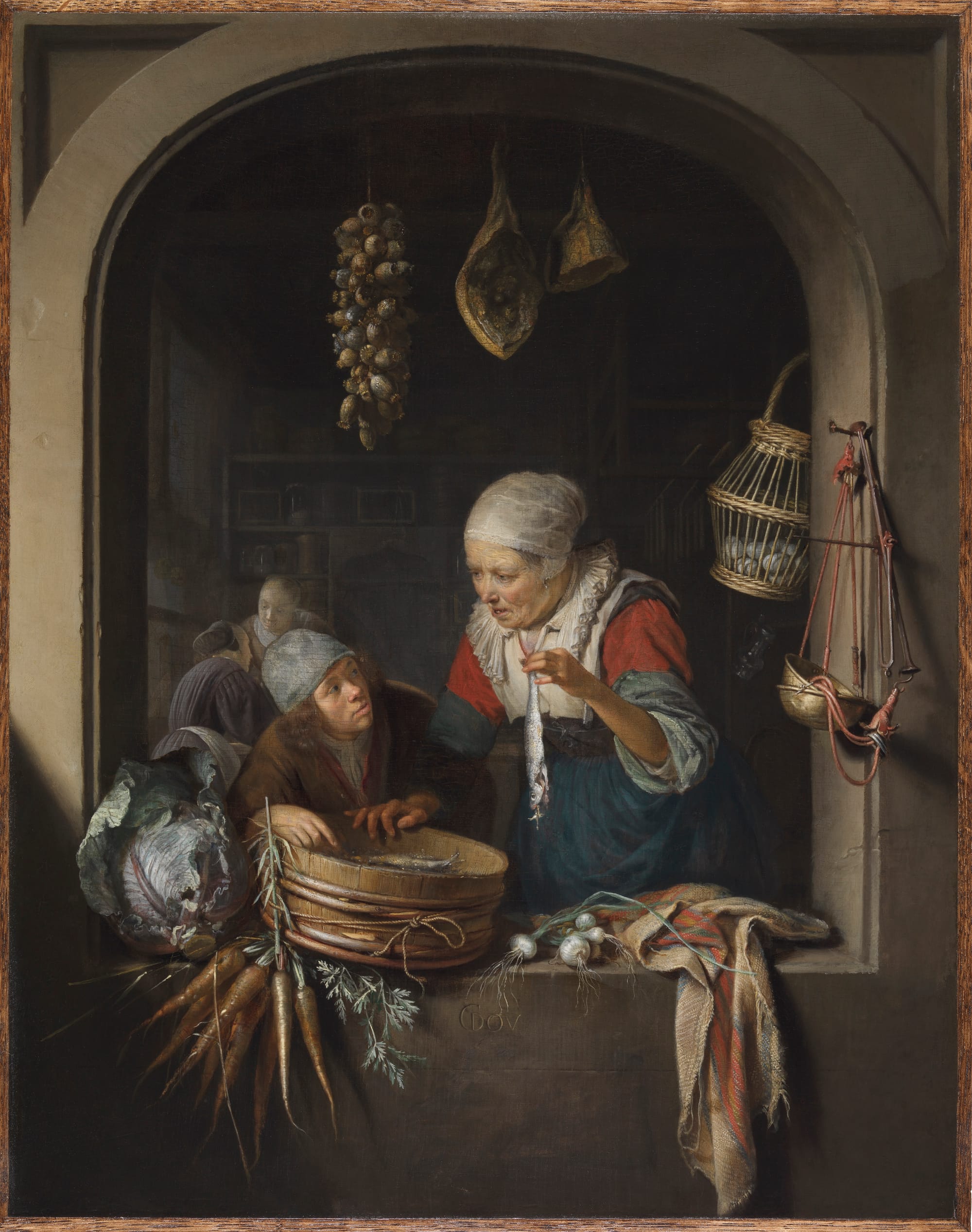
The nation’s 250th anniversary is getting a lot of attention of late, but another milestone passed more quietly — the Dutch established the southern tip of Manhattan as the seat of their colonial government just around 400 years ago. A new exhibition at the New York Historical will be using paintings by Old Masters — Rembrandt, Frans Hals, and Jan Steen, among others, to offer a glimpse into what life might’ve looked like on the settlement.
Liberty & Legacy
Newark Museum of Art, 49 Washington Street, Newark, New Jersey
Through March 7, 2027
Commemorating the 250th anniversary of the United States might seem like an irredeemably nationalistic task. However, across the two floors of Liberty & Legacy, artists tell its story instead, critiquing the country’s past and present. Indelible works include the Tewa/Hopi sculptor Arlo Namingha’s homage to his grandmother, Jacob Lawrence’s tableau of the Great Migration, and Alejandro Macias’s haunting painting of a Mexican-American Border Patrol agent.
Ecology
Saodat Ismailova: Amanat
Swiss Institute, 38 Saint Marks Place, East Village, Manhattan
Through April 12
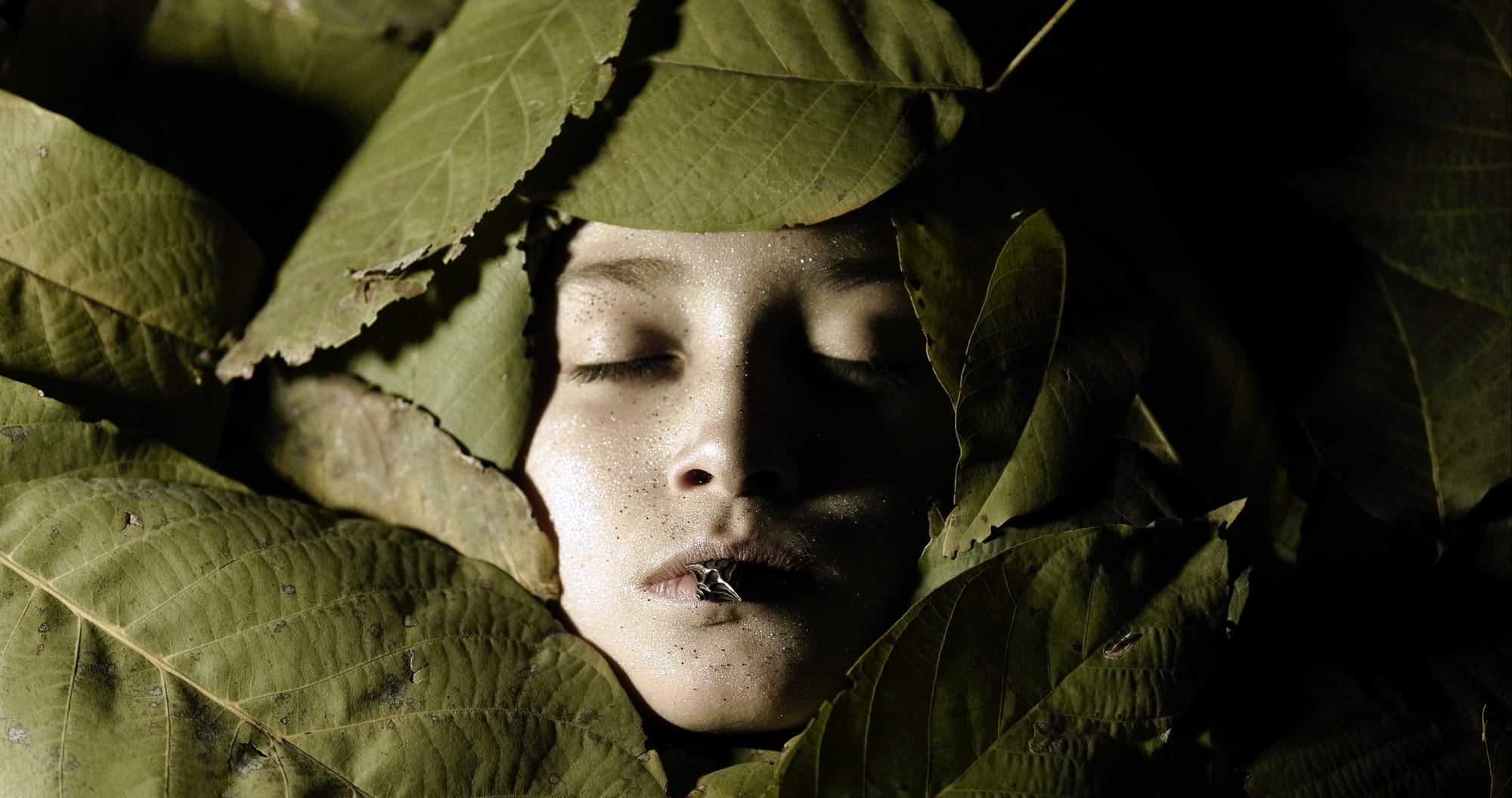
According to local legend, the walnut forests of Arslanbob sprang from a single date seed an elder gave to a young boy. This presentation of films and sound works by the Uzbek artist — her first US solo show — transports visitors to the psychospatial terrain of Central Asia. Foregrounding the senses, it immerses them in a space where spiritual life, geopolitics, and dream logic meld.
Sujin Lim: Memories in Red
Wave Hill, 4900 Independence Avenue, Riverdale, Bronx
May 1–June 15
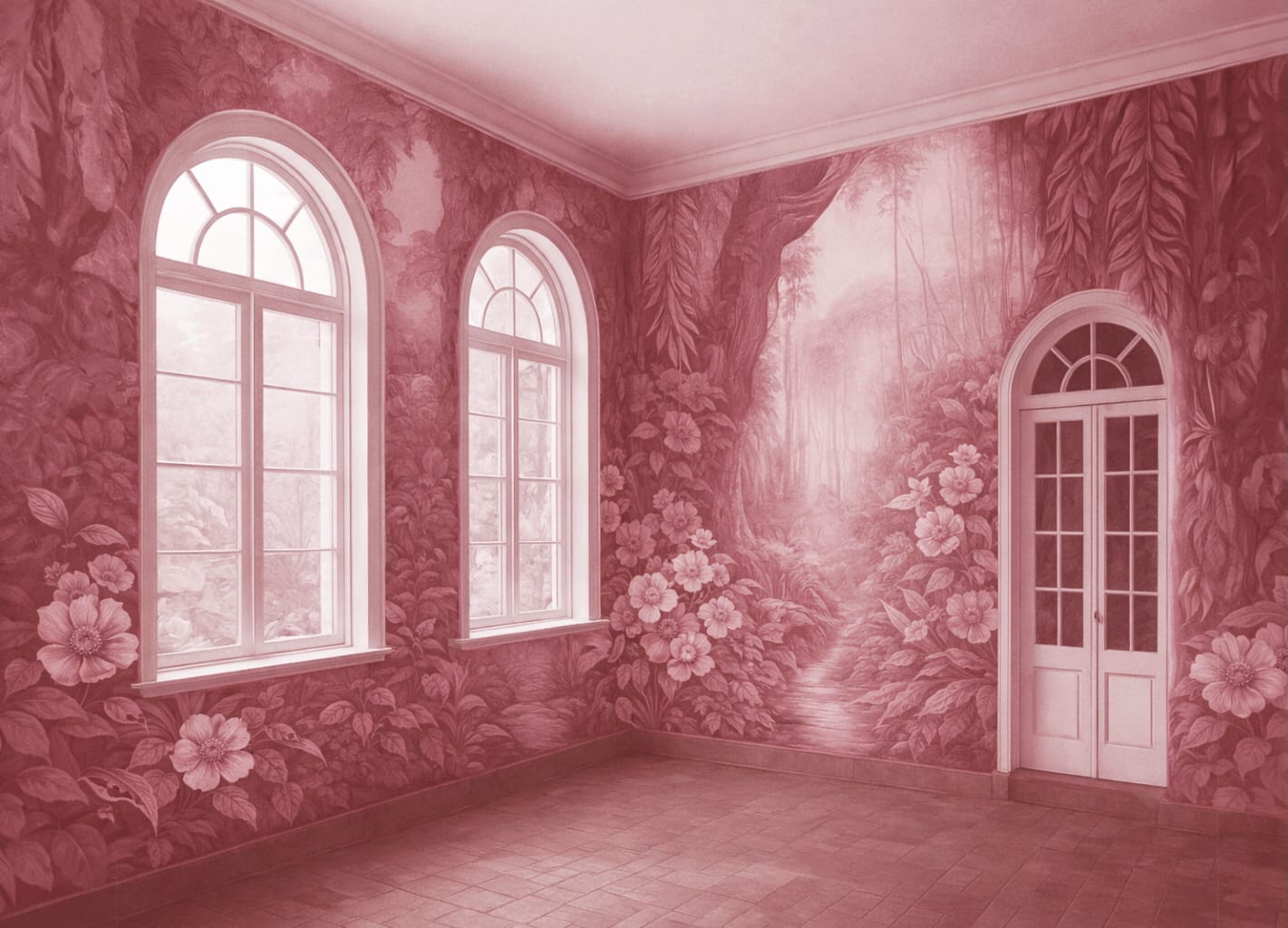
Lim’s takeover of one of Wave Hill’s sun-soaked galleries is a ruddy, dreamy vision that blends the lush gardens outside with the one depicted on the walls, and even one taking shape in your mind. The show’s defining red pigment was extracted from a particular rose whose journey mirrors that of the artist’s family, traveling from the shorelines of Yeongheung Island in South Korea, where her father was born, to the Hudson River, where this work unfolds.
Devotional
Pamela Sneed and Carlos Martiel: Sacred and Profane
Leslie-Lohman Museum of Art, 26 Wooster Street, Soho, Manhattan
Through April 12
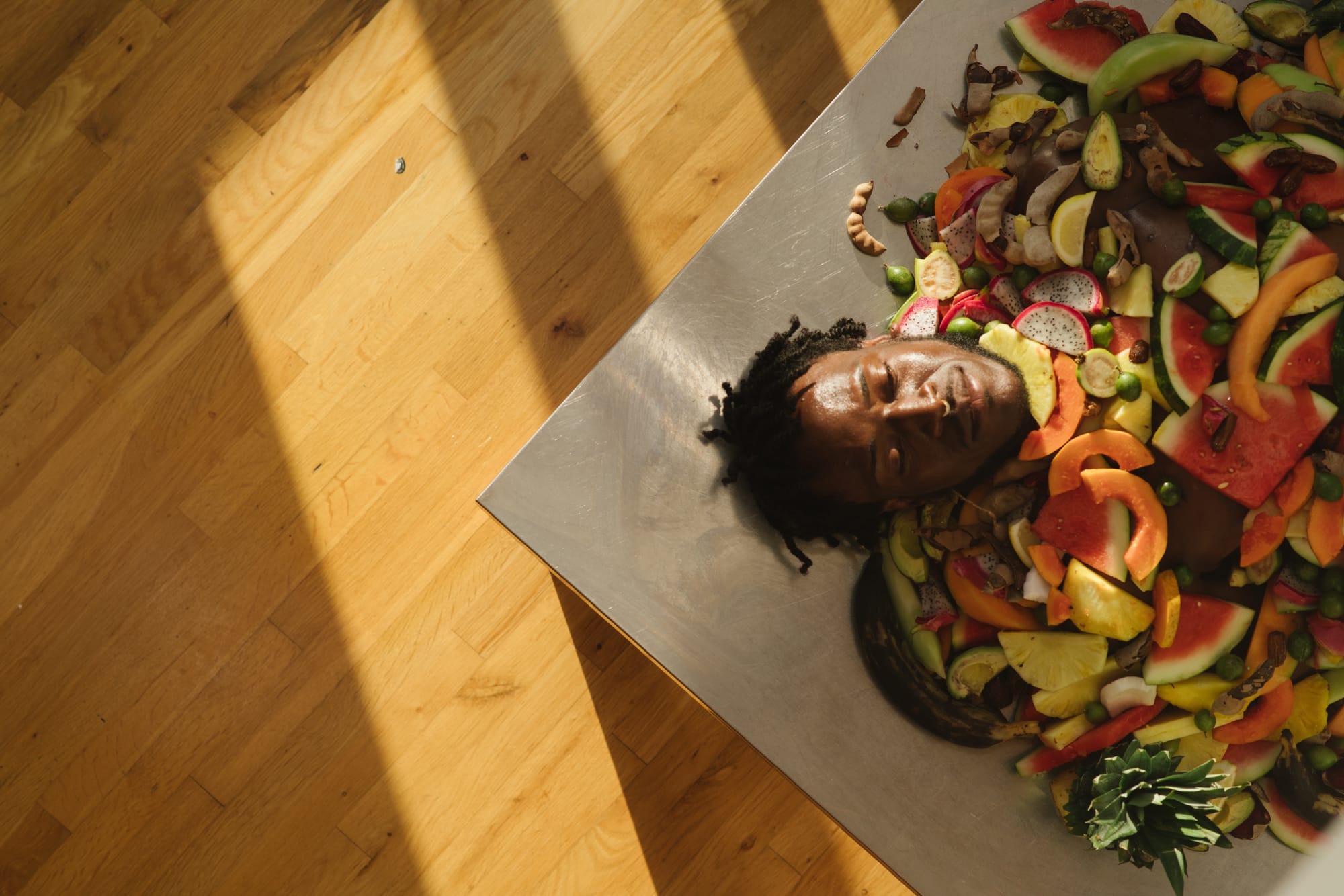
Black lesbian artist and writer Pamela Sneed’s research-based work sheds light on Fire Island’s role in harboring free Black northerners who were kidnapped and resold to Southern states, as well as “fresh stock” trafficked from the West Indies and West Africa, throughout the Transatlantic Slave Trade. Alongside Sneed, Carlos Martiel, a queer Black-Cuban endurance performer, presents previous works and a new performance with his mother centering grief and powerlessness among mothers who have lost children to police brutality.
Buddha and Shiva, Lotus and Dragon: Celebrating 70 Years of Asia Society and the Rockefeller Legacy
Asia Society and Museum, 725 Park Avenue, Upper East Side, Manhattan
March 18–Jan. 3, 2027
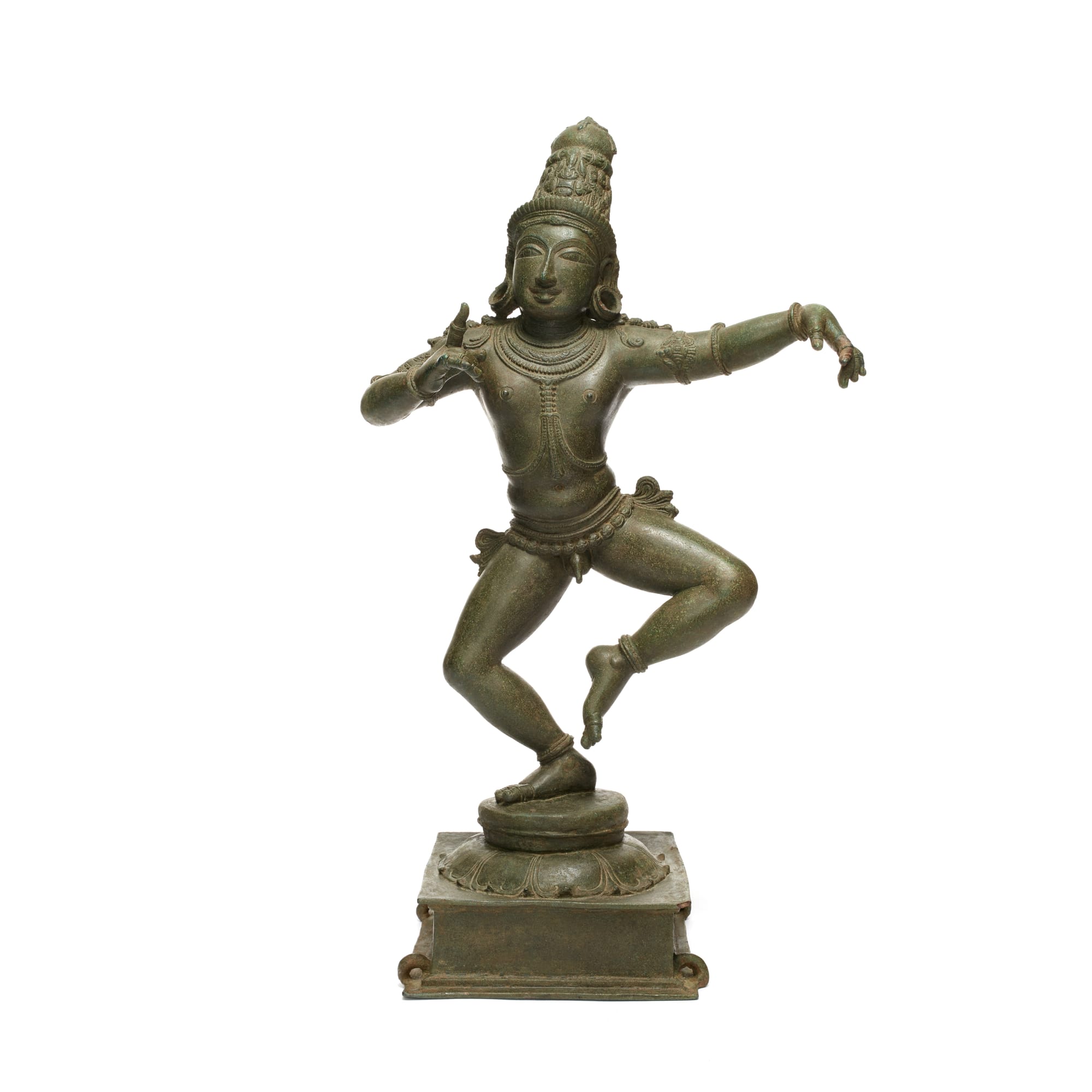
This is a rare opportunity to see 70 works from the Asia Society’s illustrious collection. Be prepared to be impressed by a trove of priceless ceramics, bronzes, and metalwork, including a limestone Buddha from Thailand circa the 7th or 8th century, the “Shiva as Vinadhara (Player of the Vina)” from 10th-century India, and an ornate bronze vessel from China circa the 6th century BCE.
Unrolling Eternity: The Brooklyn Books of the Dead
Brooklyn Museum, 200 Eastern Parkway, Prospect Heights, Brooklyn
Ongoing
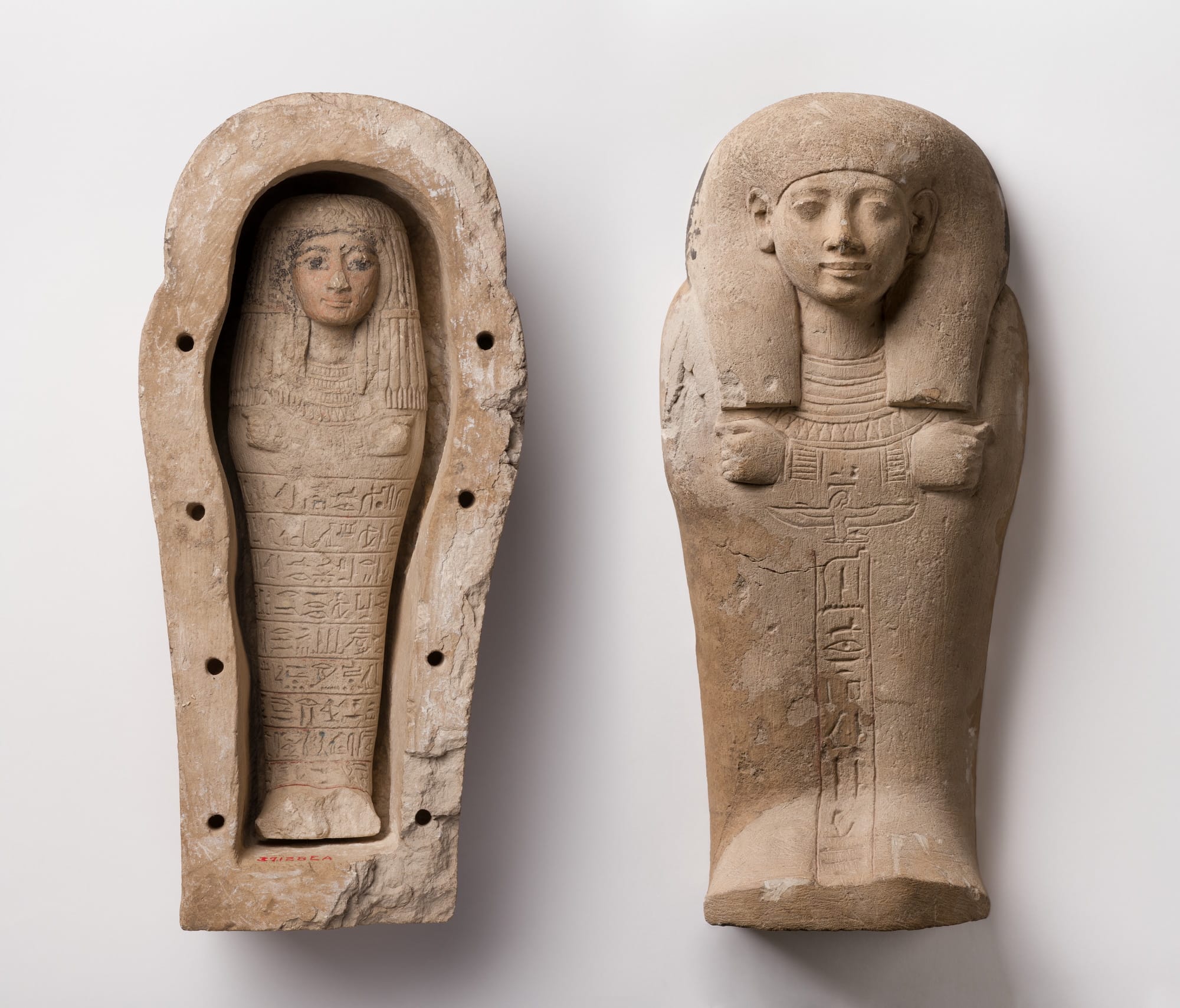
After three years of restoration, the 21-foot-long Books of the Dead unscrolls in all its splendor at the Brooklyn Museum’s refreshed Egyptian wing. The only complete surviving gilded papyrus of its kind contains ink drawings and 162 spells to guide a man named Ankhmerwer through the afterlife. It is on view alongside reed pens, gold amulets, and wall reliefs that shed light on Ancient Egyptian funerary traditions.
The Body
Spectrum of Desire: Love, Sex, and Gender in the Middle Ages
Met Cloisters, 99 Margaret Corbin Drive, Inwood, Manhattan
Through March 29
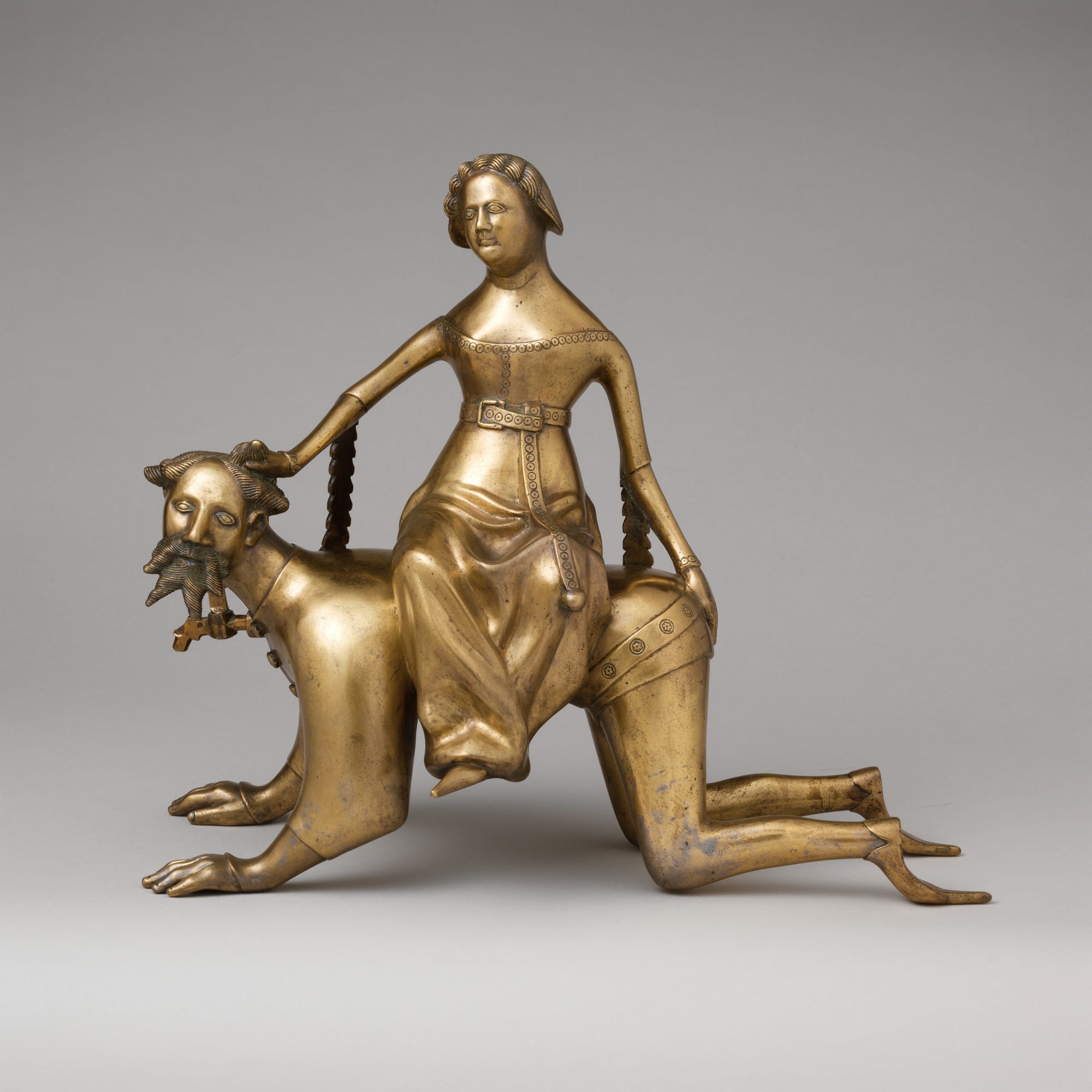
The Cloisters might not be the first place you’d expect to see a woman pulling a man’s hair and riding him like a horse, but that’s just what makes this show so special. It’s exploration of desire in medieval times illustrates how multifaceted it could be — leading to ecstasy or suffering; both aligning with and departing very much from the Church’s ideals.
Read Emma Cieslik’s review
Skins, Not Our Own
Wallach Art Gallery, 615 West 129th Street, West Harlem, Manhattan
March 28–April 12
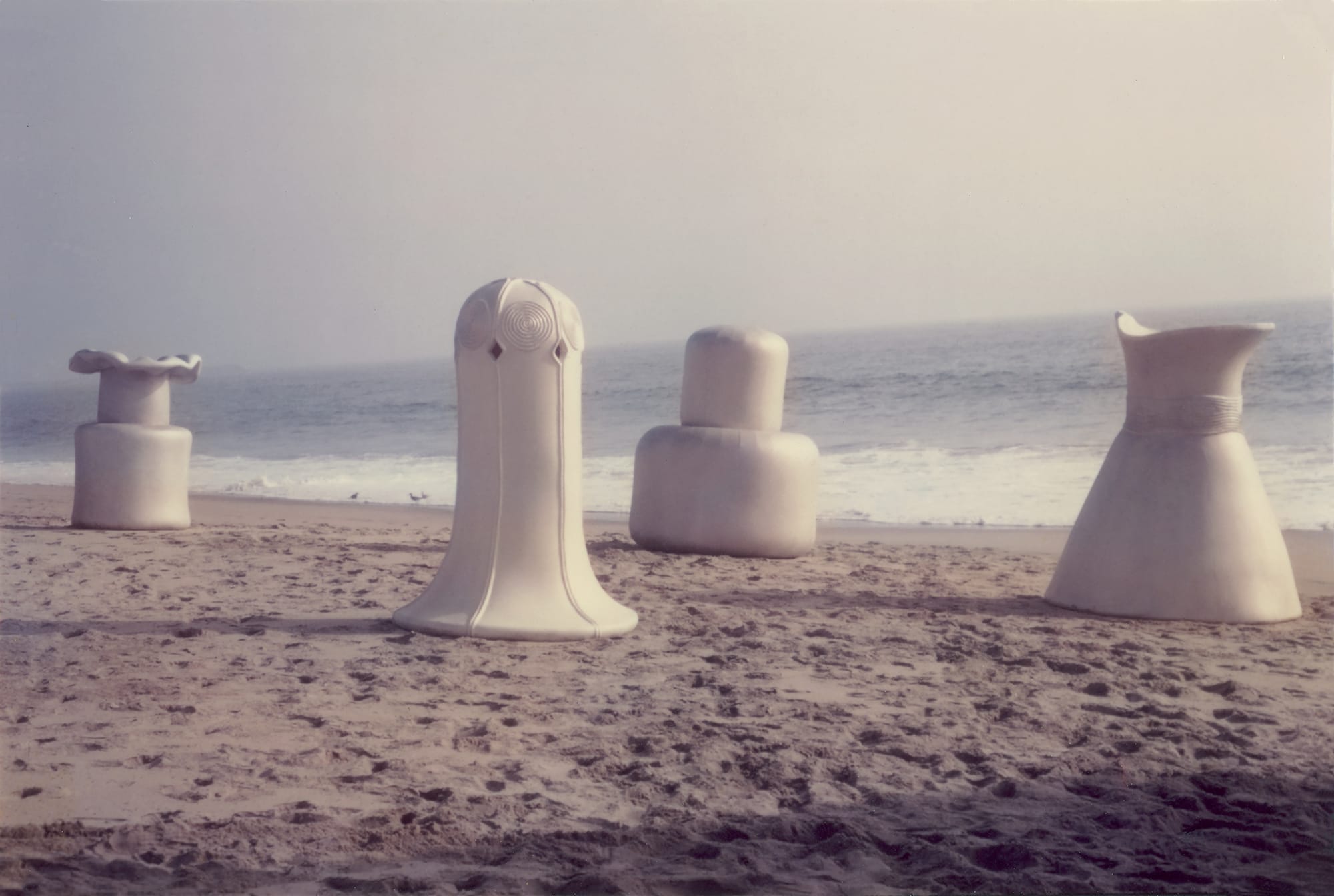
Heidi Bucher, Rebecca Horn, and Kimsooja come together to take on the porous place where inside meets out — skin. Each artist approaches this task in her own way, exploring the bodily, tactile, and political potential of the epidermis. Together, they assume the mantle of scholar Luce Irigaray’s injunction that women must invent a language that properly fits our skin: fluid, meandering, elliptical.
Joan Semmel: In the Flesh
Jewish Museum, 1109 Fifth Avenue, Upper East Side, Manhattan
Through May 31
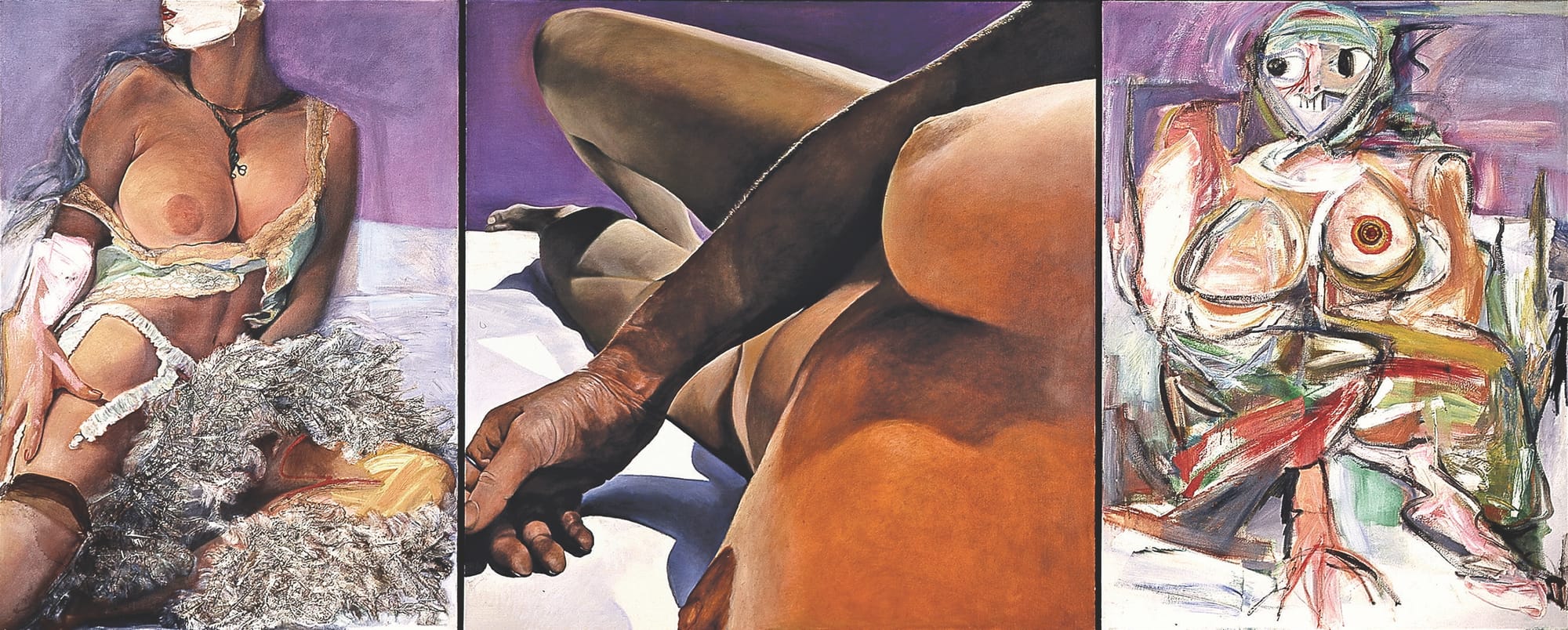
Joan Semmel, who turned 93 last October, paired 16 of her hypnotic paintings with dozens of artworks in the Jewish Museum’s collection. The result is a fleshy, liberating exhibition that gives us a glimpse into the constellation of artists whose work dialogues with her own, as well as the themes of bodily autonomy and feminist self-determination that guide her brush.
Read Lisa Yin Zhang’s review
Overexposed: Art, Technology, and the Body
Museum of the Moving Image, 36-01 35 Avenue, Astoria, Queens
March 14—Jan. 3, 2027
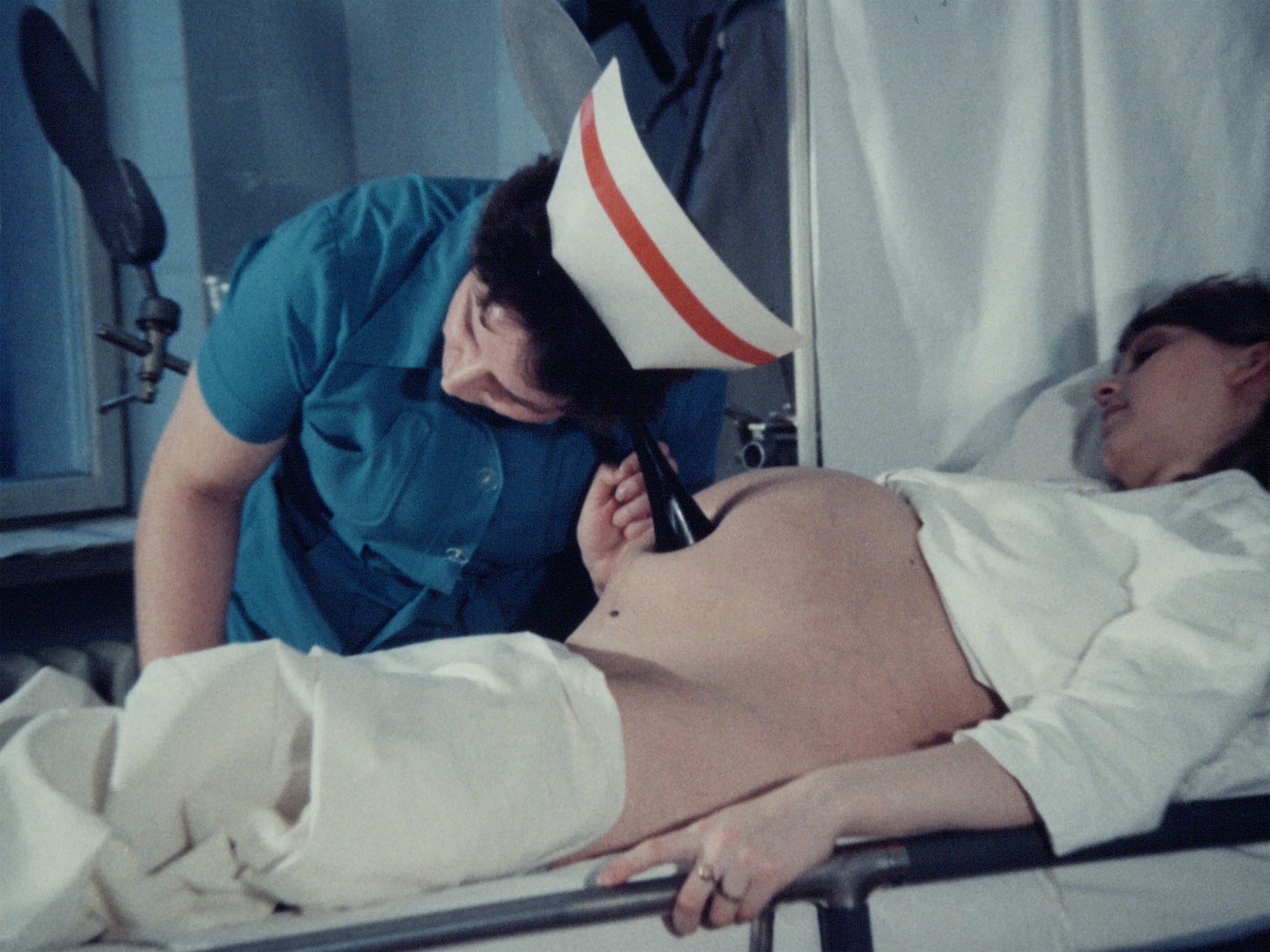
This group exhibition considers 134 years of technological advancements in viewing and documenting the inside of the human body. Educational and research-based films about improved internal imaging tools sit alongside works by 16 contemporary artists who contemplate the scientific and sociopolitical impacts of new imaging technology and the evolving medical industry.
Public Art
Tiffany Baker: Lighted House Sculpture, The Dear Neighbor Project
Boerum Playground (Van Alen Institute), 364 Warren Street, Boerum Hill, Brooklyn
Through April 5
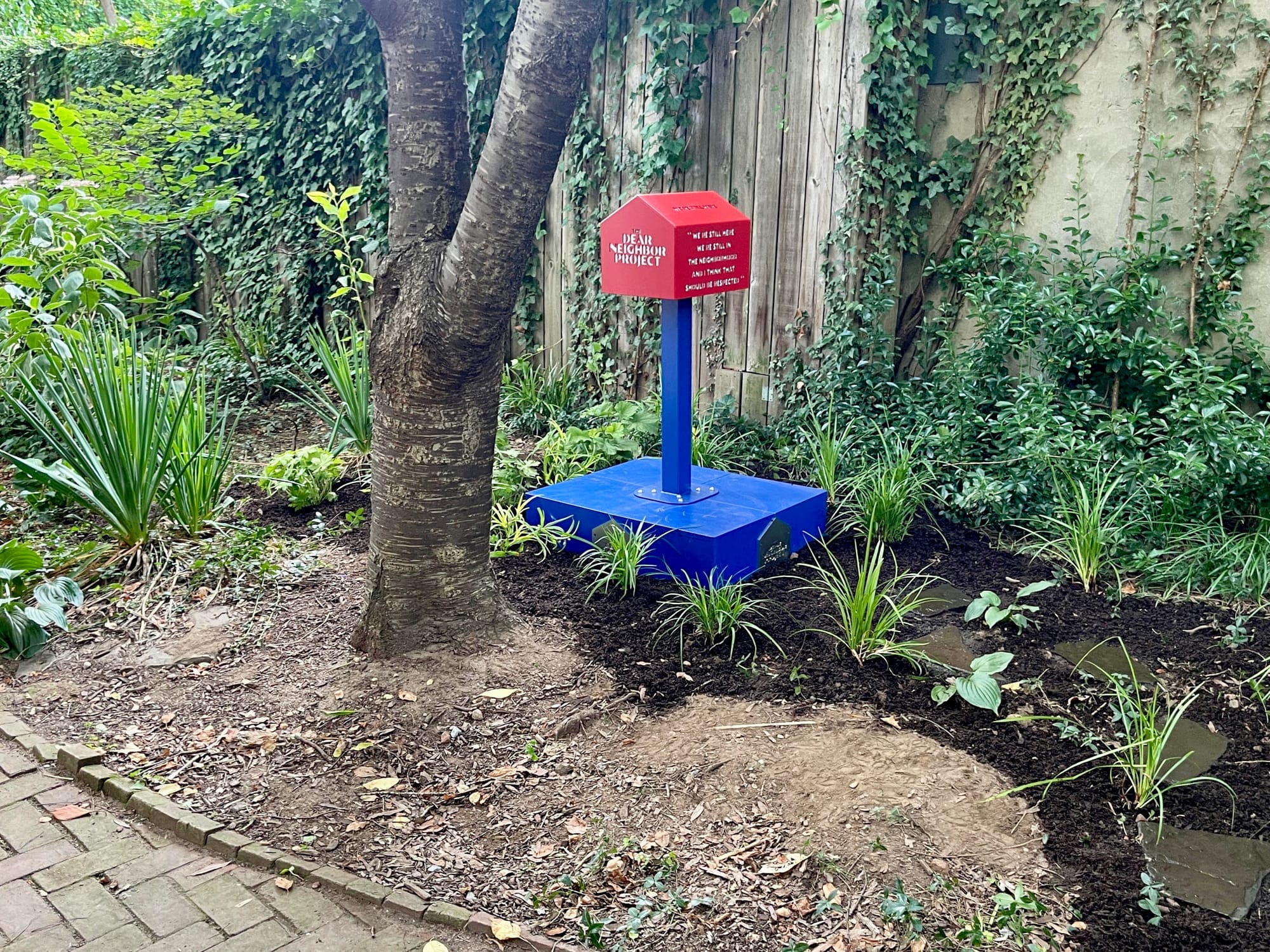
If you wander through Brooklyn’s Gowanus neighborhood, tender artworks and powerful testimonials light up your path like unmistakable will-o’-the-wisps, part of artist Tiffany Baker’s Dear Neighbor Project. Its newest addition is a glowing yellow-and-blue sculpture bearing laser-cut quotes from Gowanus community members, illuminating their stories and serving as a monument to local history.
The Socrates Annual 2025: Up/Rooted
Socrates Sculpture Park, 32-01 Vernon Boulevard, Astoria, Queens
Through April 6
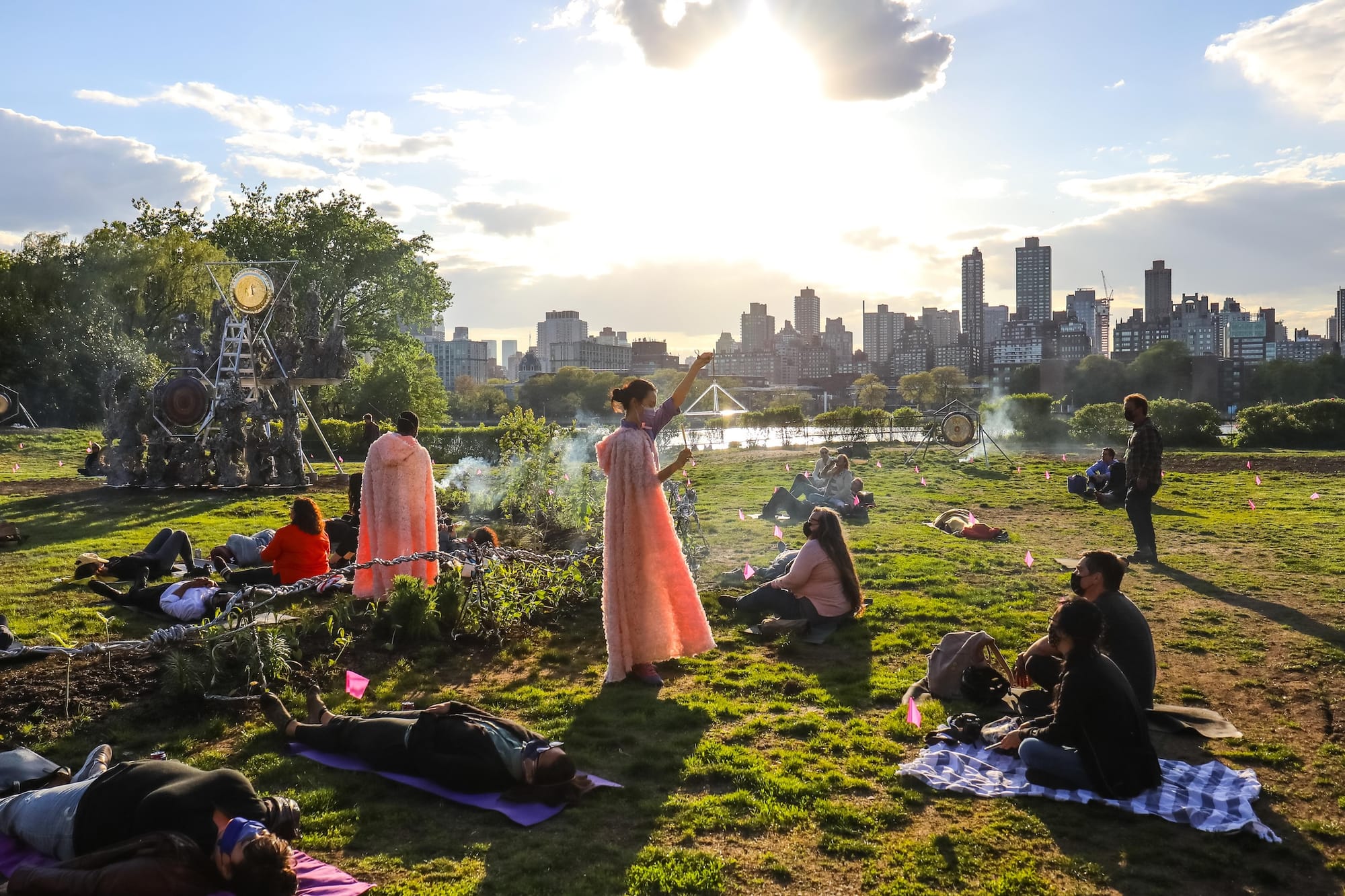
Socrates Sculpture Park is a Queens gem where you can spend a perfect afternoon with friends or family — it pulsates with community and the art that sustains it. The five artists and collectives in this edition of the annual event take on ideas of adaptation, regeneration, and resilience. Don’t forget to say hi to the swans swimming up and down the East River.
Kinfolk: Portals of Remembrance
New York City AIDS Memorial, 76 Greenwich Avenue, West Village, Manhattan
Through April 30
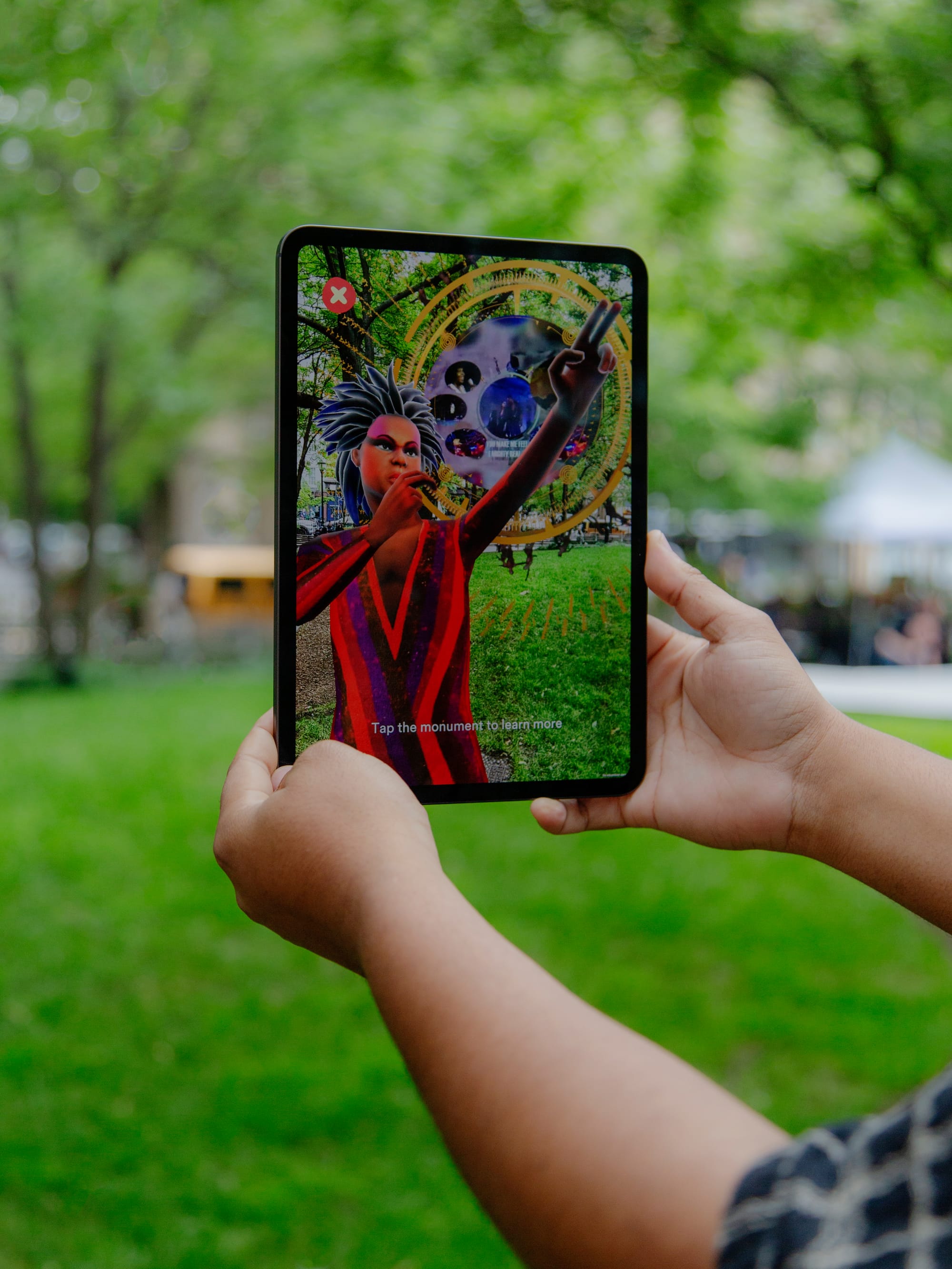
The NYC AIDS Memorial and its adjacent park honor the victims of the epidemic and the activists who fought against prejudice and inaction. This site of tribute and quiet reflection is also often activated through contemporary art commissions, most recently three “virtual monuments” by artists Derek Fordjour, Egyptt LaBeija & Tourmaline, and Jacolby Satterwhite, all centering Black and Brown figures and history. Download Kinfolk’s free augmented reality (AR) app to see them come to life onsite.
Molly Gochman’s Monuments to Motherhood
Prospect Park Alliance, Grand Army Plaza entrance, Prospect Park, Brooklyn
Through May 1
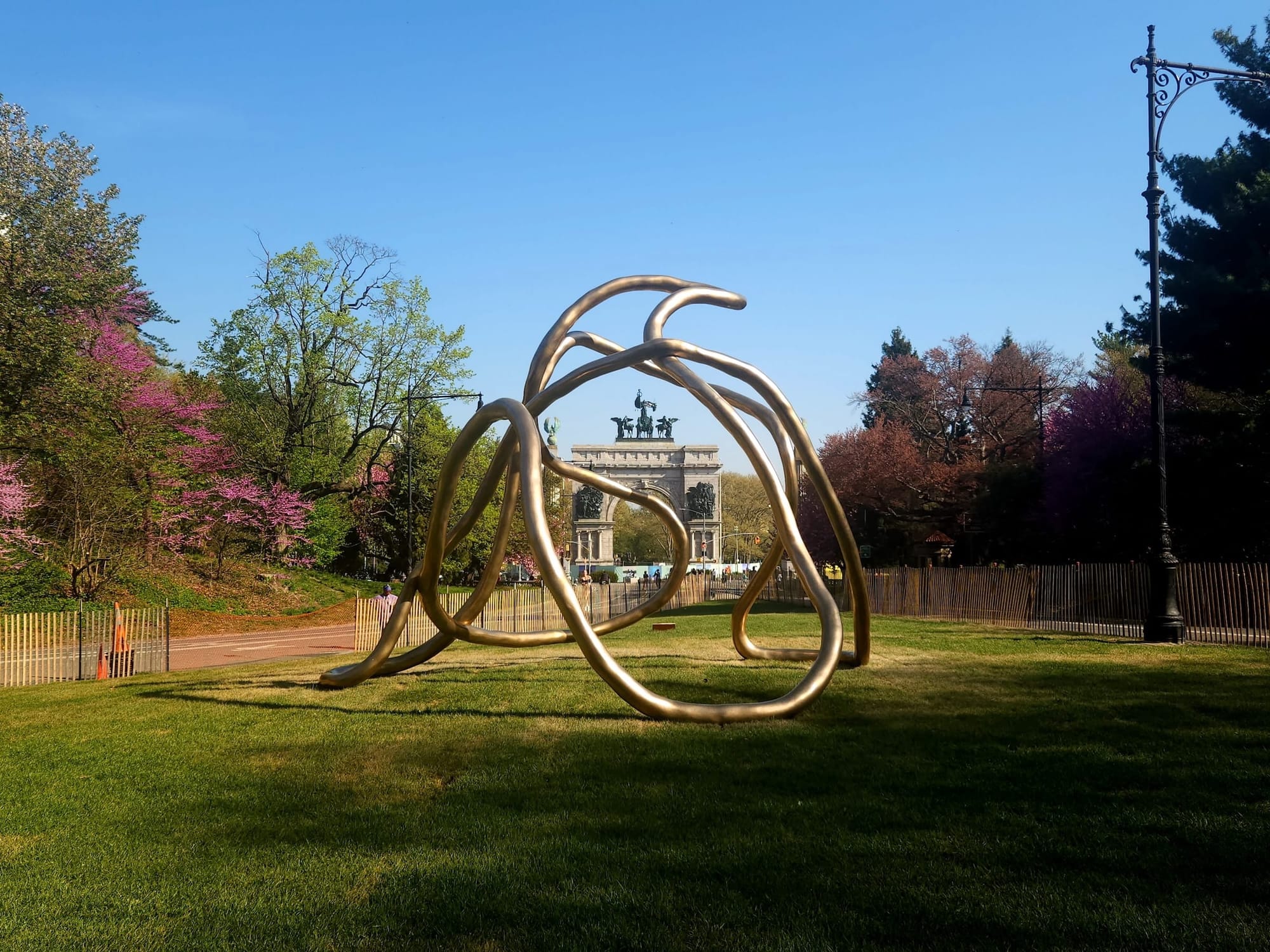
Molly Gochman’s enormous bronze sculpture of intertwining forms reimagines a medium often associated with historical monuments and evokes an embrace — an abstract representation of maternal labor and caregiving. Visitors are encouraged to immerse themselves in the negative space and interact with the sculpture.
Read Rhea Nayyar’s report
Monira Al Qadiri: First Sun
Public Art Fund, Doris C. Freedman Plaza, Central Park, Upper East Side, Manhattan
Through Aug. 2
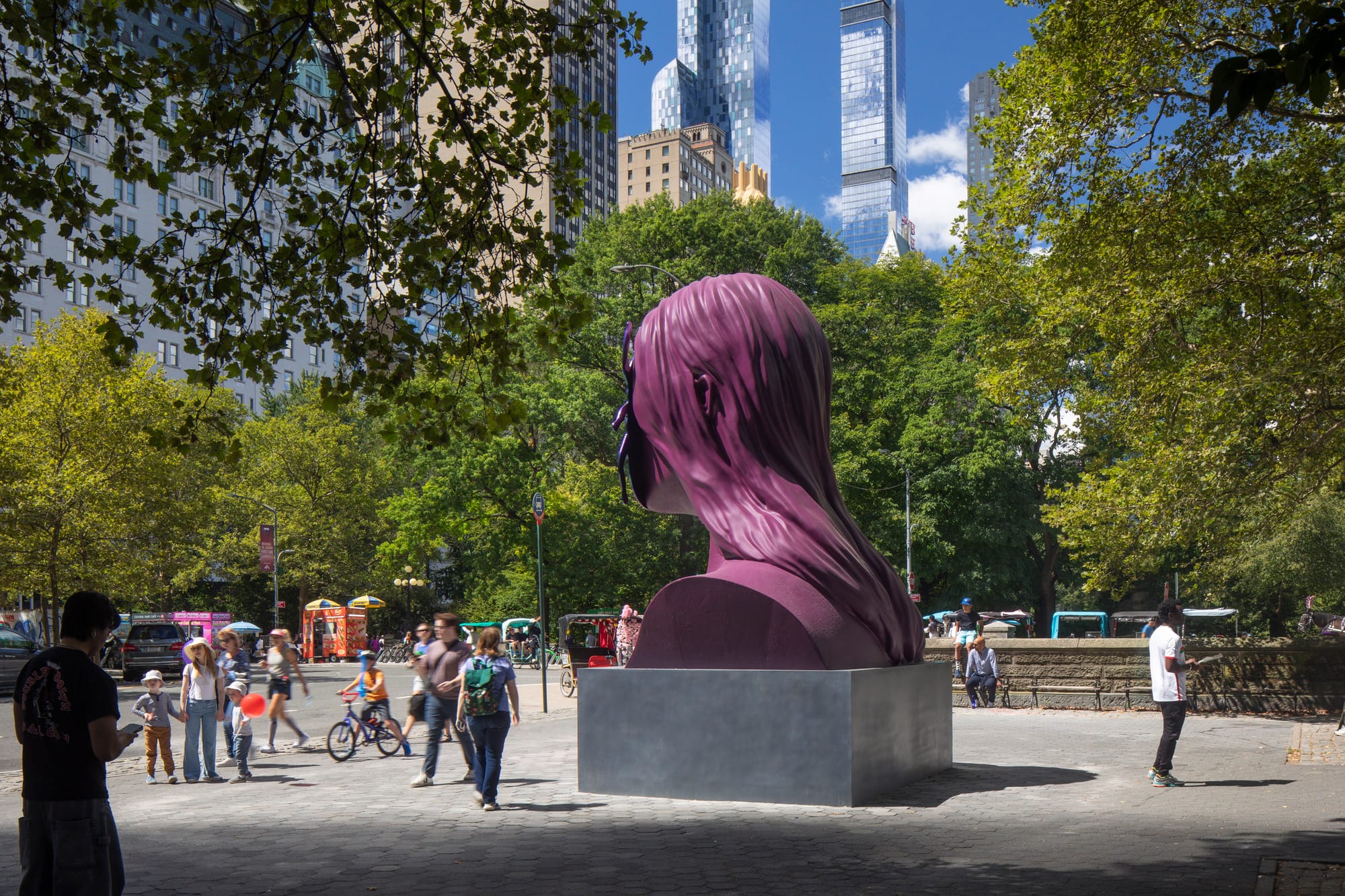
Kuwaiti artist Monira Al Qadiri’s monumental, iridescent sculpture invokes the form of Khepri, the scarab-faced ancient Egyptian god of the morning sun, who is also associated with creation and rebirth. Installed at the southeast entrance to Central Park, “First Sun” challenges people to consider, and even move toward, a world in which humans and animals — including insects — can achieve a balanced coexistence.
Graciela Cassel: Nature Through Kaleidoscopes
Bartow-Pell Mansion Museum, 895 Shore Road, Pelham Bay, Bronx
Through Sep. 26
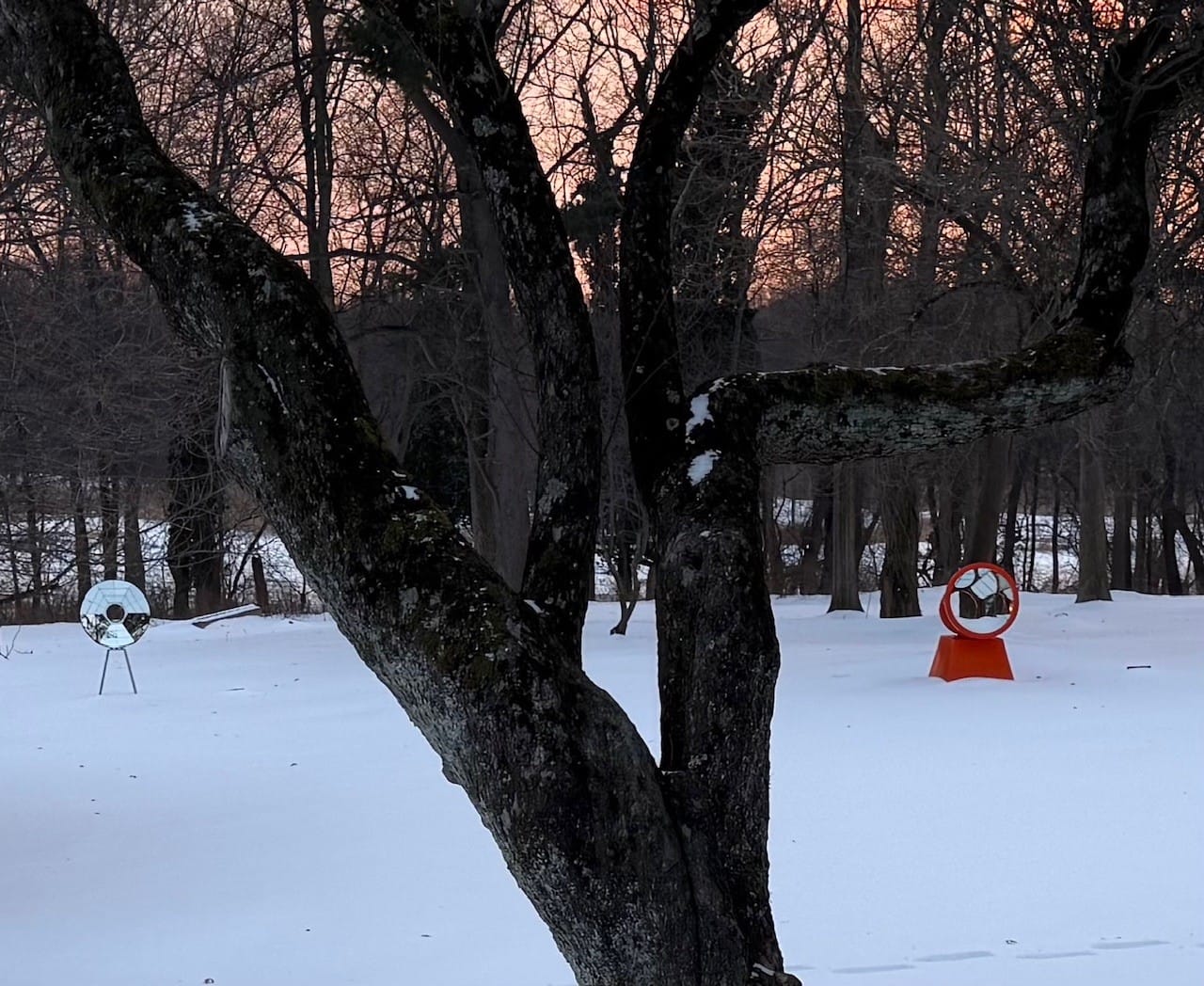
At this historic 19th-century manor house, two sculptures refract the landscape and craft it anew through steel, mirrors, and the visitor’s own gaze. Argentina-born artist Graciela Cassel offers these monumental kaleidoscopes as lenses through which we might refocus our perception of the natural world as it changes over the course of the show’s yearlong installation.
Works in Public 2025
Art Students League of New York, Riverside Park South at 61st Street, Upper West Side, and Riverside Park North at 145th Street, Hamilton Heights, Manhattan
Through Sept. 30
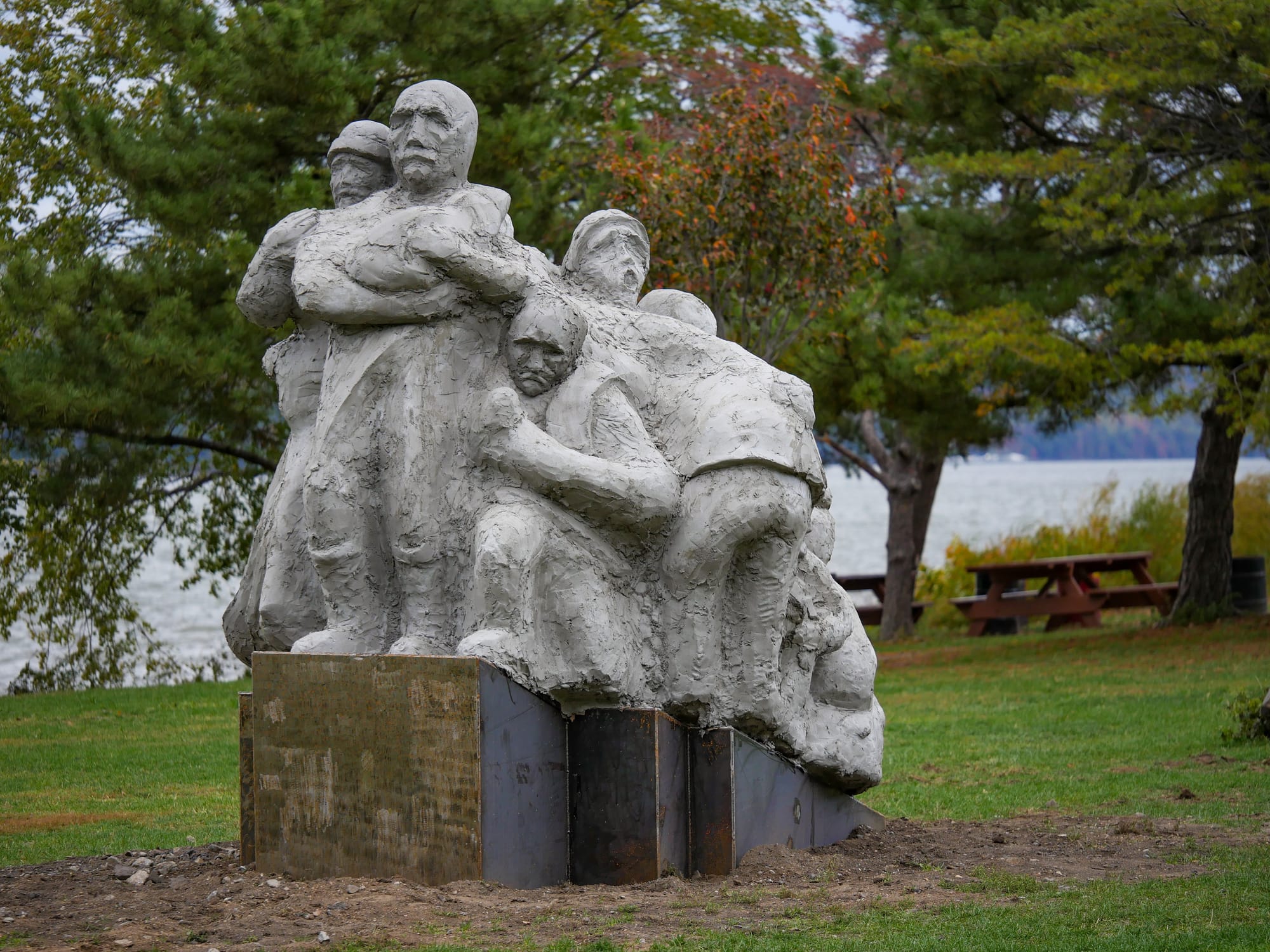
Four thought-provoking, site-specific sculptures by artists Jason McCormack, Montana Simone, Kenneth Doherty, and Aseel Sawalha rise from the grassy landscape of the Riverside Park waterfront. One especially timely work is Doherty’s “The Raft” (2025) at 145th Street, composed of concrete figures huddled as though shielding themselves from the rising tides of climate change.
Woody De Othello
Brooklyn Bridge Park, Brooklyn Heights, Brooklyn
May 5–March 8, 2027
This show of monumental new works and bronze sculptures, made between 2021 and 2025, marks the San Francisco-based ceramicist and painter’s first major outdoor art exhibition in New York City. The pieces on view incorporate body parts and everyday objects to reimagine nkisi — Kongo ritual objects that are often inhabited by spirits and protective energy.
Tuan Andrew Nguyen: The Light that Shines Through the Universe
High Line, Chelsea, Manhattan
Spring 2026–Fall 2027
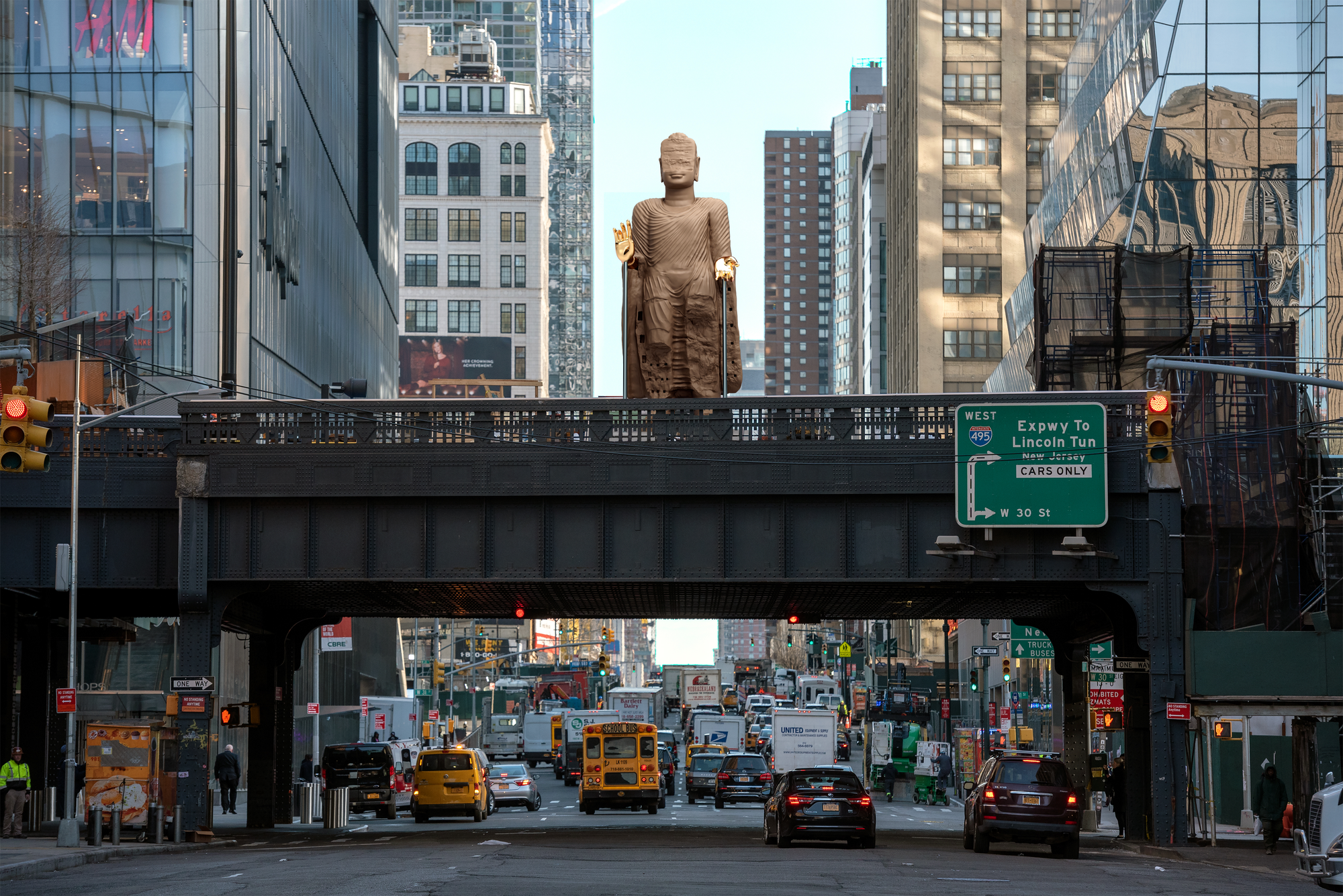
Tuan Andrew Nguyen’s commission for the High Line pays homage to cultural loss and spiritual persistence through a 30-foot sandstone Buddha. The sculpture is a reference to two sixth-century statues in Afghanistan that were destroyed by the Taliban in 2001. In Nguyen’s reimagining, the statue stands tall, a symbol of resilience in the face of loss.