


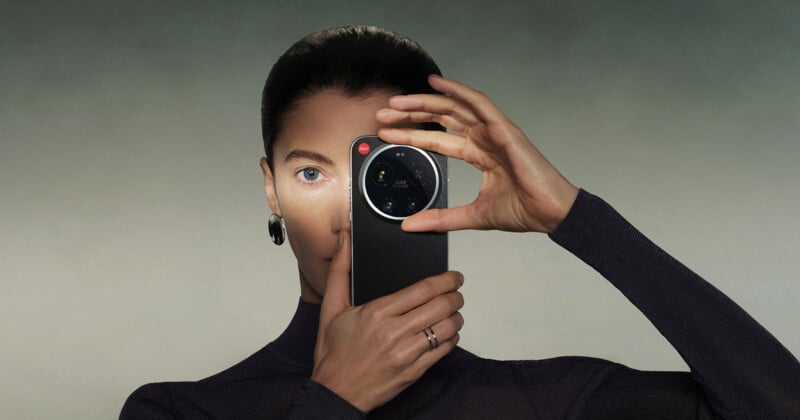
Leica has had smartphones before, like the Leitz Phone 1 and Leitz Phone 2, but they were both manufactured by Sharp and exclusive to Japan. Leica has switched things up for its newest Leitzphone, working closely with Chinese company Xiaomi and bringing the Leitzphone global. Well, mostly. Americans will be forced to import the device, as is par for the course with most Chinese phones.
At its core, the new Leica Leitzphone is the Xiaomi 17 Ultra, Xiaomi’s flagship smartphone co-engineered with Leica. There is significant crossover between the two smartphones in terms of overall features, but the Leica-fied Leitzphone takes the Xiaomi 17 Ultra’s well-placed photography obsession even further.
“The Leitzphone reflects how we see the evolution of photography today,” says Matthias Harsch, CEO of Leica Camera AG. “It brings out design principles, imaging expertise, and photographic intent into everyday moments, while remaining true to the passion that has defined Leica for generations.”
Mobile imaging is a very important focus for Leica, and has been for years, and the Leitzphone reflects the company’s interest in mobile photography as well as any product before it.
“With the Leitzphone, Leica translates this commitment into a device designed for everyday use. It reflects a belief that photography today happens across contexts — sometimes with a camera, sometimes in the immediacy of a mobile moment — and that each situation deserves the same dedication to image quality, intent, and authenticity,” Leica explains.
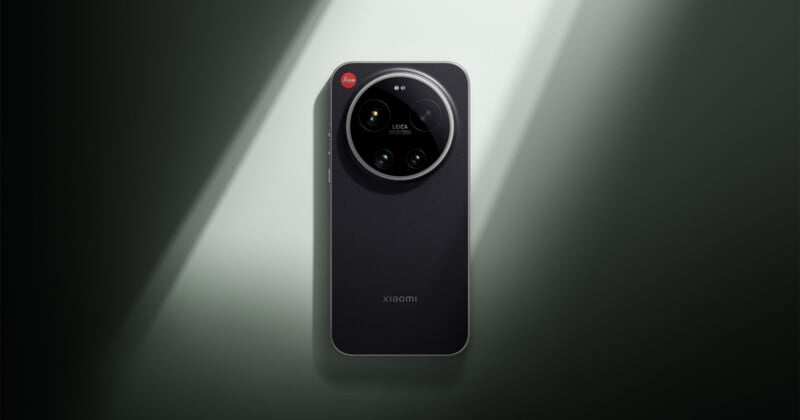
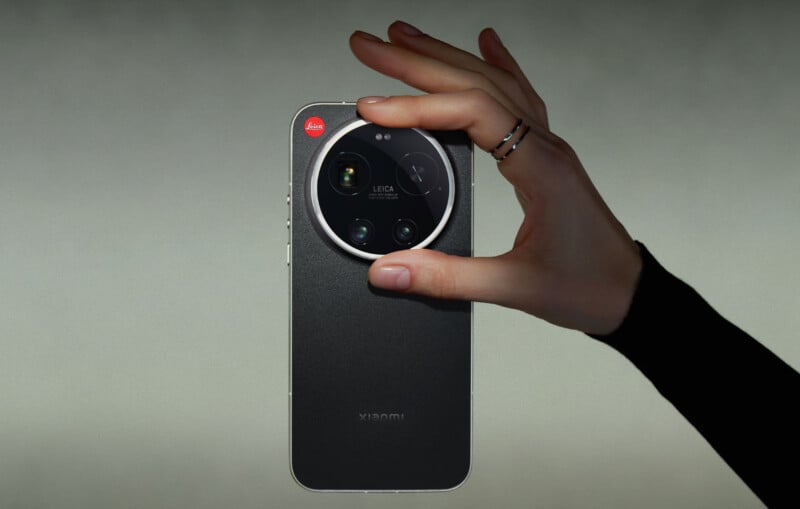
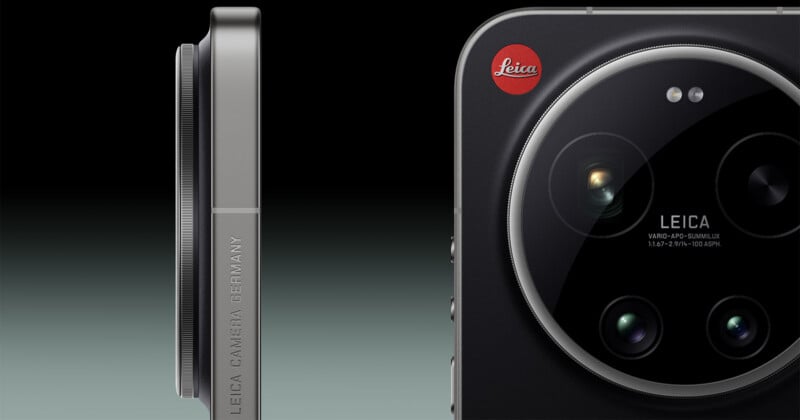
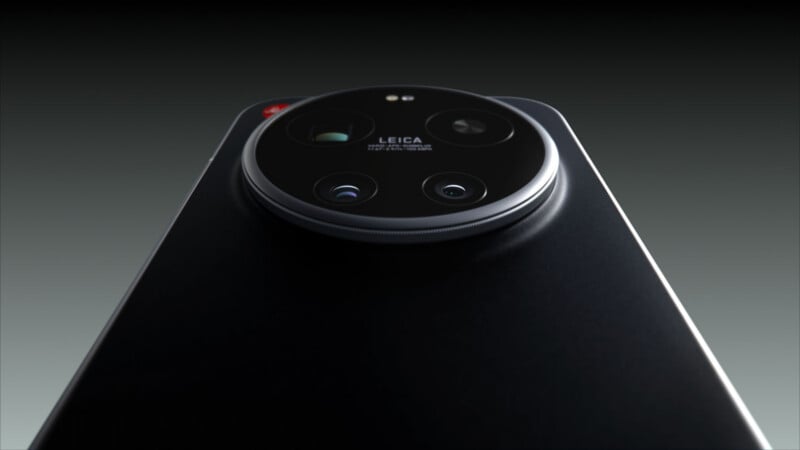
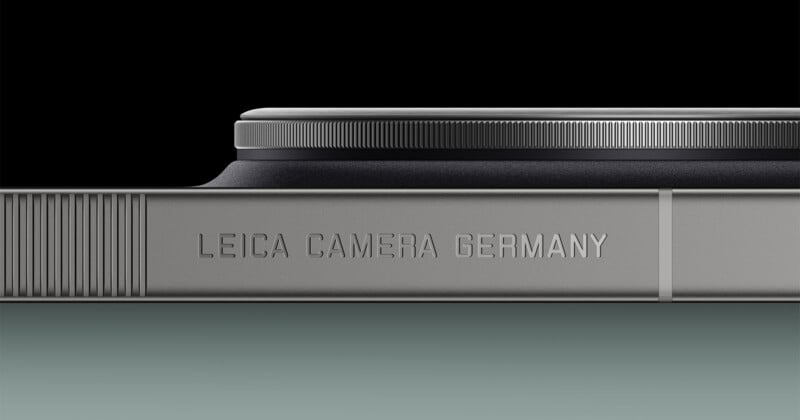
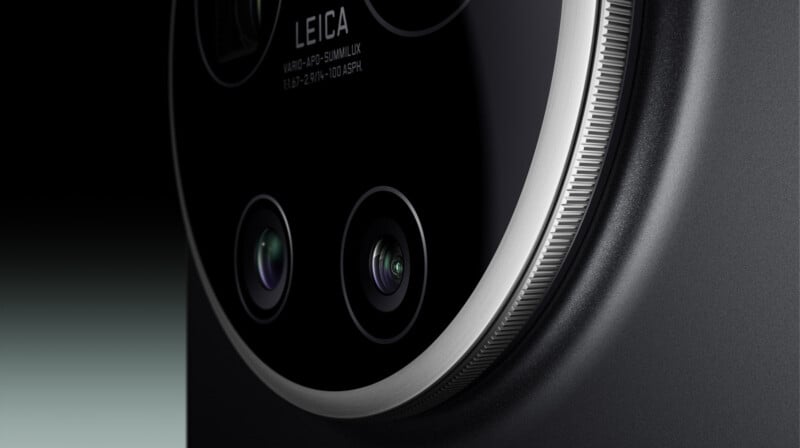
Designed by Leica, the Leica Leitzphone follows the company’s principle to reduce a device to its core essentials. It features a black fiberglass rear panel with a knurled metal frame, akin to Leica lenses, and the company believes it looks (and feels) “unmistakably Leica.” As expected, it even sports Leica’s iconic red dot logo.
Besides the different look, the Leitzphone also differs from the Xiaomi 17 Ultra in terms of its camera experience. The cameras themselves are the same, including the Leica triple-camera system headlined by a 50-megapixel Type 1 LOFIC image sensor, 200-megapixel Type 1/1.4 telephoto camera with a Leica APO 75-100mm lens, and a 50-megapixel Leica ultrawide camera.
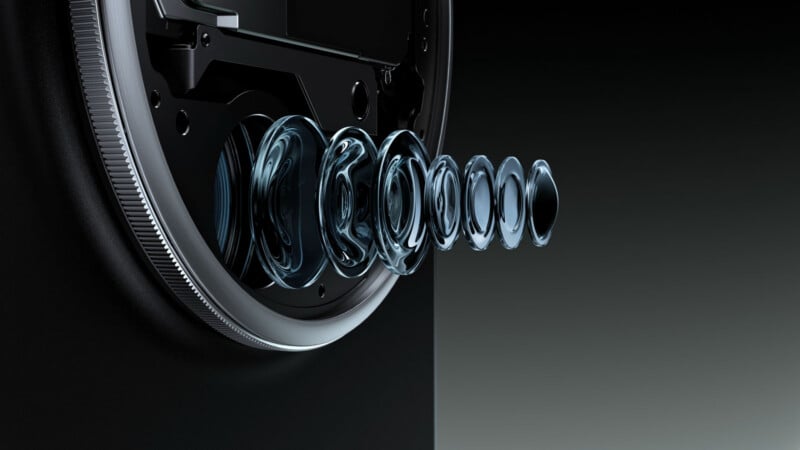
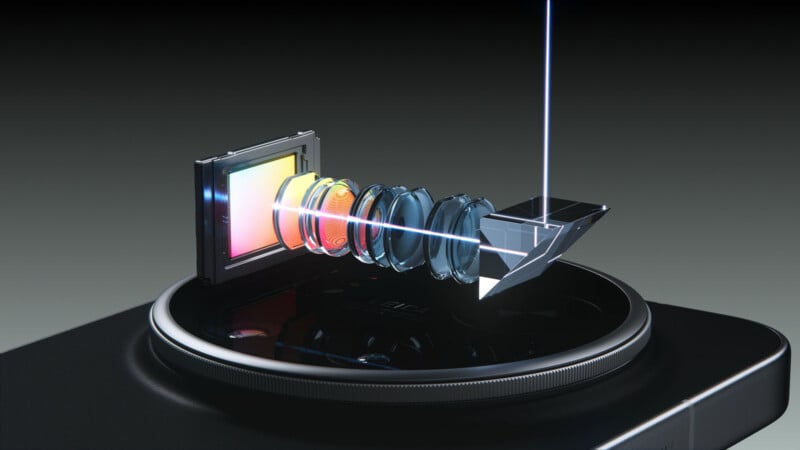
However, surrounding the circular rear Leica camera system is a customizable mechanical camera ring. This feature, absent from the Xiaomi 17 Ultra, lets the user control key photography settings, including zoom, exposure value, ISO, and shutter speed. It can also be used to swap between the different lenses (focal lengths, as Leica puts it) and the built-in Leica Looks.

While there are Leica image styles in the standard Xiaomi 17 Ultra, the Leitzphone offers even more. Beyond its Leica-designed UI/UX and home screen, the Leitzphone features 13 integrated Leica Looks, five Leica bokeh simulations based on famous Leica lenses, and photo-centric widgets.
There is also a dedicated Leica Essential Mode that strips the phone down even further and puts the focus squarely on mobile photography, including a Leica M9-inspired color profile and a monochrome profile based on Leica Monopan film.
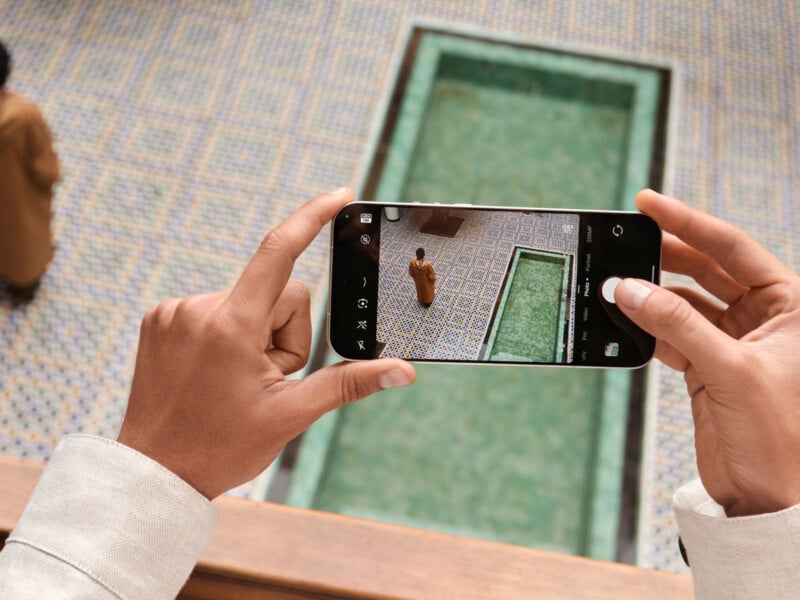
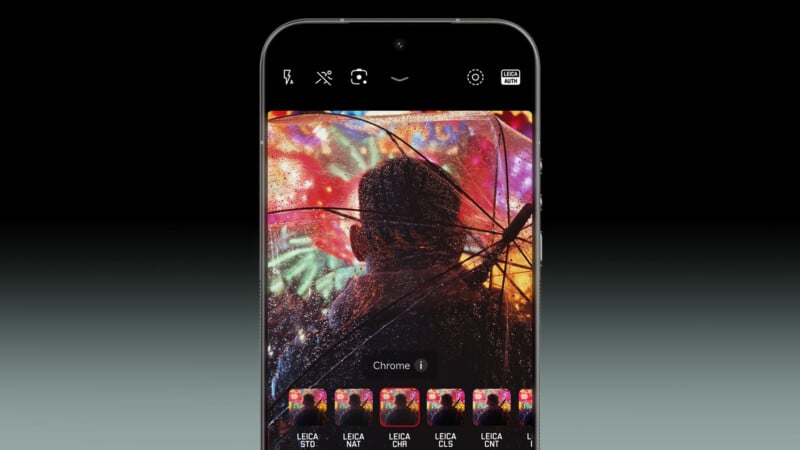
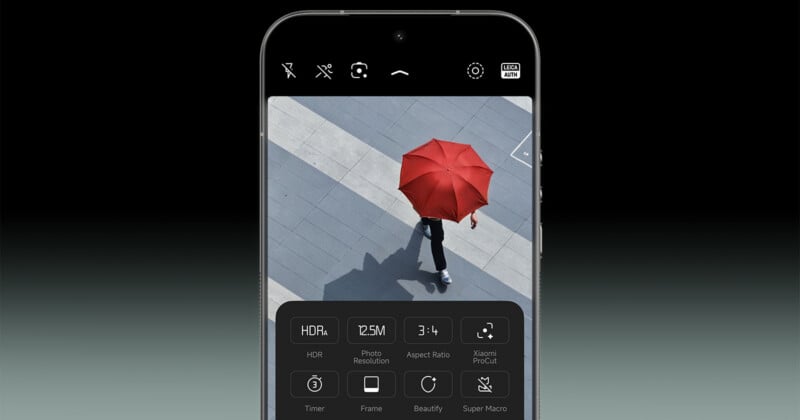
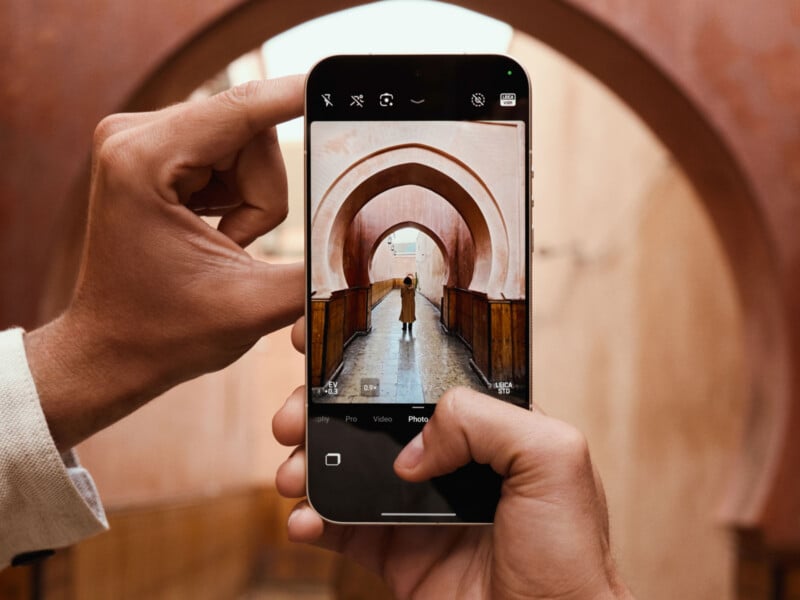
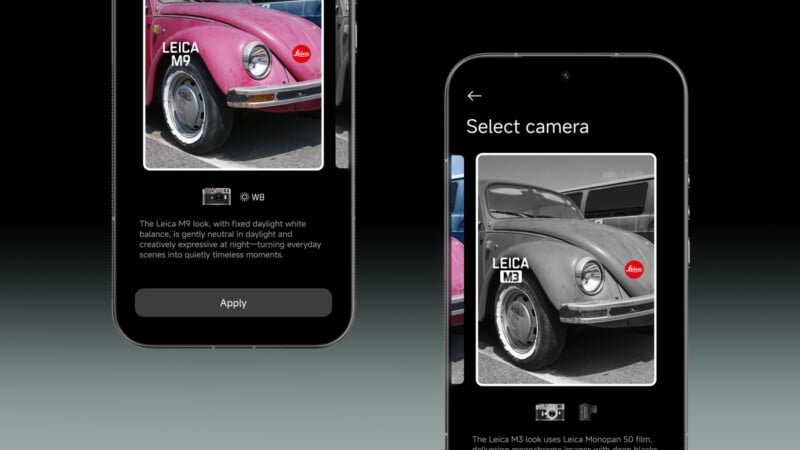
“Leica has contributed its optical expertise, color science, and imaging philosophy, while Xiaomi has provided a powerful mobile platform that enables high-performance processing and efficient workflows. The result is a photographic experience defined by tonal depth, natural color reproduction, and visual coherence,” Leica continues.
The Leica Leitzphone, like many of Leica’s recent dedicated cameras, incorporate C2PA standards and supports the Content Authenticity Initiative (CAI), which is of growing importance as smartphones include even more AI features.
Pricing and Availability
Leica says the Leitzphone powered by Xiaomi will be available starting today through the official Leica website, Leica Stores, and through select retail partners. The company did not specify a price, as it will vary by region. The Leica Leitzphone will not be available in the United States, although those who choose to import the phone should be able to use it normally.
Image credits: Leica