

The Australian Dream, to own one’s own quarter-acre block complete with picturebook home, verdant garden and Hills Hoist rotary clothesline, has shifted in recent years. But the desire to own one’s own residence, their “Castle” to paraphrase the hit 1997 Australian cult film of the same name, remains a national ambition. In the country’s most populous state, New South Wales, its legislators have drawn from a 16th-century tradition to make it a possibility. It has launched its own pattern book – an architectural guide containing standardised designs, details and floor plans. The idea has its roots in the Renaissance, when the likes of Andrea Palladio produced sets of standardised classical design principles for easy construction. It’s an approach to building that has remained relevant, even in mid-20th-century Australia, when firms such as Pettitt+ Sevitt provided a collection of designs for homes.
Now, the New South Wales government is using it to fast-track housing developments to buy and rent in one of the world’s most expensive cities – Sydney. Simply called the NSW Housing Pattern Book, it’s a collection of award-winning home designs for low and mid-rise residences that can be approved within 10 days. Launched in 2025, following a competition for Australian and New Zealand entrants, it endorses eight terrace, townhouse and manor-house designs that potential homebuyers can purchase for AU$1,000 (€574) each – with a special AU$1 price until the end of this month. Typically, architectural home designs are estimated to be at least AU$20,000 (€11,515). In late 2025, a further nine patterns were added, providing plans for apartments of three to six storeys across small and large lots.
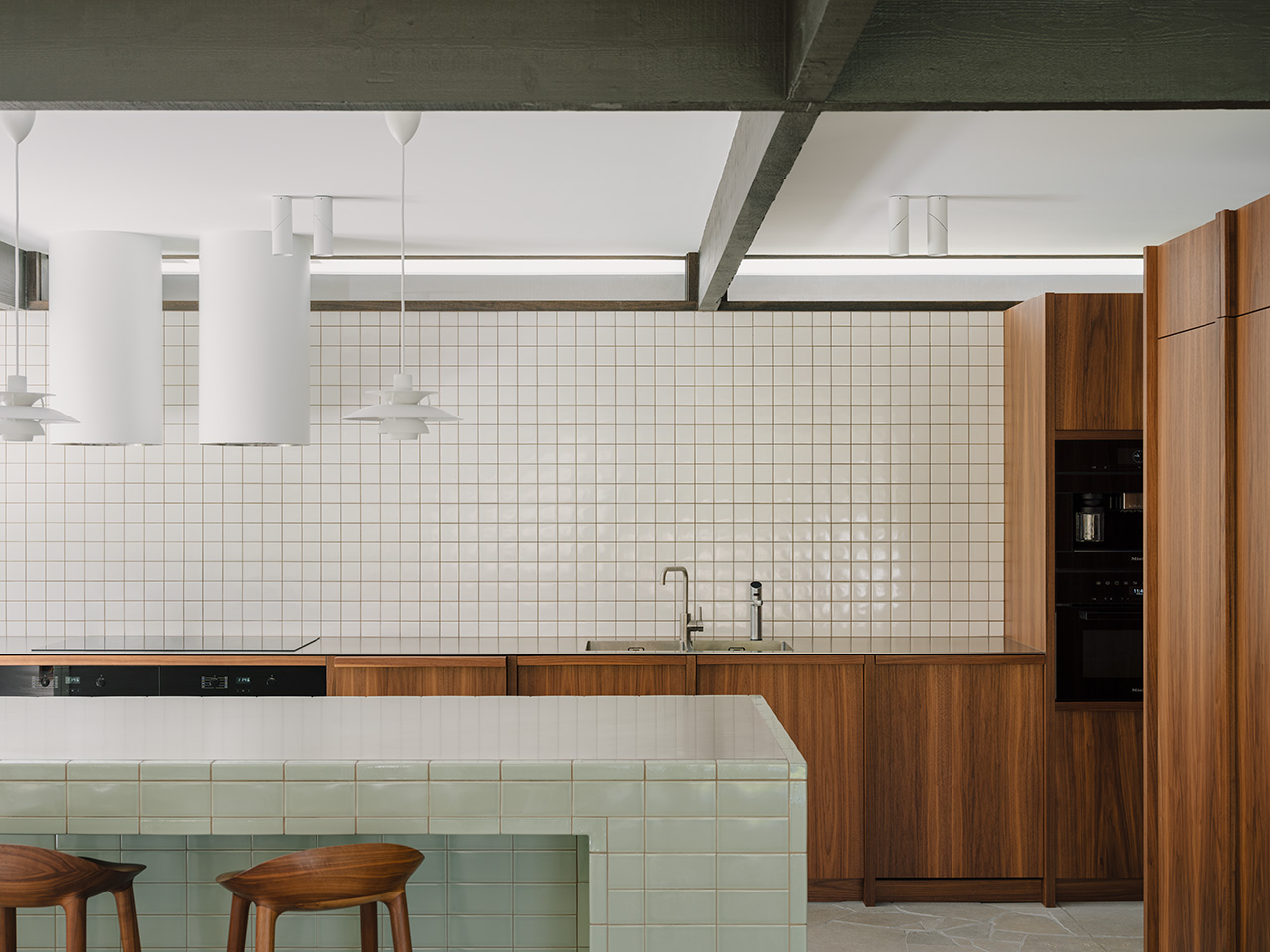
The government hopes that the move will make quality architecture accessible to more people. “The pattern book offers practical and sustainable designs that can be adapted to suit many neighbourhoods, positively contributing to the character of a street,” says NSW government architect Abbie Galvin. “We are making it quicker and easier to build new low-rise homes that offer housing diversity for the whole community.” The project includes designs by Andrew Burges, Collins and Turner, Neeson Murcutt Neille, Spacecraft Architects and Nguluway Design Inc.
Sceptics, including some architects, are wary of the true cost of materials and whether the plans will encourage a generic approach to design for diverse communities and landscapes in New South Wales, not to mention reduced avenues for public feedback and local council approvals. Others also doubt that these developments will genuinely reduce high real-estate prices in the state.
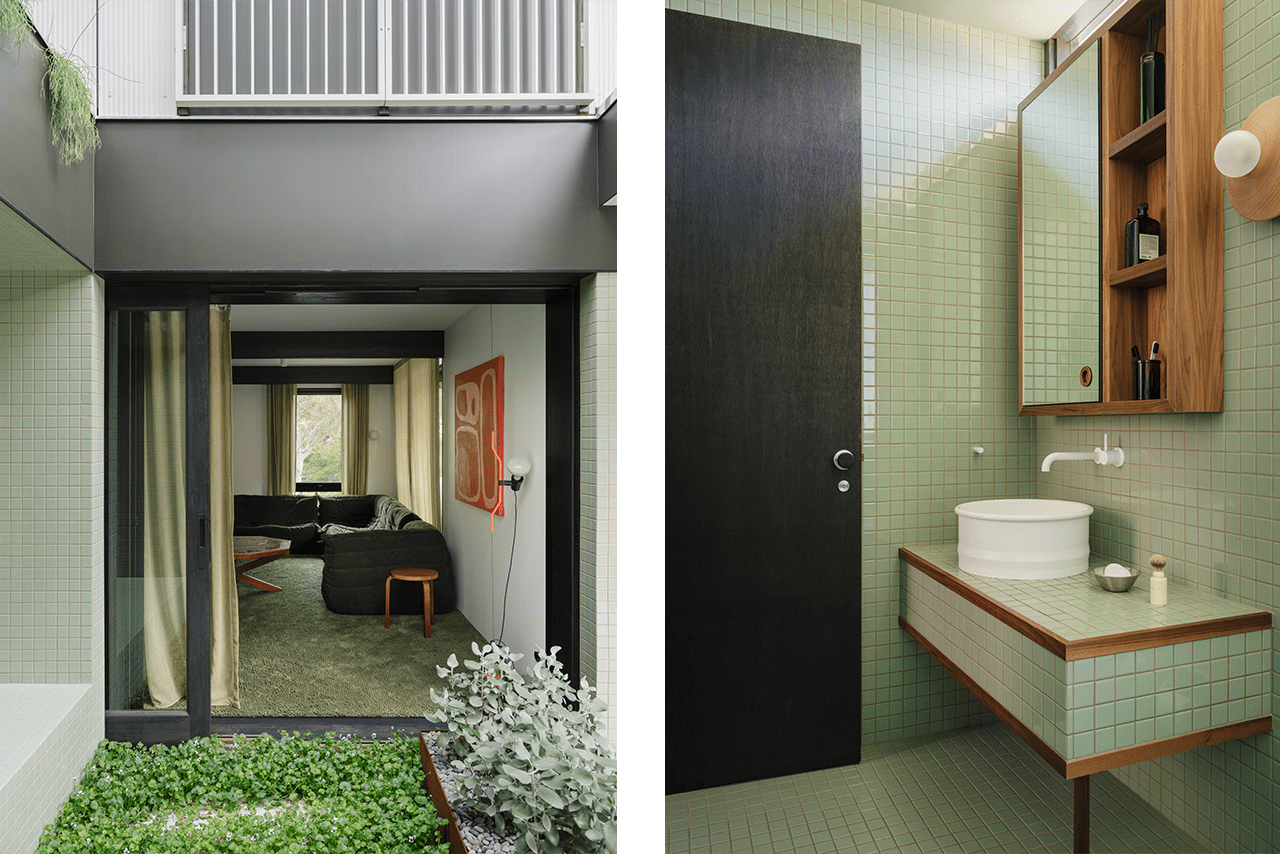
But those in favour have their eye on faster approvals, inherent sustainability qualities and lower costs. And there is reason to be optimistic – there’s a long tradition of pattern books delivering buildings with a strong architectural perspective that communities rally around, from the Renaissance to Pettitt+ Sevitt. Many of these are still revered as “castles” in their own right. Here’s hoping the same might be true for this latest set.
Cat Woods is an Australian journalist and contributor to Monocle. To read about how Australia is revitalising its lanes and alleyways, click here