

A photography niche can feel like the whole game, like you need to pick one lane and lock it in fast. The problem is that a tidy label can push you away from the work you actually want to make, and it can make the business side feel brittle.
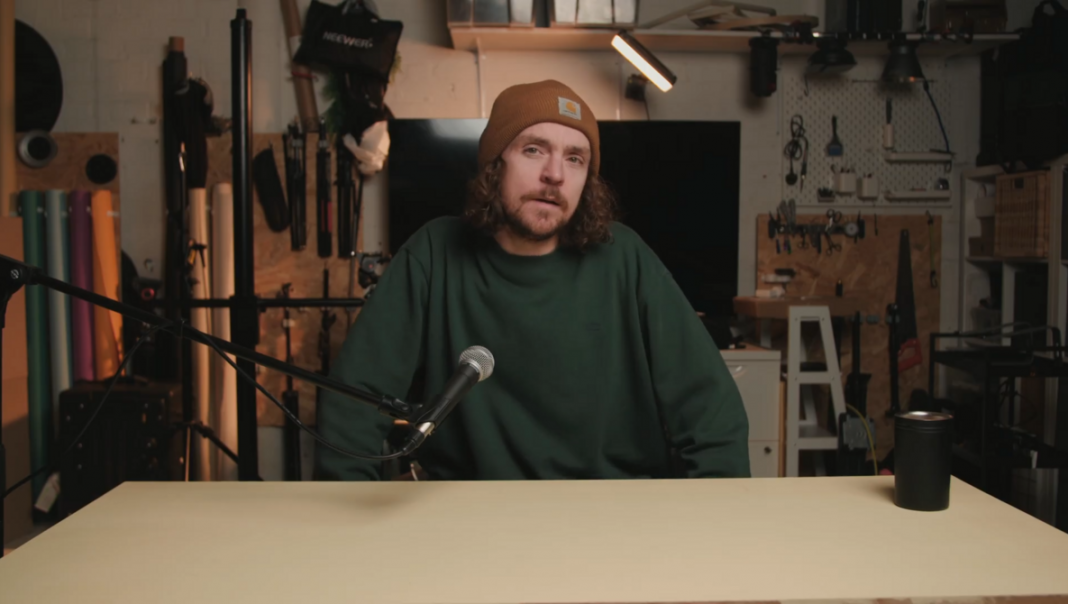
Coming to you from Sean McCrossan of When Will I Learn, this reflective video argues that “finding your niche” is often less useful than figuring out what you genuinely love doing. Not the thing that gets likes, not the thing that paid once, but the thing you keep circling back to when nobody is watching. McCrossan frames it as a need, almost a compulsion, and he separates that need from the tool you use. The tool might be stills today, video tomorrow, or both in the same week. If you’ve been forcing yourself into a category because it seems easier to market, this reframing lands like a small relief.
McCrossan gets oddly specific about his own “why,” and that specificity is the point. He describes his drive as plain curiosity, the urge to ask questions and to get access to places and moments where questions are allowed. That shows up in documentary work, where the questions are literal, but he also connects it to still photography as a different kind of output. One part is going out into the world and collecting stories, the other part is returning with those impressions and turning them into images that carry a mood. If you’ve been stuck choosing between “being a stills person” and “being a video person,” his split helps you stop treating it like a breakup.
The video also touches his path through different kinds of paid work, and it’s not the clean ladder people usually sell. He talks about weddings as a strange gift of closeness, a chance to be present for moments that are private but shared. He links that to food, then to product work, and he explains how one assignment quietly leads to the next when you pay attention to what you’re drawn to. There’s also a thread about using photography as “a way into the room,” which matters if you’ve been wondering why certain jobs energize you even when the deliverables feel routine. You start seeing your career less as a brand statement and more as a trail of clues.
Where it gets practical is his taste for wear, age, and imperfection, and how that preference can guide the choices you make on set and in post. He points out how often product images chase sterile perfection, and how easy it is to sand away the humanity that makes something feel real. He’s not saying to skip retouching or ignore client needs, he’s talking about what you keep versus what you erase. He brings up architecture as a subject that almost forces “lived-in” details into the frame, even when the building is new, because time and labor are baked into it. If your portfolio feels technically fine but emotionally flat, that idea of “keep the evidence” can change what you notice in a scene, what you leave in, and what you stop apologizing for. Check out the video above for the full rundown from McCrossan.