
You keep running into the same wall: the bird is small in the frame, and the choice turns into a crop that feels thin or a teleconverter that might cost light and focus speed. This video breaks down when a 1.4x teleconverter beats cropping and when cropping is the smarter move if you care about detail and print-ready files.
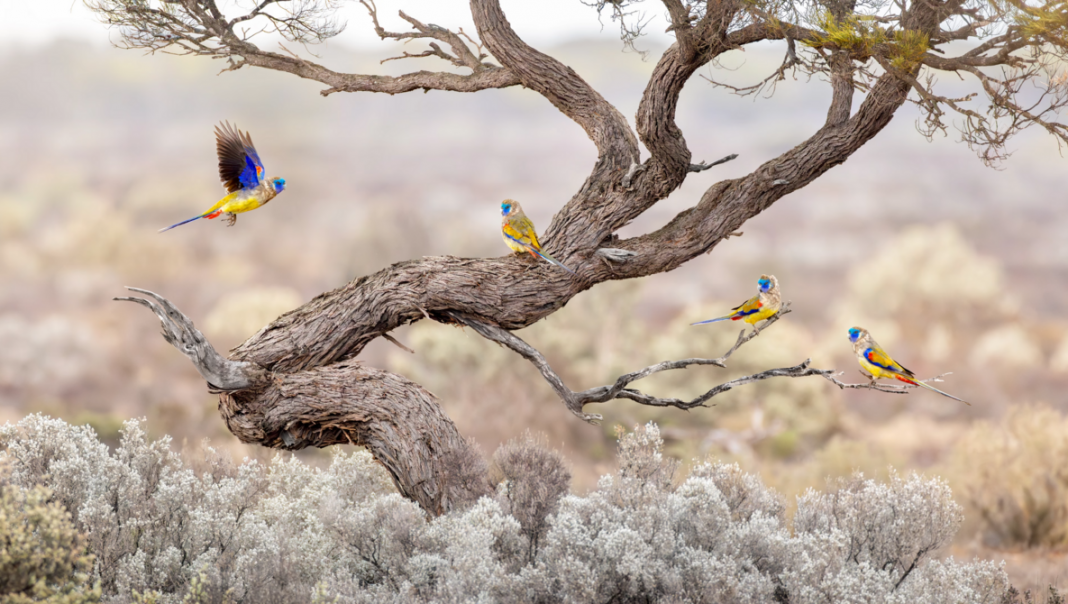
Coming to you from Jan Wegener, this practical video starts with a field-first way to decide where to use a 1.4x teleconverter, not a gear-first one. Wegener says he judges subject size in the viewfinder instead of obsessing over focal length. He uses a simple cutoff: if the subject is under about 20% to 25% of the frame height, a heavy crop tends to look weak. At that point, you are not “zooming” so much as enlarging pixels, and the fine detail that looked sharp at capture can turn soft and noisy. He shows why a smaller subject can look acceptable at capture but fall apart once you try to make it the hero in the final frame.
He also pushes back on the reflex to always fill the frame, even when you can. Wegener points out that tighter isn’t automatically better, especially when the wider scene adds context or when multiple subjects make the moment. He gives an example where stepping back beats forcing a tight portrait, even though a 2x teleconverter could have made the subject larger. If the background is messy, tightening up can help isolate the subject, but he treats that as a compositional call before it becomes a reach problem. His “move closer first” preference is blunt: a bare lens at a closer distance usually gives the cleanest result compared to adding glass.
Once he gets into teleconverter tradeoffs, the advice gets more specific and more useful. He recommends teleconverters mainly in good light, since you lose light and often end up stopping down another stop for better sharpness. That combo can push shutter speed down and ISO up, right when you are trying to freeze motion. He’s clear about lens choice too: a sharp prime takes a teleconverter better than many older, slower zooms, and he calls out a 600mm prime lens as the kind of base lens that can handle the hit with less drama. For newer zooms, he lists models that can pair well with a 1.4x in the right conditions, including the Sony FE 400-800mm f/6.3-8 G OSS, Sony FE 200-600mm f/5.6-6.3 G OSS, NIKKOR Z 180-600mm f/5.6-6.3 VR, Canon RF 100-500mm f/4.5-7.1L IS USM, and Canon RF 200-800mm f/6.3-9 IS USM. He draws a line at 2x on many zooms, and he explains why without turning it into brand drama.
The part that will probably change how you shoot is his “too big” rule. When the subject takes up more than roughly 50% to 60% of the frame height, you can trap yourself. A wing lift, a second bird entering, a quick interaction, and suddenly the moment you wanted is clipped. Depth of field also gets touchier as you fill the frame, especially with faster primes, and getting multiple birds sharp becomes a lot harder. Wegener’s workaround is not to chase maximum magnification but to aim for a subject size range that keeps you flexible, then crop later if the file supports it, and he gives his preferred pixel targets and sensor-resolution context in a way that makes you rethink what “enough reach” actually is. Check out the video above for the full rundown from Wegener.