
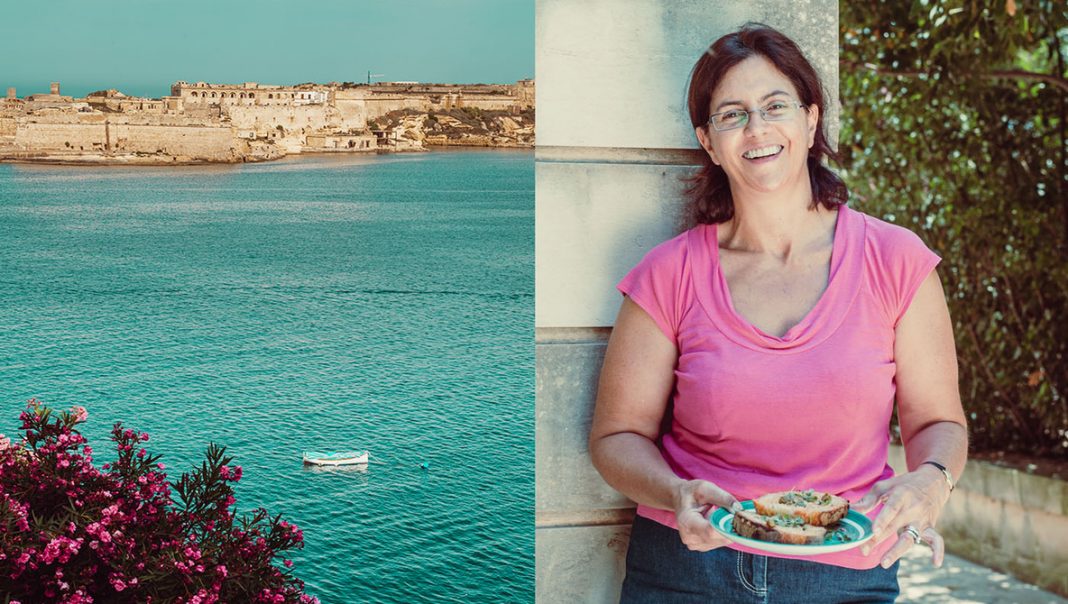

One of the most enjoyable genres of photography is travel photography. Who doesn’t love to travel to interesting and exotic foreign destinations and wander around with a camera? It’s great to return home with a collection of images that capture your adventure—images you can show people that give them an idea of where you visited and what you experienced.
There is, however, a mistake that most travel photography enthusiasts make. They focus on the landmarks and the popular Instagrammable spots. But in doing so, they fail to really capture the true essence of a place. They fail to capture the culture.
When you look at the very best travel photography—images that truly transport you somewhere—you’ll notice the most meaningful photos are not of buildings, monuments, or landscapes. They’re of people.
Landmarks Show You Where You Are, People Show You What the Place Is About
When I was starting out pursuing my love of travel and photography, I failed to realize this at first. I returned from a trip with a wonderful set of images. Many of the photos were of the classic views, shot in low light and looking gorgeous. But when I looked at travel photography stock image libraries, I realized all my lovely images looked the same as thousands of other lovely images that had already been shot many times over. There’s nothing wrong with that, of course, unless you want your images to stand out and maybe sell them to brands and publications. Which I did. So what could I do to achieve this? How could I create a set of unique photos? I didn’t have an answer.
I love watching travel series like Michael Palin’s Around the World in 80 Days and Rick Stein’s Long Weekends.Amazon+1 One day I was watching a Rick Stein episode, and I had a eureka moment. He was always seeking out locals wherever he visited and interviewing them: a baker who makes a local delicacy, an artist using traditional techniques, a chef working with local food suppliers—everything was written around a few people from that destination and told their stories. That’s what made these shows interesting: the people and their stories.
How could I have overlooked the most important element of any destination—the locals? The people who live there, work there, make things there, and carry the traditions forward. They are the heartbeat of a place. And without them, your visual story is incomplete.
Most travelers return home with the same collection of images: a cathedral, a skyline, a famous viewpoint. It’s nice to shoot your own version of these popular views—but the truth is they are interchangeable with thousands of nearly identical photos taken by millions of others.
As soon as you add a street vendor, a baker making traditional food, a group of elderly men playing dominoes under a tree—then the place comes alive and has meaning. Culture isn’t found in the architecture; that’s just the backdrop providing the supporting role to what’s really important: the people.
Here I was, returning home from fabulous trips, without photos of the people. I captured the scenery just like everyone else does, but missed the story.
My Approach To Photographing People
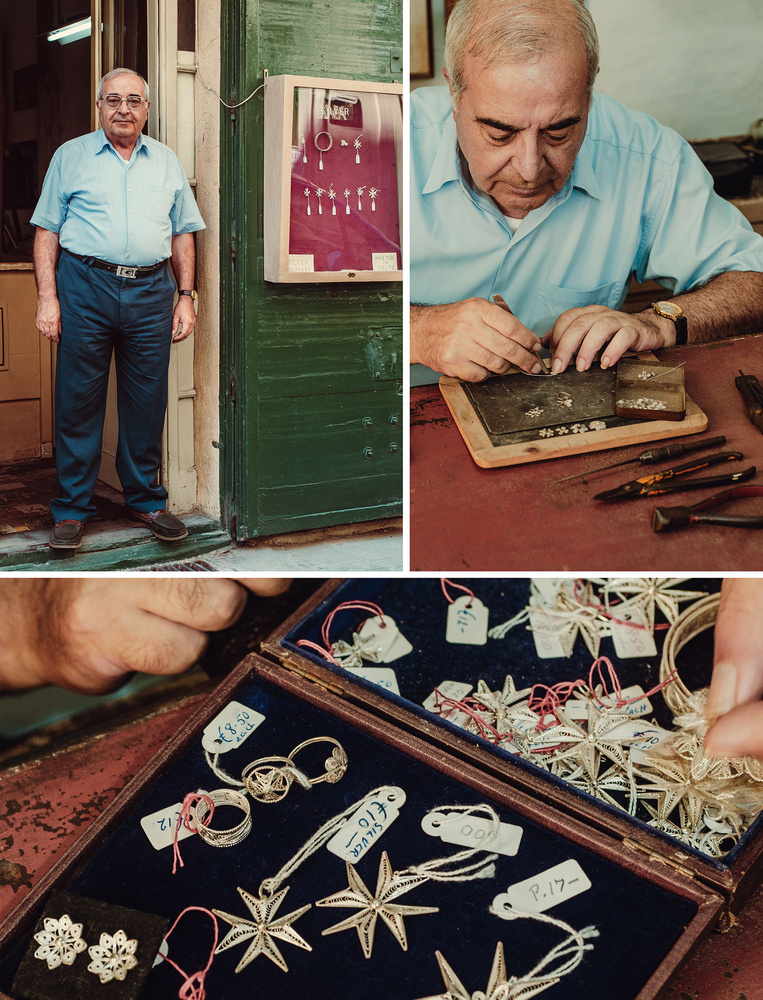
When I started working for publications, I was sent to a destination with a shot list, which of course included the typical classic views, buildings, architectural details, and local food and crafts. But there were always three or four people whom I needed to meet and photograph. Some of these people had already been identified and contacted before I traveled to book a meeting. Others I had to seek out while I was there. Either way, my brief was to tell their story through a series of images. And this is something I do to this day, even if I’m shooting for myself, as a personal project.
The shoot goes something like this:
A photo of that person working
A detail of what they’re making or doing
An environmental portrait of them to show where they work and provide context
An external photo if they work from a store or studio
The idea is to shoot a series of images to tell a story, because it’s far more effective than shooting just one photo. However, if I can only shoot one photo of someone, the preference is always an environmental portrait to show context.
Human stories add depth and emotion to a destination, something landscape and architectural photos cannot do.
How to Photograph Locals Respectfully
You don’t need to stage anything. You don’t need elaborate setups. Just simple, human interaction.
The most important thing is to be genuinely interested in what someone is doing, and show it. Ask questions. If they don’t speak your language, a smile and gestures go a long way.
If you’re connecting with a street vendor, buy a piece of their fruit. In a small bakery, buy their baked goods. Compliment them.
Be patient; don’t make it all about you and your photos. Let the moments genuinely unfold.
The absolute worst thing you can do is stick a camera in someone’s face without asking. It’s rude, and without a genuine connection, the photo won’t be nearly as good as it would if you’d only made some effort and shown kindness.
The Final Piece of the Puzzle
Think of travel photography as a jigsaw puzzle. The landscapes, buildings, and monuments are the border pieces—they frame the story. But the people are the central pieces that complete the picture.
If you truly want to capture the essence of a destination—not just what it looks like, but what it feels like—you must photograph the locals. They are the culture. They are the history. They are the living, breathing essence of the place you’re so excited to explore.
Great travel photography isn’t just about where you go; it’s about who you meet along the way.
I made a video where I share more details and photos, if this is something that interests you.