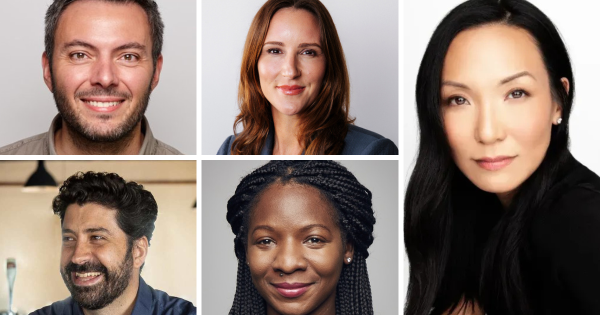

Marcel Marcondes, Global CMO, AB InBev

Over the last 18 months, Marcondes has flipped AB InBev’s marketing model to put a “disproportionate” amount of spend behind its master brands and double down on culture-first marketing.
In 2025, that strategy gained momentum. Combined, Budweiser, Corona, Stella Artois, and Michelob Ultra now represent around 57% of the brewer’s revenue and account for 8 of the top 10 most valuable beer brands in the world, per Kantar. Megabrand revenues were up 3% in Q3, driving AB InBev’s overall 0.9% growth.
In 2026, some of the brewer’s brands are poised to go big for Super Bowl 60 (though it has not officially revealed its plans yet). The company is also a FIFA 26 World Cup sponsor and the official beer partner of the Winter Olympics, the VMAs, and the Grammys.
The coming year will also see AB InBev integrate beers such as Bud Light and Stella into Netflix shows like The Gentlemen. This collaboration will extend off-screen to packs, too, as part of a historic multi-year partnership between the two brands designed to reach audiences increasingly resistant to traditional ads.
The next 12 months are shaping up to be spectacularly busy for the business, and Marcondes will be tasked with ensuring AB InBev’s master brands are top of mind in culture and on shelves around the world.
Manu Orssaud, CMO, Duolingo

When Duolingo declared itself “AI-first” in April, the move signaled a structural shift in how the company approaches product, content, and marketing. It also invited scrutiny.
A subsequent memo from CEO Luis von Ahn linking hiring to AI capacity sparked backlash and raised questions about humans’ role in the brand’s future.
In September, Duolingo confirmed its AI investments hadn’t led to any full-time employees being laid off. Instead, AI is boosting human productivity, von Ahn said at Fast Company’s Innovation Festival.